AC1.1 Write-Up
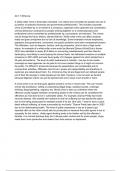
A white-collar crime is financially motivated, non-violent and committed by people who are in
a position of authority (business and government professionals). This includes corporate
crime (Committed by or on behalf of a company), organised crime (planned and coordinated
criminal behaviour conducted by people working together on a continuing basis) and
professional crime (committed by professionals eg. accountants, and doctors). The crimes
can be things like fraud, bribery, identity theft etc. White-collar crime can affect anybody
really and goes unreported due to lack of knowledge. Some examples include employees,
taxpayers and government, consumers, the public (pollution) and other companies/investors.
The offenders, such as lawyers, doctors, and big companies, tend to have a high social
status. An example of a white-collar crime would be Bernard Ebbers (WorldCom’s former
CEO) who admitted to nearly $3.9 billion in accounting misstatements and then filed for
bankruptcy, most likely to avoid paying the amount back. He defrauded investors on multiple
occasions in 2001-2002 and was found guilty of 9 charges against him which landed him a
25-year jail sentence. The level of public awareness is invisible - low due to low media
coverage as news agencies can be paid to not cover certain things or it might not concern
the public. It’s difficult to prosecute because the perpetrators use complicated acts to
conceal their activities. Offenders tend to be in power and respectability and therefore no
eyebrows are raised about them. It is criminal as they all are illegal and can defraud people
out of their life savings or make people go into debt. However, it can be seen as deviant
because Nigerian scams can just be ignored and won’t cause much trouble or harm.
A moral crime is an act that goes against society’s norms or moral code. This can include
crimes like prostitution, selling or possessing illegal drugs, assisted suicide, underage
drinking, illegal gambling, vagrancy etc. Moral crime is seen as victimless where the
offences usually happen between consenting adults so the victims can be considered the
offenders as most tend to be in vulnerable states. For example, Dianna Pretty had motor
neurone disease. She wanted her husband to end her suffering but was denied the option
due to him being prosecuted for assisted suicide if he did. She said, “I want to have a quick
death without suffering, at home surrounded by my family.” Dianne Pretty later died in 2002
due to her deteriorating health. The level of public awareness is low as it doesn’t get
reported often as the victim would also be prosecuted or because the public ignore it due to
sympathy for the victims. Under-aged drinking tends to be hidden well by the offender’s
families. It is criminal because they don’t disrupt public routine and for some people, drugs
make them more productive and makes them less anxious or depressed.
A white-collar crime is financially motivated, non-violent and committed by people who are in
a position of authority (business and government professionals). This includes corporate
crime (Committed by or on behalf of a company), organised crime (planned and coordinated
criminal behaviour conducted by people working together on a continuing basis) and
professional crime (committed by professionals eg. accountants, and doctors). The crimes
can be things like fraud, bribery, identity theft etc. White-collar crime can affect anybody
really and goes unreported due to lack of knowledge. Some examples include employees,
taxpayers and government, consumers, the public (pollution) and other companies/investors.
The offenders, such as lawyers, doctors, and big companies, tend to have a high social
status. An example of a white-collar crime would be Bernard Ebbers (WorldCom’s former
CEO) who admitted to nearly $3.9 billion in accounting misstatements and then filed for
bankruptcy, most likely to avoid paying the amount back. He defrauded investors on multiple
occasions in 2001-2002 and was found guilty of 9 charges against him which landed him a
25-year jail sentence. The level of public awareness is invisible - low due to low media
coverage as news agencies can be paid to not cover certain things or it might not concern
the public. It’s difficult to prosecute because the perpetrators use complicated acts to
conceal their activities. Offenders tend to be in power and respectability and therefore no
eyebrows are raised about them. It is criminal as they all are illegal and can defraud people
out of their life savings or make people go into debt. However, it can be seen as deviant
because Nigerian scams can just be ignored and won’t cause much trouble or harm.
A moral crime is an act that goes against society’s norms or moral code. This can include
crimes like prostitution, selling or possessing illegal drugs, assisted suicide, underage
drinking, illegal gambling, vagrancy etc. Moral crime is seen as victimless where the
offences usually happen between consenting adults so the victims can be considered the
offenders as most tend to be in vulnerable states. For example, Dianna Pretty had motor
neurone disease. She wanted her husband to end her suffering but was denied the option
due to him being prosecuted for assisted suicide if he did. She said, “I want to have a quick
death without suffering, at home surrounded by my family.” Dianne Pretty later died in 2002
due to her deteriorating health. The level of public awareness is low as it doesn’t get
reported often as the victim would also be prosecuted or because the public ignore it due to
sympathy for the victims. Under-aged drinking tends to be hidden well by the offender’s
families. It is criminal because they don’t disrupt public routine and for some people, drugs
make them more productive and makes them less anxious or depressed.