Concept of Neurology in USMLE
Certainly! Preparing for the United States Medical Licensing Examination (USMLE) often
involves a deep dive into various medical concepts, including neurology. Here’s a
comprehensive yet condensed outline that could form the basis for a 20-page concept on
neurology as it pertains to the USMLE:
1. Introduction to Neurology in USMLE
Purpose and Scope: Overview of how neurology is tested on the USMLE, including the focus on
both basic principles and clinical scenarios.
Key Neurological Concepts: Understanding neuroanatomy, neurophysiology, and common
neurological disorders.
2. Neuroanatomy
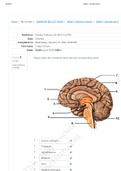
Central Nervous System (CNS) Overview: Brain, spinal cord, and their major components.
o Brain Structures: Cerebrum, cerebellum, brainstem, and diencephalon.
o Spinal Cord: Anatomy and function, including the ascending and descending tracts.
Cranial Nerves: Function, clinical testing, and common pathologies.
Vascular Supply: Major cerebral arteries and their implications in stroke and other vascular
diseases.
3. Neurophysiology
Neuronal Function: Action potentials, synaptic transmission, and neurotransmitters.
Motor and Sensory Pathways: Detailed pathways including corticospinal, spinothalamic, and
dorsal columns.
Autonomic Nervous System: Sympathetic and parasympathetic divisions and their clinical
relevance.
4. Neurological Examination
History Taking: Key elements including onset, duration, and progression of symptoms.
Physical Examination: Techniques for assessing mental status, cranial nerves, motor system,
sensory system, coordination, and gait.
5. Common Neurological Disorders
Headaches: Migraine, tension-type, and cluster headaches—diagnosis and management.
Seizure Disorders: Epilepsy, types of seizures, and diagnostic approach including EEG.
Stroke: Types (ischemic vs. hemorrhagic), risk factors, acute management, and long-term
rehabilitation.
Certainly! Preparing for the United States Medical Licensing Examination (USMLE) often
involves a deep dive into various medical concepts, including neurology. Here’s a
comprehensive yet condensed outline that could form the basis for a 20-page concept on
neurology as it pertains to the USMLE:
1. Introduction to Neurology in USMLE
Purpose and Scope: Overview of how neurology is tested on the USMLE, including the focus on
both basic principles and clinical scenarios.
Key Neurological Concepts: Understanding neuroanatomy, neurophysiology, and common
neurological disorders.
2. Neuroanatomy
Central Nervous System (CNS) Overview: Brain, spinal cord, and their major components.
o Brain Structures: Cerebrum, cerebellum, brainstem, and diencephalon.
o Spinal Cord: Anatomy and function, including the ascending and descending tracts.
Cranial Nerves: Function, clinical testing, and common pathologies.
Vascular Supply: Major cerebral arteries and their implications in stroke and other vascular
diseases.
3. Neurophysiology
Neuronal Function: Action potentials, synaptic transmission, and neurotransmitters.
Motor and Sensory Pathways: Detailed pathways including corticospinal, spinothalamic, and
dorsal columns.
Autonomic Nervous System: Sympathetic and parasympathetic divisions and their clinical
relevance.
4. Neurological Examination
History Taking: Key elements including onset, duration, and progression of symptoms.
Physical Examination: Techniques for assessing mental status, cranial nerves, motor system,
sensory system, coordination, and gait.
5. Common Neurological Disorders
Headaches: Migraine, tension-type, and cluster headaches—diagnosis and management.
Seizure Disorders: Epilepsy, types of seizures, and diagnostic approach including EEG.
Stroke: Types (ischemic vs. hemorrhagic), risk factors, acute management, and long-term
rehabilitation.