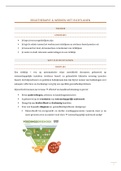
TPN2601 Assignment 50 PORTFOLIO (ANSWERS) 2024 - DISTINCTION GUARANTEED
Well-structured TPN2601 Assignment 50 PORTFOLIO (ANSWERS) 2024 - DISTINCTION GUARANTEED. (DETAILED ANSWERS - DISTINCTION GUARANTEED!).. To complete this portfolio, it is important that you understand the concepts described below. General themes or concepts that are important for educators in South Africa 1. Decolonisation (Education) An active process to change the Western-dominated philosophy and approach to education to a balanced approach where indigenous knowledge and pedagogies are acknowledged and genuinely incorporated into the formal educational system. Multiple perspectives are included to make education relevant and practical to address needs and challenges within specific contexts. (Owuor:2007) Principles: Mkabela – An African approach to education Own understanding of the concept and examples of implementation and teaching practice. ……………………………………………………………………………………………………………………………………………………………………………………………………………………………………………………………………………………………………………………………………………………………………………………………………………………………………………………………………………………………………………………………………………………………………………………………………………………………………………………………………………………………………………………………………………………………………………………………………………… 2. African communalism: Community and belonging to a community are an important aspect of African life. An individual is conceptualised in terms of their connectedness in a community. Letseka (2000). Principles: Individuals are interdependent. Human relationships are important. Content and knowledge must be useful for practice. Own understanding of concept and examples of implementation and teaching practice. ……………………………………………………………………………………………………………………………………………………………………………………………………………………………………………………………………………………………………………………………………………………………………………………………………………………………………………………………………………………………………………………………………………………………………………………………………………………………………………………………………………………………… 14 3. Ubuntu (humanness) A philosophy that promotes the common good of society. It focuses on ethical standards that a person acquires throughout their life and therefore education also plays a very important role in transferring the African philosophy of life. The values of caring, sharing and dignity are important. (Mosana) Principles: Understanding the uniqueness of all persons. Recognising the humanity of others to affirm your own humanity. Welfare of others is important. Fairness and humanness are crucial to personal well-being. In a fulfilled and flourishing life people are reasonably well fed, well clothed and housed, in good health, loved, secure, and able to make a conscious effort to treat others with fairness and humanness. Fairness and communality; individuals are interdependent. Human relationships are important. Therefore, respect, interpersonal skills and cooperative skills are important. Own understanding of the concept and examples of implementation. What does this mean in your practice as a teacher? ……………………………………………………………………………………………………………………………………………………………………………………………………………………………………………………………………………………………………………………………………………………………………………………………………………………………………………………………………………………………………………………………………………………………………………………………………………………………………………………………………………………………………………………………………………………………………………………………………………………………………………………………………………………………………………………………… TPN2601/103 15 4. Africanisation: Using an African point of departure to change or incorporate the African outlook and character in all aspects of an education grounded in a South African context. Principles: Our schools are situated in the South African context. Principles that guide African ways of thinking, which may be invaluable in making education more accessible to South African learners: Examples: Respect different ways of learning, (Letseka), use different processes and methods of assessment (Beets & Le Grange). Use examples from South Africa and other countries. Own understanding of the concept and examples of implementation. What does this mean in your practice as a teacher? ……………………………………………………………………………………………………………………………………………………………………………………………………………………………………………………………………………………………………………………………………………………………………………………………………………………………………………………………… 5. Indigenous Knowledge System (IKS) A complex set of activities, values, beliefs and practices that has evolved over time and is still actively practised. IKS is developed and sustained through traditional education. It provides skills, trade, training and socialisation avenues. It is a process of knowledge transmission that occurs within the context of family, community and cultural age groups. A lifelong learning process involving progression through age groupings, seniority and others’ wisdom. Principles: Knowledge and wisdom advance with the age and life experiences of individuals. Knowledge is acquired through interaction with daily experiences and reflects the community’s value systems. The purpose of IKS is to place knowledge within the context of the user. It is handed down from one generation to another. It involves the expertise of multiple teachers. Mazrui refers to pillars of wisdom in integrating indigenous knowledge – tolerance, social justice, and the like. Lave and Wenger mention situated learning while Letseka talks about ubuntu values such as respect and ways of learning. Own understanding of the concept and examples of implementation. What does this mean in your practice as a teacher? ……………………………………………………………………………………………………………………………………………………………………………………………………………………………………………………………………………………………………………………………………………………………………………………………………………………………………………………………………………………………………………………………………………………………………………… 10 16 To learn more about these concepts, access the articles from the Unisa Library: When you observe, reflect and report on your practical teaching experience, you are linking what is happening in the classroom today with current research. In this way, you are contributing to new knowledge that can positively influence education in South Africa. We value your opinion and we are looking forward to seeing you grow and develop as a teacher. The information containing essential guidelines for your school practice period is included in Tutorial Letter 101. Consult the guidelines prior to and during your teaching practice period. In the tutorial letter, you will find the teaching practice Assignments 01 and 02 as well as instructions on the preparation and submission of the assignments. During your observation, you must complete tasks in the portfolio and make sure that all the documents that need to be signed are signed. After completing the tasks in your portfolio during the observation period, you must submit them online. 3.2.1 MY TEACHING PHILOSOPHY (BELIEFS) Write a brief teaching philosophy. Include all the aspects indicated below. a. Why you want to be a teacher. ……………………………………………………………………………………………………………………………………………………………………………………………………………………………………………………………………………………………………………………………………………………………………………………………………………………………………………………………………………………………………………………………………………………………………………… b. What subject and age group you would like to teach and why. …………………………………………………………………………………………………………………………………………………………………………………………………………………………………………………………………………….……………………………………………………………………………………………………………………………………………………………………………………………………………………………………………………………………………………………… TPN2601/103 17 c. How you believe teaching should take place. ……………………………………………………………………………………………………………………………………………………………………………………………………………………………………………………………………………………………………………………………………………………………………………………………………………………………………………………………………………………………………………………………………………………………………………… d. How you believe learners learn best. …………………………………………………………………………………………………………………………………………………………………………………………………………………………………………………………………………………………………………………………………………………………………………………………………………………………………………………………………………………………………………………………………………………………………………… e. Why you believe teaching is a vital profession. ……………………………………………………………………………………………………………………………………………………………………………………………………………………………………………………………………………………………………………………………………………………………………………………………………………………………………………………………………………………………………………………………………………………………………………… f. How you believe you can make a difference. ……………………………………………………………………………………………………………………………………………………………………………………………………………………………………………………………………………………………………………………………………………………………………………………………………………………………………………………………………………………………………………………………………………………………………………… g. What learning gains you are expecting to achieve during your teaching practice. …………………………………………………………………………………………………………………………………………………………………………………………………………………………………………………………………………………………………………………………………………………………………………………………………………………………………………………………………………………………………………………………………………………………………………………………… 10 18 3.3 CLASSROOM MANAGEMENT OBSERVATION ACTIVITIES You have now observed and reflected on the effect that the context has on the school and teaching in the classroom. In this section of the portfolio, you will observe different aspects of classroom management. In the South African context, there are specific aspects that influence a teacher’s classroom management. The teacher’s background and their use of strategies to engage the learners is very important for successful teaching and learning in every context. The assessment criteria indicate important aspects you need to focus on in this section. Consider the marks allocated to each activity. Learning outcome Identify varied strategies for effective classroom practice in ways that are appropriate for different purposes and contexts. Assessment criteria On completion of section 2 of the portfolio, you must be able to do the following: • Identify mentor and teacher perspectives that influence classroom management strategies in this school context. • Identify policies that influence classroom management in the South African context. • Analyse curriculum policy documents for their impact on classroom practices in the South African context. • Observe and analyse lessons taught by experienced teachers. • Reflect on effective teaching strategies. • Describe and reflect on aspects regarding effective classroom management in different contexts. • Reflect critically on post-observation insights. TPN2601/103 19 3.3.1 Introduction Effective classroom management is key to support learners to learn to their full ability. Aspects that influence classroom management are: • Perspectives on teaching and learning • The student’s perspective 3.3.2 Perspectives on teaching and learning Your mentor’s perspective on teaching and learning will influence how they manage the class, but also how they guide you and interprets your observation of activities in the class. Do you know who your mentor is? Their experience will influence their teaching philosophy and it will influence the guidance the mentor gives you while observing. Make an appointment with your mentor and complete the following information after speaking to them. Training as mentor (by whom and how much formal/informal training, accredited or not) ………………………………………………………………………………………………………………………………………………………………………………………………………………………………………………………………………………………………………………………………………………………………………………………………………………………………………………………………………………………………………………………………………………………………………………………….. What are your expectations of the mentor? ………………………………………………………………………………………………………………………………………………………………………………………………………………………………………………………………………………………………………………………………………………………………………………………………………………………………………………………………………………………………………………………………………………………………………………………….. What can the mentor expect from you? …………………………………………………………………………………………………………………………………………………………………………………………………………………………………………………………………………………………………………………………………………………………………………………………………………………………………………………………………………………………………………………………………………………………………………………………… 20 Reflection: How did the mentor(s) contribute to your practical teaching experience? …………………………………………………………………………………………………………………………………………………………………………………………………………………………………………………………………………………………………………………………………………………………………………………………………………………………………………………………………………………………………………………………………………………………………………………………… 5 3.3.3 The student’s perspective Description of your personal background: Your own background and teaching philosophy will influence the observation of classroom management aspects and your interpretation thereof. Complete the following information to gain insight and awareness of the aspects that contribute to your teaching philosophy. Are you currently employed? YES/NO Are you teaching at present? YES/NO If so, for how long and which grade? ……………………………………. Or is this your first teaching experience? ............................................. Description of your qualifications (where and when did you acquire them). ……………………………………………………………………………………………………………………………………………………………………………………………………………………………………………………………………………………………………………………………………………………………………………………………………………………………………………………………………………………………………………………………………………………………………………………………. How do you manage your studies? (Employed full-time or not) …………………………………………………………………………………………………………………………………………………………………………………………………………………………………………………………………………………………………………………………………………………………………………………………………………………………………………………………………………………………………………………………………………………………………………………………… Description of any other appropriate experience/information, which has had an influence on your teaching practice experience period (observation). …………………………………………………………………………………………………………………………………………………………………………………………………………………………………………………………………………………………………………………………………………………………………………………………………………………………………………………………………………………………………………………………………………………………………………………………… TPN2601/103 21 ……………………………………………………………………………………………………………………………………………………………………………………………………………………………………………………………………………………………………………………………………………………………………………………………………………………………………………………………………………………………………………………………………………………………………………………………………………………………………………………………………………………………………………………………………………………………………………………………………………………………………………………………………………………………………………………………………………………………………………………………………………………………………………………………………… Description of your experience with Unisa’s teaching practice processes, arrangements, placements, school visits, support, and the like. ………………………………………………………………………………………………………………………………………………………………………………………………………………………………………………………………………………………………………………………………………………………………………………………………………………………………………………………………………………………………………………………………………………………………………………………………………………………………………………………………………………………………………………………………………………………………………………………………………………………………………………………………………………………………………………………………………………………………………………………………………………………………………………………………………………………………………………………………………………………………………………………………………………………………………………………………………………………………………………………………………………………………………………………………………………………………………………………………………………………………………………………………………………………………………………………………………………………………………………………………………………………………………………………………………………………………………………………………………………………………………………………………………………………………………… What has been your experience of the teaching practice observations? (Both positive and negative experiences.) ………………………………………………………………………………………………………………………………………………………………………………………………………………………………………………………………………………………………………………………………………………………………………………………………………………………………………………………………………………………………………………………………………………………………………………………………………………………………………………………………………………………………………………………………………………………………………………………………………………………………… 22 …………………………………………………………………………………………………………………………………………………………………………………………………………………………………… How would you apply the positive things you have observed in your teaching practice observations and what would you change about the negative aspects you have come across? ………………………………………………………………………………………………………………………………………………………………………………………………………………………………………………………………………………………………………………………………………………………………………………………………………………………………………………………………………………………………………………………………………………………………………………………………………………………………………………………………………………………………………………………………………………………………………………………………………………………………… Did you conduct yourself in terms of the Code of Conduct of the South African Council for Educators? You can access this document at (If you are not a South African, it should be in terms of the teachers’ code of conduct for your own country.) If your answer is yes, then indicate the areas and substantiate your answer. ……………………………………………………………………………………………………………………………………………………………………………………………………………………………………………………………………………………………………………………………………………………………………………………………………………………………………………………………………………………………………………………………………………………………………………………………. 5 It should now be clear to you that your personal background influences the way you interpret and look at the world. The activities you are about to do form part of your observational learning. Get actively involved to gain as much as possible from the experience. You have to use the template provided when doing the observation and attach artefacts (proof of what you have observed). 3.3.4 Policies that influence classroom management 3.3.4.1 Identify policies. TPN2601/103 23 Administration is an important part of classroom management. Policies guide classroom administration. a. Request the policies that are available at the school and peruse them. 1.Write down what type of policies you have found. ………………………………………………………………………………………………………………………………………………………………………………………………………………………………………………………………………………………………………………………………………………………………………………………………………………………………………………………………………………………………………………………………………………………………………………………….. 2.Why do you think policies are important within the school? Explain. …………………………………………………………………………………………………………………………………………………………………………………………………………………………………………………………………………………………………………………………………………………………………………………………………………………………………………………………………………………………………………………………………………………………………………………………… 3.What are the most appropriate policies that will guide your day-to-day classroom practices? (List the policies) …………………………………………………………………………………………………………………………………………………………………………………………………………………………………………………………………………………………………………………………………………………………………………………………………………………………………………………………………………………………………………………………………………………………………………………………… 4.How do you see these policies changing your classroom practice? Substantiate your answer. ………………………………………………………………………………………………………………………………………………………………………………………………………………………………………………………………………………………………………………………………………………………………………………………………………………………………………………………………………………………………………………………………………………………………………………………… 5.Are there any other policies of importance that are not available in the school, which could help the teachers in their day-to-day classroom practices? Name the policies and explain their importance (reflection). Why are they relevant in this context? ………………………………………………………………………………………………………………………………………………………………………………………………………………………………………………………………………………………………………………………………………………………………………………………………………………………………………………………………………… 24 ……………………………………………………………………………………………………………… 10 3.3.4.2 Discipline Effective classroom management requires that the teacher knows about different aspects of discipline. The teacher must also know how to implement the correct approach to discipline in a specific context in the classroom. Read the chapter entitled “Help I am a student teacher”. In this chapter, the legislative information around discipline in South African schools is discussed and practical aspects for implementing discipline are described. 1. Does the school have a code of conduct? ……………………………………………………………………………………………………………………………………………………………………………………………………………………………………............................................................................................................................................................................................................................................................................................................................................................................................................................................................................... 2. Do learners, parents and guardians have a copy of the code of conduct? ……………………………………………………………………………………………………………………………………………………………………………………………………………………………………....................................................................................................................................................................................................................................................................................................................................................................................................................................................................................... 3. If yes, give a brief description of the code of conduct. ……………………………………………………………………………………………………………………………………………………………………………………………………………………………………................................................................................................................................................................................................................................................................................................................................................................................................................................................................................... 4. Who is responsible for the administration of the school’s code of conduct? …………………………………………………………………………………………………………………………………………………………………………………………………………………………………….............................................................................................................................................................. TPN2601/103 25 ........................................................................................................................................................................................................................................................................................................................ 5. Do you think involving learners in formulating a school’s code of conduct is important or not? Give reasons. ………………………………………………………………………………………………………………………………………………………………………………………………………………………………………………………………………………………………………………………………………………………......................................................................................................................................................................................................................................................................................................................... 6. Did you observe any learner being disciplined? Why was the learner disciplined and what kind of action was taken? ……………………………………………………………………………………………………………………………………………………………………………………………………………………………………................................................................................................................................................................................................................................................................................................................................................................................................................................................................................... Observe, over a period of five school days, and present the rules that are obeyed the most. Day 1:………………………………………………………………………………………………………….. …………………………………………………………………………………………………………………..………………………………………………………………………………………………………………….......................................................................................................................................................................................................................................................................................................................... Day 2:………………………………………………………………………………………………………….. …………………………………………………………………………………………………………………..…………………………………………………………………………………………………………………...................................................................................................................................................................................................................................................................................................................... Day 3:………………………………………………………………………………………………………….. ………………………………………………………………………………………………………………..…………………………………………………………………………………………………………………….......................................................................................................................................................................................................................................................................................................................... Day 4:………………………………………………………………………………………………………….. ………………………………………………………………………………………………………………..…………………………………………………………………………………………………………………….. 26 ..................................................................................................................................................................................................................................................................................................................... Day 5:………………………………………………………………………………………………………….. ………………………………………………………………………………………………………………..… ………………………………………………………………………………………………………………….......................................................................................................................................................................................................................................................................................................................... 10 3.3.4.3 School buildings and grounds In one sentence, briefly comment on the following aspects of the school buildings: 1. Condition of the school buildings: ……………………………………………………………………………………………………………………………………………………………………………………………………………………………………................................................................................................................................................................................................................................................................................................................................................................................................................................................................................... 2. Condition of the school grounds: …………………………………………………………………………………………………………………………………………………………………………………………………………………………………….............................................................................................................................................................................................................................................................................................................................................................................................................................................................................. 3. Did you see any evidence of vandalism? ……………………………………………………………………………………………………………… 4. Is there any mechanism in place to prevent vandalism? …………………………………………………………………………………………………………………………………………………………………………………………………………………………………….............................................................................................................................................................. TPN2601/103 27 ...................................................................................................................................................................................................................................................................................................................... 5. Who is responsible for the maintenance of the school grounds? ……………………………………………………………………………………………………………………………………………………………………………………………………………………………………..................................................................................................................................................................................................................................................................................................................................................................................................................................................................................... 6. Are learners involved in the maintenance of the school grounds? ……………………………………………………………………………………………………………………………………………………………………………………………………………………………………...................................................................................................................................................................................................................................................................................................................................................................................................................................................................................... 7. Write down one practical recommendation on how to improve the school buildings and grounds. …………………………………………………………………………………………………………………........……………………………………………………………………………………………………………....................................................................................................................................................................................................................................................................................................................................................................................................................................................................................... 10 3.3.4.4 Curriculum policy documents: (Activities) Activity 1 In South Africa, the Curriculum and Assessment Policy Statements (CAPS) guide teaching and learning activities and provide the content that should be addressed in the syllabus and in each lesson. Teachers should be familiar with the CAPS document for each subject they are teaching. In order to enhance learners' knowledge, values and skills in a subject, the curriculum documents are developed to include a progression of concepts in every grade. 28 For the following activity, you need to select one of your specialisation subjects from the curriculum policy documents used in your country. South African students must choose a subject document from CAPS. • Select a specific concept/content area that is repeated in three consecutive grades in this subject. • Highlight the concept and progression/development across the three grades. • Use the template below to show the progression of the concept you observed from the CAPS documents. (Example) Progression per grade From: Intermediate Phase: Curriculum and Assessment Policy Statement Home Language Grade 4 to 6 – South Africa) LANGUAGE Content area Language component Grade Grade 4 Grade 5 Grade 6 Topic Writing Copies known letters in own name to represent writing Copies one sentence of news from board/chart correctly Writes an expressive text such as birthday card or letter Your own progression per grade From: …………..Phase :Curriculum and Assessment Policy Statement …………………..Grade……to……… – South Africa) TPN2601/103 29 5 Content area ……..……..…….. ……..……..…….. Grade Grade …….. Grade …….. Grade …….. Topic: …………… 30 Activity 2: You read about concepts such as Africanisation and ubuntu, as well as the principles underlying each of these concepts in the introduction. Use the same subject and curriculum document that you used in the first activity. Do you see evidence of these aspects addressed in the subject or topics? Insert practical examples. Name at least two topics where you think these concepts could be addressed. …………………………………………………………………………………………………………………………………………………………………………………………………………………………………………………………………………………………………………………………………………………………………………………………………………………………………………………………………………………………………………………………………………………………………………………………… Suggest a way that you would do this in your own context and teaching practice. …………………………………………………………………………………………………………………………………………………………………………………………………………………………………………………………………………………………………………………………………………………………………………………………………………………………………………………………………………………………………………………………………………………………………………………………… 5 We have now looked at the school context, the teacher and the policies that guide teaching. All these factors contribute to the success of teaching and learning. 3.3.4.5 Important aspects regarding lessons and lesson presentation 3.3.4.5.1 The structure and stages of a lesson In the following section, we will look at the lesson structure and important aspects of each lesson as the teacher manages it. The lesson structure. All lesson structures follow a basic structure: • Introduction: beginning of a lesson • What happens during the lesson • What happens at the end of a lesson TPN2601/103 31 3.3.4.5.2 Observing the different stages of a lesson What happens at each stage of the lesson and how the teacher manages this is very important and determines the success of learning (Source – adapted for Part A, B and C): Cohen, L, Manion, L & Morrison, K. 2005. A guide to teaching practice. The following questions can guide you to be aware of what happens at each stage of the lesson. Before you start with your formal observations and complete the observation sheets, answer the following questions to become aware of what is important at every stage. Stages of a lesson A. The beginning of a lesson • How do the learners enter the classroom? …………………………………………………………………………………………………………………………………………………………………………………………………………………………………………………………………………………………………………………………………………………………………………………………………………………………………………………………………………………………………………………………………………………………………………….. • How do the teacher and learners greet each other? …………………………………………………………………………………………………………………………………………………………………………………………………………………………………………………………………………………………………………………………………………………………………………………………………………………………………………………………………………………………………………………………………………………………………………….. • How are the desks arranged? ……………………………………………………………………………………………………………………………………………………………………………………………………………………………………………………………………………………………………………………………………………………………………………………………………………………………………………………………………………………………………………………………………………………………………………… • Does the teacher verify attendance? ............................................................................................................................................................................................................................................................................................................................................................................................................................................................................................................................................................................................................................................................................................................................................................................................ 32 • How is the previous day's homework dealt with? …………………………………………………………………………………………………………………………………………………………………………………………………………………………………………………………………………………………………………………………………………………………………………………………………………………………………………………………………………………………………………………………………………………………………………….. • How does the teacher indicate that the lesson has started? ............................................................................................................................................................................................................................................................................................................................................................................................................................................................................................................................................................................................................................................................................................................................................................................................ B. B. During the lesson: • Does the teacher use individual work, work in pairs, group work or whole class discussion? ……………………………………………………………………………………………………………………………………………………………………………………………………………………………………………………………………………………………………………………………………………………………………………………………………………………………………………………………………………………………………………………………………………………………………………… • What does the teacher do to let learners know what is expected from them? ……………………………………………………………………………………………………………………………………………………………………………………………………………………………………………………………………………………………………………………………………………………………………………………………………………………………………………………………………………………………………………………………………………………………………………….. • Where is the teacher at different stages of the lesson? ……………………………………………………………………………………………………………………………………………………………………………………………………………………………………………………………………………………………………………………………………………………………………………………………………………………………………………………………………………………………………………………………………………………………………………….. • How does the teacher use their voice to manage what happens in the class? ……………………………………………………………………………………………………………………………………………………………………………………………………………………………………………………………………………………………………………………………………………………………………………………………………………………………………………………………………………………………………………………………………………………………………………… • How does the teacher praise or reward learners? TPN2601/103 33 ……………………………………………………………………………………………………………………………………………………………………………………………………………………………………………………………………………………………………………………………………………………………………………………………………………………………………………………………………………………………………………………………………………………………………………… • How does the teacher handle discipline? …………………………………………………………………………………………………………………………………………………………………………………………………………………………………………………………………………………………………………………………………………………………………………………………………………………………………………………………………………………………………………………………………………………………………………….. • How does the teacher handle a question they cannot answer? ……………………………………………………………………………………………………………………………………………………………………………………………………………………………………………………………………………………………………………………………………………………………………………………………………………………………………………………………………………………………………………………………………………………………………………… • How does the teacher deal with differently abled learners? ……………………………………………………………………………………………………………………………………………………………………………………………………………………………………………………………………………………………………………………………………………………………………………………………………………………………………………………………………………………………………………………………………………………………………………… C. At the end of the lesson: • How does the teacher conclude the lesson? ………………………………………………………………………………………………………………………………………………………………………………………………………………………………………………………………………………………………………………………………………………………………………………………………………………………………………………………………………………………………………………………………………………………………………………. • How does the teacher facilitate a discussion or feedback at the end? ……………………………………………………………………………………………………………………………………………………………………………………………………………………………………………………………………………………………………………………………………………………………………………………………………………………………………………………………………………………………………………………………………………………………………………… • How does the teacher deal with learners who have not finished their work? ……………………………………………………………………………………………………………………………………………………………………………………………………………………………………………………………………………………………………………………………………………………………………………………………………………………………………………………………………………………………………………………………………………………………………………… 34 • How does the teacher communicate homework? ……………………………………………………………………………………………………………………………………………………………………………………………………………………………………………………………………………………………………………………………………………………………………………………………………………………………………………………………………………………………………………………………………………………………………………… • How does the teacher dismiss the class? ……………………………………………………………………………………………………………………………………………………………………………………………………………………………………………………………………………………………………………………………………………………………………………………………………………………………………………………………………………………………………………………………………………………………………………… D. Observe learners: • What are learners doing when not sett
Connected book
- 2017
- 9781526426895
- Unknown
Written for
- Institution
- University of South Africa (Unisa)
- Course
- Teaching practice for Intermediate Phase I (TPN2601)
Document information
- Uploaded on
- August 29, 2024
- Number of pages
- 96
- Written in
- 2024/2025
- Type
- Exam (elaborations)
- Contains
- Questions & answers
Subjects
-
tpn2601