Britain Depth Boxes
Radical reformers 1790-1819
Aims, tactics and impact of extra-parliamentary protest: the London Corresponding Society,
1792–93, the Spa Fields meetings, 1816, the Pentridge Rising, 1817, and Peterloo, 1819; extent
of success by 1819.
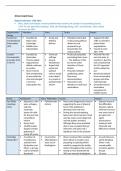
Organisation/ Members Aims Tactics Impact
Group
Society for Founded by Social and Members interested Support fell after
Constitutional Major John Political in discussing political 1783 as members
Information Cartwright Reform affairs but not joined other
(SCI) Middle-class prepared to go organisations
industrialists beyond this into Ceased to exist
radical activity after 1795
London Founded by Universal Produced pamphlets Worried Pitt who
Correspondin shoemaker suffrage promoting their views sent out spies to
g Society (LCS) Thomas Hardy Annual – The Address of the monitor it, but this
1792-93 Supported by Parliaments LCS to the other only revealed that
skilled craftsmen Hoped that Societies of Great the LCS operated
in London social and Britain. strictly within the
Never tried to political Peaceful methods – law
limit membership reform would petitioning rather Received backlash
to any particular come about than mass from conservative
class and charged as a result of demonstrations groups and other
a very low parliamentary Discussions and radical groups
subscription fee reform debates in small local Gvt preferred the
associations Association
movement of
middle classes
Event Participants Aims/ Motivation Events Impact
Spa Fields Spenceans, who Parliamentary Hunt came dangerously close to Exposed many of
meetings were unhappy reform suggesting the use of physical the difficulties
1816 with the force if the petitioners’ faced by radical
moderate demands were not met reformers in post-
stance of relief During the second meeting, war years (use of
for the poor but Spenceans stirred up the crowd gvt spies and
not political and the rioters were dispersed agent
reform and the leaders arrested, provocateurs
Henry Hunt although they were acquitted made gvt well-
10,000 people after it was revealed that gvt informed and
(largest London informers and spies had a difficult to outwit)
gathering in significant role in the protests
nearly 40 years)
Pentridge A number of Insurrection Oliver convinced the members A Leeds Mercury
Rising 1817 revolutionary Attempting to that radicals in London were article detailing
activists from seize city of preparing an uprising which Oliver’s role
Derbyshire and Nottingham would be supported by similar caused public
Oliver, a gvt spy actions throughout the country revulsion against
Led by Jeremiah Acting on this, Brandreth led the gvt.
Brandreth 300 men towards Nottingham 14 were
, They were intercepted, many transported and
fled and 80 were arrested Brandreth as well
as two others
were executed.
March of Textile workers March to A 10,000-strong crowd saw off a Contributed to
the from London to 300-strong marching party, dissatisfaction
Blanketeers Manchester petition the although most of the group was that caused
1817 Regent to arrested or dispersed only six Peterloo
take steps to miles south of Manchester.
improve the
cotton trade
Peterloo Henry Hunt Parliamentary Magistrates issued a warrant for Widespread
1819 invited to reform, Hunt’s arrest. As the Yeomanry national revulsion,
address including moved to carry this out, they leading to
gathering universal were held up by the density of outbreaks of
80,000 men, suffrage and the crowd and they and their rioting and the
women and annual horses began to panic. further growth of
children Parliaments Troops defended themselves political unions
from stones thrown at them by Symbolised
hacking at the crowd with their savage repression
sabres. of WC by
The crowd rapidly scattered, authoritarian gvt
leaving 11 dead and 500+
injured.
Extent The fact that the 1820s was mostly a period of domestic peace indicates that the radicals had not
of achieved significant success as they were unable to challenge the government long-term.
success The government used local magistrates, local regiments and volunteer yeomanry to command order,
by although pre-railways it was difficult to move large numbers with speed. They also used spy networks to
1819 gauge revolutionary behaviour and prevent themselves being blindsided
The government sought to promote national unity during the Napoleonic war; groups pertaining to this
idea often gained far more members than radical groups as it was seen as unpatriotic to counter the
government during the war
With this opposition support and nationalist propaganda, the aims of radical protest were made greatly
difficult to achieve. However, whilst no specific aims had been achieved, the movement saw
developments in the organisation and political education of the working class.
Growing literacy (due to the development of day and Sunday schools) allowed more working-class people
to access written political materials – annual newspaper prints rose 14x from 1690 to 1785. The
government fear of this can be demonstrated through them raising the duties on newspapers from 1789-
1815.
Many post-war reform groups were populated by the skilled-working and middle classes but held little
attraction for the working and agricultural classes, due to their moderate nature.
Many unskilled working-classes began to organise themselves into trade unions until they were
suppressed by the Combination Acts of 1799 and 1800.
Whilst 1790s radicalism had been concentrated in London, post-war radicalism was heavily Northern
Radicalism struggled because: it had no recognised leader; it was divided between those who sought
change through moral force and persuasion and those who sought violence; the government was strong
and determined
Post-1810, the reform movement was better organised and supported by people from all social classes.
Most aimed for parliamentary reform but some (Spenceans) sought the revolutionary seizure of the
state.
, Government responses: the trial of the leaders of the London Corresponding Society and
suspension of Habeas Corpus, 1794, the Treason Act and Seditious Meetings Act 1795, the
Gagging Acts 1817 and the Six Acts 1819.
Governmen Description Impact
t Response
Trial of In 1793, the LCS and revived SCI sent delegates to Showed how seriously the gvt took
leaders of Edinburgh, who were arrested. In 1794, leaders were the threat of domestic unrest and
LCS and arrested, as divisive reformers gained little sympathy during opposition.
suspension the war, and charged with high treason. Parliament Caused most of the LCS leadership
of Habeas suspended habeas corpus, allowing the gvt time to to withdraw from radical politics.
Corpus interview and prepare a case against the accused. They Pitt was prepared to change
were unable to prepare a convincing case, however, and all existing laws to prevent the
the defendants were acquitted. progress of the radical movement.
Treason Act The French war had dislocated British trade, leading to Maintained order and suppressed
and rapidly rising unemployment in industrial towns, an issue revolutionaries
Seditious complicated by poor harvests and the inevitable rise in food Demonstrates powerlessness of the
Meetings prices. Ministers were persuaded to amend the treason law movement against the government
Act 1795 in order to strengthen their powers against radicalism. The Radical activity rapidly diminished
Treason Act 1795 made it an offence to kill or harm the king and was replaced by patriotic post-
and treason was defined as any intention to ‘intimidate, war feelings
overawe either House of Parliament’, meaning that anyone Radicalism was received with little
outside Parliament who called for Parliamentary reform favour and seen as unpatriotic
could be charged with treason. The Seditious Meetings Act Thomas Paine’s works found little
restricted the size of public meetings to 50 people unless support in Britain, France or USA
they were approved in advance by the magistrates.
Gagging The end of the war saw issues such as poor harvests, Demonstrated gvt fear of
Acts 1817 unemployment exacerbated by the demobilisation of troops Spenceans
and an economic depression. The laissez-faire gvt did little Gave ministers time to build a case
to ease this. The gvt feared that there was a broad, against reformers and took them
interlinked movement of revolutionary conspiracy and out of circulation for months at a
decided to pass measures to combat radical activity. The time, even when they were
Treason Act 1795 was made permanent and habeas corpus released without charge
was suspended for all those suspected of treasonable Quelled unrest in the short term,
activities. Justices of the Peace were given the power to especially in London
attend any public meeting and disperse it if they deemed it When most of their terms lapsed in
an unlawful assembly. Groups requiring members to swear a 1818, radical activity returned
secret oath were banned entirely, as were Spencean clubs.
Six Acts Government aimed to prevent organised protests similar to Measures were seen as curtailing
1819 Peterloo. Implemented ‘Six Acts’, which included the freedom and were strongly
Unlawful Drilling Act, which prevented protestors from opposed by the Whig opposition.
practising marching (which they did pre-Peterloo); the SMP Act was repealed in 1824.
Seizure of Arms Act, which empowered magistrates to enter Restored calm
any property where they suspected arms were being stored; Condemned by many
the Misdemeanours Act, which reduced the ability of any contemporaries who saw them as
arrested person from being granted bail; the Seditious repressive, whilst others see them
Meetings Prevention Act, which revived the terms of the as the only weapons at the
1795 and 1817 Acts and limited public meetings to 50 government’s disposal.
people; the Criminal Libel Act, which ineffectively sought to
penalise libellous writers; and the Newspapers and Stamp
Radical reformers 1790-1819
Aims, tactics and impact of extra-parliamentary protest: the London Corresponding Society,
1792–93, the Spa Fields meetings, 1816, the Pentridge Rising, 1817, and Peterloo, 1819; extent
of success by 1819.
Organisation/ Members Aims Tactics Impact
Group
Society for Founded by Social and Members interested Support fell after
Constitutional Major John Political in discussing political 1783 as members
Information Cartwright Reform affairs but not joined other
(SCI) Middle-class prepared to go organisations
industrialists beyond this into Ceased to exist
radical activity after 1795
London Founded by Universal Produced pamphlets Worried Pitt who
Correspondin shoemaker suffrage promoting their views sent out spies to
g Society (LCS) Thomas Hardy Annual – The Address of the monitor it, but this
1792-93 Supported by Parliaments LCS to the other only revealed that
skilled craftsmen Hoped that Societies of Great the LCS operated
in London social and Britain. strictly within the
Never tried to political Peaceful methods – law
limit membership reform would petitioning rather Received backlash
to any particular come about than mass from conservative
class and charged as a result of demonstrations groups and other
a very low parliamentary Discussions and radical groups
subscription fee reform debates in small local Gvt preferred the
associations Association
movement of
middle classes
Event Participants Aims/ Motivation Events Impact
Spa Fields Spenceans, who Parliamentary Hunt came dangerously close to Exposed many of
meetings were unhappy reform suggesting the use of physical the difficulties
1816 with the force if the petitioners’ faced by radical
moderate demands were not met reformers in post-
stance of relief During the second meeting, war years (use of
for the poor but Spenceans stirred up the crowd gvt spies and
not political and the rioters were dispersed agent
reform and the leaders arrested, provocateurs
Henry Hunt although they were acquitted made gvt well-
10,000 people after it was revealed that gvt informed and
(largest London informers and spies had a difficult to outwit)
gathering in significant role in the protests
nearly 40 years)
Pentridge A number of Insurrection Oliver convinced the members A Leeds Mercury
Rising 1817 revolutionary Attempting to that radicals in London were article detailing
activists from seize city of preparing an uprising which Oliver’s role
Derbyshire and Nottingham would be supported by similar caused public
Oliver, a gvt spy actions throughout the country revulsion against
Led by Jeremiah Acting on this, Brandreth led the gvt.
Brandreth 300 men towards Nottingham 14 were
, They were intercepted, many transported and
fled and 80 were arrested Brandreth as well
as two others
were executed.
March of Textile workers March to A 10,000-strong crowd saw off a Contributed to
the from London to 300-strong marching party, dissatisfaction
Blanketeers Manchester petition the although most of the group was that caused
1817 Regent to arrested or dispersed only six Peterloo
take steps to miles south of Manchester.
improve the
cotton trade
Peterloo Henry Hunt Parliamentary Magistrates issued a warrant for Widespread
1819 invited to reform, Hunt’s arrest. As the Yeomanry national revulsion,
address including moved to carry this out, they leading to
gathering universal were held up by the density of outbreaks of
80,000 men, suffrage and the crowd and they and their rioting and the
women and annual horses began to panic. further growth of
children Parliaments Troops defended themselves political unions
from stones thrown at them by Symbolised
hacking at the crowd with their savage repression
sabres. of WC by
The crowd rapidly scattered, authoritarian gvt
leaving 11 dead and 500+
injured.
Extent The fact that the 1820s was mostly a period of domestic peace indicates that the radicals had not
of achieved significant success as they were unable to challenge the government long-term.
success The government used local magistrates, local regiments and volunteer yeomanry to command order,
by although pre-railways it was difficult to move large numbers with speed. They also used spy networks to
1819 gauge revolutionary behaviour and prevent themselves being blindsided
The government sought to promote national unity during the Napoleonic war; groups pertaining to this
idea often gained far more members than radical groups as it was seen as unpatriotic to counter the
government during the war
With this opposition support and nationalist propaganda, the aims of radical protest were made greatly
difficult to achieve. However, whilst no specific aims had been achieved, the movement saw
developments in the organisation and political education of the working class.
Growing literacy (due to the development of day and Sunday schools) allowed more working-class people
to access written political materials – annual newspaper prints rose 14x from 1690 to 1785. The
government fear of this can be demonstrated through them raising the duties on newspapers from 1789-
1815.
Many post-war reform groups were populated by the skilled-working and middle classes but held little
attraction for the working and agricultural classes, due to their moderate nature.
Many unskilled working-classes began to organise themselves into trade unions until they were
suppressed by the Combination Acts of 1799 and 1800.
Whilst 1790s radicalism had been concentrated in London, post-war radicalism was heavily Northern
Radicalism struggled because: it had no recognised leader; it was divided between those who sought
change through moral force and persuasion and those who sought violence; the government was strong
and determined
Post-1810, the reform movement was better organised and supported by people from all social classes.
Most aimed for parliamentary reform but some (Spenceans) sought the revolutionary seizure of the
state.
, Government responses: the trial of the leaders of the London Corresponding Society and
suspension of Habeas Corpus, 1794, the Treason Act and Seditious Meetings Act 1795, the
Gagging Acts 1817 and the Six Acts 1819.
Governmen Description Impact
t Response
Trial of In 1793, the LCS and revived SCI sent delegates to Showed how seriously the gvt took
leaders of Edinburgh, who were arrested. In 1794, leaders were the threat of domestic unrest and
LCS and arrested, as divisive reformers gained little sympathy during opposition.
suspension the war, and charged with high treason. Parliament Caused most of the LCS leadership
of Habeas suspended habeas corpus, allowing the gvt time to to withdraw from radical politics.
Corpus interview and prepare a case against the accused. They Pitt was prepared to change
were unable to prepare a convincing case, however, and all existing laws to prevent the
the defendants were acquitted. progress of the radical movement.
Treason Act The French war had dislocated British trade, leading to Maintained order and suppressed
and rapidly rising unemployment in industrial towns, an issue revolutionaries
Seditious complicated by poor harvests and the inevitable rise in food Demonstrates powerlessness of the
Meetings prices. Ministers were persuaded to amend the treason law movement against the government
Act 1795 in order to strengthen their powers against radicalism. The Radical activity rapidly diminished
Treason Act 1795 made it an offence to kill or harm the king and was replaced by patriotic post-
and treason was defined as any intention to ‘intimidate, war feelings
overawe either House of Parliament’, meaning that anyone Radicalism was received with little
outside Parliament who called for Parliamentary reform favour and seen as unpatriotic
could be charged with treason. The Seditious Meetings Act Thomas Paine’s works found little
restricted the size of public meetings to 50 people unless support in Britain, France or USA
they were approved in advance by the magistrates.
Gagging The end of the war saw issues such as poor harvests, Demonstrated gvt fear of
Acts 1817 unemployment exacerbated by the demobilisation of troops Spenceans
and an economic depression. The laissez-faire gvt did little Gave ministers time to build a case
to ease this. The gvt feared that there was a broad, against reformers and took them
interlinked movement of revolutionary conspiracy and out of circulation for months at a
decided to pass measures to combat radical activity. The time, even when they were
Treason Act 1795 was made permanent and habeas corpus released without charge
was suspended for all those suspected of treasonable Quelled unrest in the short term,
activities. Justices of the Peace were given the power to especially in London
attend any public meeting and disperse it if they deemed it When most of their terms lapsed in
an unlawful assembly. Groups requiring members to swear a 1818, radical activity returned
secret oath were banned entirely, as were Spencean clubs.
Six Acts Government aimed to prevent organised protests similar to Measures were seen as curtailing
1819 Peterloo. Implemented ‘Six Acts’, which included the freedom and were strongly
Unlawful Drilling Act, which prevented protestors from opposed by the Whig opposition.
practising marching (which they did pre-Peterloo); the SMP Act was repealed in 1824.
Seizure of Arms Act, which empowered magistrates to enter Restored calm
any property where they suspected arms were being stored; Condemned by many
the Misdemeanours Act, which reduced the ability of any contemporaries who saw them as
arrested person from being granted bail; the Seditious repressive, whilst others see them
Meetings Prevention Act, which revived the terms of the as the only weapons at the
1795 and 1817 Acts and limited public meetings to 50 government’s disposal.
people; the Criminal Libel Act, which ineffectively sought to
penalise libellous writers; and the Newspapers and Stamp