8/22/24, 4:10 AM
DANIEL
Lippincott Nursing Assistant Chapter 31
Practice questions for this set
Terms in this set (10)
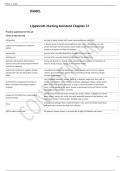
HIV-positive the state of being infected with human immunodeficiency virus (HIV)
a disease caused by human immunodeficiency virus (HIV), a bloodborne virus that
Acquired immunodeficiency syndrome
attacks the body's immune system; death usually results when the body becomes
(AIDS)
unable to recognize and fight off infections
Homosexual a person who is sexually attracted to members of the same sex
Heterosexual a person who is sexually attracted to members of the opposite sex
behaviors and situations that increase a having unprotected sex, sharing needs, receiving tissue transplants or transfusions of
person's risk for becoming infected with HIV blood or blood products, having an HIV-positive mother
include the following:
factors that contribute to negative attitude associated with factors that people can control, disapproval for moral or religious
toward those who are HIV-positive or have reasons, lack of information in how HIV is transmitted and fear becoming infected
AIDS: through casual contact
loss of appetite (anorexia), nausea, vomiting, or diarrhea. weight loss. fever (with or
as HIV infection progresses, the person is without night sweats). pain or difficulty swallowing (dysphagia). fatigue. swollen lymph
likely to develop many health problems, nodes in the neck, armpits, and groin. a cough or recurrent episodes of pneumonia.
including: sores or white patches in the mouth. bruises or dark bumps on the skin that do not heal.
forgetfulness and confusion. dementia
abandoned by friends and family members due to fear, shame, or disapproval. worries
people with HIV/AIDS have a great deal of
about money, losing a job. suffer from guilt, especially because of risky behavior. may
emotional stress:
have fears related to failing health, disability, pain or death
a bloodborne pathogen that invades the body's T cells, which are special white blood
HIV is
cells that help to protect the body from infection
AIDS is said to occur when the person's immune system is no longer able to fight off infections and cancers
1/1
DANIEL
Lippincott Nursing Assistant Chapter 31
Practice questions for this set
Terms in this set (10)
HIV-positive the state of being infected with human immunodeficiency virus (HIV)
a disease caused by human immunodeficiency virus (HIV), a bloodborne virus that
Acquired immunodeficiency syndrome
attacks the body's immune system; death usually results when the body becomes
(AIDS)
unable to recognize and fight off infections
Homosexual a person who is sexually attracted to members of the same sex
Heterosexual a person who is sexually attracted to members of the opposite sex
behaviors and situations that increase a having unprotected sex, sharing needs, receiving tissue transplants or transfusions of
person's risk for becoming infected with HIV blood or blood products, having an HIV-positive mother
include the following:
factors that contribute to negative attitude associated with factors that people can control, disapproval for moral or religious
toward those who are HIV-positive or have reasons, lack of information in how HIV is transmitted and fear becoming infected
AIDS: through casual contact
loss of appetite (anorexia), nausea, vomiting, or diarrhea. weight loss. fever (with or
as HIV infection progresses, the person is without night sweats). pain or difficulty swallowing (dysphagia). fatigue. swollen lymph
likely to develop many health problems, nodes in the neck, armpits, and groin. a cough or recurrent episodes of pneumonia.
including: sores or white patches in the mouth. bruises or dark bumps on the skin that do not heal.
forgetfulness and confusion. dementia
abandoned by friends and family members due to fear, shame, or disapproval. worries
people with HIV/AIDS have a great deal of
about money, losing a job. suffer from guilt, especially because of risky behavior. may
emotional stress:
have fears related to failing health, disability, pain or death
a bloodborne pathogen that invades the body's T cells, which are special white blood
HIV is
cells that help to protect the body from infection
AIDS is said to occur when the person's immune system is no longer able to fight off infections and cancers
1/1