Rationales pharmacology
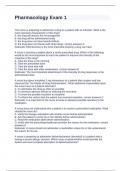
A patient has a new medication prescription and the nurse is providing education about
the drug. Which statement made by the patient would indicate The need for further
medication education?
A. I can consult my healthcare provider if I experience adverse effects.
B. If I take more, I'll have a better response.
C. Taking this drug with food will decrease how much drug gets into my system.
D. The liquid form of the drug works or faster than tablets. correct answers The answer
is B. If I take more, I'll have a better response. This means the patient needs to be
educated further about medication.
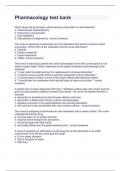
A combination of two different AntiHypertensive drugs in lower doses have been
ordered for a patient who is hypertensive has not been controlled by standard doses of
either drug along. The nursing student recognize the interaction between these two
drugs is known as what term?
A. Addition
B.Synergism
C. Antagonism
D. Displacement correct answers B. Synergism
A patient with cirrhosis of the liver has a Hepatic impairment. This will require what
possible changes? select all that apply
A. A reduction in the dosage of drugs.
B. A change in the timing of medication administration
C. And increased dose of prescribed drugs.
D. Giving all prescribe drugs by intermuscular injection.
E. More frequent monitoring for adverse drug affects. correct answers (A) A reduction
in the dosage
(B) A change in timing of medication of the medication administration
(E) more frequent monitoring for adverse drug effects.
The patient requires a drug that is known to be completely metabolized by the first pass
of fact. What change Will be needed when this drug is administered?
A. The drug must be given more frequently.
B. The drug must be given in higher doses.
C. The drug must be given in lipid soluble form.
D. The drug must be given by a non-oral route such as parenterally. correct answers D.
The drug must be given by a non-oral route such as parenterally.
A patient who is in renal failure may have a diminished capacity to excrete medications.
The nurse must assess the patient more frequently for what development?
A. Increased risk of allergy.
, B. Decreased therapeutic drug affects.
C.Increased risk of drug toxicity.
D. Increased absorption of drug from the intestines. correct answers C. Increased risk
of drug toxicity.
What is the rationale for administration of a loading dose of a drug?
A. It decreases the number of doses that must be given.
B. It results in lower dosages required to achieve therapeutic effects.
C. It decreases the risk of drug toxicity.
D. It more rapidly build plasma drug levels to a plateau level. correct answers D. It
more rapidly build plasma drug levels to a plateau level.
What is the role of the nurse in medication administration? Select all that apply
A. Ensure that medications Are administered and deliver it in a safe manner.
B. Be certain that the healthcare provider orders are accurate.
C. Inform the patient that prescribe medications need to be taken only if patient agrees
with the treatment plan.
D. Ensure that the patient understands they use in administration techniques for all
prescribe medications.
E. Prevent adverse drug reactions by properly administering all medications. correct
answers A. Ensure that medications are administered and delivered in a safe manner.
D. Ensure that the patient understands they use in administration techniques for all
prescribe medications.
Before administering drugs by enteral route, the nurse should evaluate which of the
following?
A. Ability of the patient to lie supine.
B. Compatibility of the drug with intravenous fluid.
C. Ability of the patient to swallow.
D. Patency of the injection portal. correct answers C. Ability of the patient to swallow.
While the nurse takes the patient's admission history, the patient describes having a
severe allergy to an antibiotic . What is the nurses responsibility to prevent an allergic
reaction? Select all that apply
A. Instruct the patient to alert all providers about the allergy.
B.Document the allergy in the medical record.
C. Notify the provider And the pharmacy of the allergy and the type of allergic reaction.
D. Place an allergy bracelet on the patient.
E. Instructed patient not to allow anyone to give the antibiotic. correct answers B.
Document the allergy in the medical record.
C. Notify the provider and the pharmacy of the allergy and type of allergic reaction.
D. Place an allergy bracelet on the patient.
The order reads, "Lasix 40 mg IV STAT." Which of the following actions should the
nurse take? correct answers Administer the medication within 5 minutes of the order
A patient has a new medication prescription and the nurse is providing education about
the drug. Which statement made by the patient would indicate The need for further
medication education?
A. I can consult my healthcare provider if I experience adverse effects.
B. If I take more, I'll have a better response.
C. Taking this drug with food will decrease how much drug gets into my system.
D. The liquid form of the drug works or faster than tablets. correct answers The answer
is B. If I take more, I'll have a better response. This means the patient needs to be
educated further about medication.
A combination of two different AntiHypertensive drugs in lower doses have been
ordered for a patient who is hypertensive has not been controlled by standard doses of
either drug along. The nursing student recognize the interaction between these two
drugs is known as what term?
A. Addition
B.Synergism
C. Antagonism
D. Displacement correct answers B. Synergism
A patient with cirrhosis of the liver has a Hepatic impairment. This will require what
possible changes? select all that apply
A. A reduction in the dosage of drugs.
B. A change in the timing of medication administration
C. And increased dose of prescribed drugs.
D. Giving all prescribe drugs by intermuscular injection.
E. More frequent monitoring for adverse drug affects. correct answers (A) A reduction
in the dosage
(B) A change in timing of medication of the medication administration
(E) more frequent monitoring for adverse drug effects.
The patient requires a drug that is known to be completely metabolized by the first pass
of fact. What change Will be needed when this drug is administered?
A. The drug must be given more frequently.
B. The drug must be given in higher doses.
C. The drug must be given in lipid soluble form.
D. The drug must be given by a non-oral route such as parenterally. correct answers D.
The drug must be given by a non-oral route such as parenterally.
A patient who is in renal failure may have a diminished capacity to excrete medications.
The nurse must assess the patient more frequently for what development?
A. Increased risk of allergy.
, B. Decreased therapeutic drug affects.
C.Increased risk of drug toxicity.
D. Increased absorption of drug from the intestines. correct answers C. Increased risk
of drug toxicity.
What is the rationale for administration of a loading dose of a drug?
A. It decreases the number of doses that must be given.
B. It results in lower dosages required to achieve therapeutic effects.
C. It decreases the risk of drug toxicity.
D. It more rapidly build plasma drug levels to a plateau level. correct answers D. It
more rapidly build plasma drug levels to a plateau level.
What is the role of the nurse in medication administration? Select all that apply
A. Ensure that medications Are administered and deliver it in a safe manner.
B. Be certain that the healthcare provider orders are accurate.
C. Inform the patient that prescribe medications need to be taken only if patient agrees
with the treatment plan.
D. Ensure that the patient understands they use in administration techniques for all
prescribe medications.
E. Prevent adverse drug reactions by properly administering all medications. correct
answers A. Ensure that medications are administered and delivered in a safe manner.
D. Ensure that the patient understands they use in administration techniques for all
prescribe medications.
Before administering drugs by enteral route, the nurse should evaluate which of the
following?
A. Ability of the patient to lie supine.
B. Compatibility of the drug with intravenous fluid.
C. Ability of the patient to swallow.
D. Patency of the injection portal. correct answers C. Ability of the patient to swallow.
While the nurse takes the patient's admission history, the patient describes having a
severe allergy to an antibiotic . What is the nurses responsibility to prevent an allergic
reaction? Select all that apply
A. Instruct the patient to alert all providers about the allergy.
B.Document the allergy in the medical record.
C. Notify the provider And the pharmacy of the allergy and the type of allergic reaction.
D. Place an allergy bracelet on the patient.
E. Instructed patient not to allow anyone to give the antibiotic. correct answers B.
Document the allergy in the medical record.
C. Notify the provider and the pharmacy of the allergy and type of allergic reaction.
D. Place an allergy bracelet on the patient.
The order reads, "Lasix 40 mg IV STAT." Which of the following actions should the
nurse take? correct answers Administer the medication within 5 minutes of the order