The Evolution of Canine
Domestication
Evolutionary Biology Report
Canine domestication is said to be among the first domestications known in human
history. Domestication is defined as “a long process during which humans, by selecting animals
for future crosses, are able to modify a number of physiological and behavioral traits, generations
after generations” (Galibert et al. 2011). The first canine domestication process has been dated to
about 14000 BC. Some DNA evidence suggests that canine domestication originally started in
,2
the Middle East then later spread throughout the world. The evolution of canines has been the
cause of the split between wolf and dog species. With phylogenetic observations, factors such as
changes in morphology, behavior, and human impact on canine domestication as a whole
supports the claim that modern dogs are descendants from wolves.
Introduction to the Canine Species
The canine species were the first known organisms that had been domesticated. Some
reasons why dogs were the first animal to be domesticated was due to their strong senses which
aided in human survival such as hunting and protection from invaders. The Canis lupus
familiaris, also known as the modern domesticated dog, is part of the genus Canis and is a
terrestrial carnivore. The closest known dog ancestor is the wolf otherwise known as Canis lupus
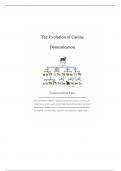
(Figure 1). The modern dog and the wolf share 98% of their mitochondrial DNA (Galibert et al,
2011). Hominids were said to be the first to start the domestication process of canines. Some
evidence that proves this is that fossils of hominids and wolves have been found in very close
proximity to each other in northern parts of North China. These fossils date back to
approximately 30,000 years ago. This is not the only location in which hominid and wolf fossils
have been found near each other. More fossils were found in a cave in France that dated back to
approximately 15,000 years ago. This evidence suggests that wolves and hominids shared
common territories and would live amongst each other. Whether they depended on each other for
survival however is unknown, but it is predicted that these interactions were not bothersome to
either the hominids or the canines. It was said that canine domestication did not start with the
hominids because their brains probably did not have the ability to domesticate an animal. The
reason why the canine fossils were found in such close proximity was because they were
attracted to the food or areas were these hominids settled. With years of this behavior, canines
, 3
were so used to being around humans that they could have just lived peacefully near each other.
During the hunter-gatherer period, hunters were said to tame wolves to help them look for food.
Even though they used wolves to assist them in survival, they also used wolves as a food source
as well as used their fur to make clothing and shelter. Domestication could be associated with
natural selection in a way that these canines that originally started as wolves became so
accustomed to being around humans and depending on them, that they ultimately became their
own species and were then more easily domesticated and became more of a human companion.
The History of Dog Domestication
Canines today, specifically dogs, have many purposes which include protection, helping
out with herds of animals, and being alongside humans as pets that are kept in households.
Wolves and dogs have split into different species around 100,000 years ago. After the split of
dogs from wolves, the domestication process had occurred. A common misconception includes
that the domestication of canines had also included the domestication of wolves however, the
dog had been the only canine to have been domesticated this long ago. Canines were first being
domesticated 15,000 years ago which was much later after wolves and dogs evolved into two
different species. Today, according to the American Kennel Club, there are about 400 known dog
breeds. The reason why there are so many breeds is due to artificial selection caused by humans.
There were originally three distinct ancient dog breeds that were brought up in three different
regions. These three ancient breeds were found in the Middle East, Asia, and Northern Europe.
The dog breeds that are well known today are descendants from these three original ancestral
dog breeds. The oldest dog breed to the modern dog was named Saluki. Saluki originated in
ancient Mesopotamia in the Sumerian era around 7000-6000 BC. Some paintings indicate that
the saluki breed of dogs would be companions to humans. In ancient Egypt, dogs were used for
Domestication
Evolutionary Biology Report
Canine domestication is said to be among the first domestications known in human
history. Domestication is defined as “a long process during which humans, by selecting animals
for future crosses, are able to modify a number of physiological and behavioral traits, generations
after generations” (Galibert et al. 2011). The first canine domestication process has been dated to
about 14000 BC. Some DNA evidence suggests that canine domestication originally started in
,2
the Middle East then later spread throughout the world. The evolution of canines has been the
cause of the split between wolf and dog species. With phylogenetic observations, factors such as
changes in morphology, behavior, and human impact on canine domestication as a whole
supports the claim that modern dogs are descendants from wolves.
Introduction to the Canine Species
The canine species were the first known organisms that had been domesticated. Some
reasons why dogs were the first animal to be domesticated was due to their strong senses which
aided in human survival such as hunting and protection from invaders. The Canis lupus
familiaris, also known as the modern domesticated dog, is part of the genus Canis and is a
terrestrial carnivore. The closest known dog ancestor is the wolf otherwise known as Canis lupus
(Figure 1). The modern dog and the wolf share 98% of their mitochondrial DNA (Galibert et al,
2011). Hominids were said to be the first to start the domestication process of canines. Some
evidence that proves this is that fossils of hominids and wolves have been found in very close
proximity to each other in northern parts of North China. These fossils date back to
approximately 30,000 years ago. This is not the only location in which hominid and wolf fossils
have been found near each other. More fossils were found in a cave in France that dated back to
approximately 15,000 years ago. This evidence suggests that wolves and hominids shared
common territories and would live amongst each other. Whether they depended on each other for
survival however is unknown, but it is predicted that these interactions were not bothersome to
either the hominids or the canines. It was said that canine domestication did not start with the
hominids because their brains probably did not have the ability to domesticate an animal. The
reason why the canine fossils were found in such close proximity was because they were
attracted to the food or areas were these hominids settled. With years of this behavior, canines
, 3
were so used to being around humans that they could have just lived peacefully near each other.
During the hunter-gatherer period, hunters were said to tame wolves to help them look for food.
Even though they used wolves to assist them in survival, they also used wolves as a food source
as well as used their fur to make clothing and shelter. Domestication could be associated with
natural selection in a way that these canines that originally started as wolves became so
accustomed to being around humans and depending on them, that they ultimately became their
own species and were then more easily domesticated and became more of a human companion.
The History of Dog Domestication
Canines today, specifically dogs, have many purposes which include protection, helping
out with herds of animals, and being alongside humans as pets that are kept in households.
Wolves and dogs have split into different species around 100,000 years ago. After the split of
dogs from wolves, the domestication process had occurred. A common misconception includes
that the domestication of canines had also included the domestication of wolves however, the
dog had been the only canine to have been domesticated this long ago. Canines were first being
domesticated 15,000 years ago which was much later after wolves and dogs evolved into two
different species. Today, according to the American Kennel Club, there are about 400 known dog
breeds. The reason why there are so many breeds is due to artificial selection caused by humans.
There were originally three distinct ancient dog breeds that were brought up in three different
regions. These three ancient breeds were found in the Middle East, Asia, and Northern Europe.
The dog breeds that are well known today are descendants from these three original ancestral
dog breeds. The oldest dog breed to the modern dog was named Saluki. Saluki originated in
ancient Mesopotamia in the Sumerian era around 7000-6000 BC. Some paintings indicate that
the saluki breed of dogs would be companions to humans. In ancient Egypt, dogs were used for