

Osman Yousuf – Unit 20 – Assignment 1
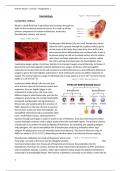
Haematology Figure 1 - Blood Composition
Composition of Blood
Blood is a body fluid that is specialised and circulates through our
body via the circulatory system to tissues. It is made up of four
primary components to include erythrocytes, leukocytes,
thrombocytes, plasma, and serum.
Figure 2 - RBCs Structure
Erythrocytes (Red Blood Cells) are small, flexible discs which
allow the cell to squeeze through the capillary walls to get to
certain areas of the body, they come from stem stells in the
bone marrow which differentiate into red blood cells, it also is
biconcave giving the cell an increased surface area to volume
ratio, there are fewer organelles, such as no nucleus, within
the cell to provide increased space for haemoglobin, thus
maximising oxygen uptake. Its primary function is to transport oxygen around the body, to tissues. It
does this by each haemoglobin molecule binding to four oxygen molecules, the haemoglobin
molecules are located close to the cell membrane and therefore there is a short diffusion distance of
oxygen to get to the haemoglobin and bind to it. Each erythrocyte carries one billion molecules of
oxygen. The normal reference range of red blood cells in male adults is 4.5-6.5 (10 12/L) and in female
adults it is 3.8-5.8 (1012/L). Figure 3 - WBCs Types and Function
Leukocytes (White Blood Cells) are cells that
serve and are a part of the immune system and
responses, they are slightly bigger in size
compared to erythrocytes. We have many
different types of white blood cells, put into the
categories, granulocytes (to include Neutrophils,
Eosinophil, and Basophil) and Agranulocytes
(Monocytes and Lymphocytes) the structure of
WBC’s depends on the type of cell it is however,
they do have nuclei, but lacks haemoglobin. An
exemplified white blood cell is neutrophils which
have a multi-lobed nucleus, allowing them to
squeeze through pores/gaps in walls, to travel to site of infections, they also have lysosomes which
contain hydrolytic enzymes used to digest material that the neutrophil ingests. The primary function
of leukocytes is to protect the body by fighting off infections, by identifying and targeting antigens
and pathogens, this can be exemplified with b-lymphocytes producing antibodies which ‘tags’
antigens for phagocytosis and can neutralise toxins from bacteria. The normal reference range of
WBCs for adults is 4.0-11.0 (109/L) depending on whether there is an infection/disease ongoing.
Thrombocytes (Platelets) are small cell fragments which come Figure 4 - Thrombocyte Structure
from large, rare cells in the bone marrow (Megakaryocytes) that
have been broken down into thousands of fragments and releases these platelets into the
bloodstream. They have no nucleus, but they do have mitochondria (production of ATP), lysosomes,
and microtubules (tubulin, a protein, which aids in platelet resting shape) the platelet membrane is
composed of a phospholipid bilayer. The function of platelets is primarily to clot blood. It does this by
1
, Osman Yousuf – Unit 20 – Assignment 1
being attracted to collagen (which becomes exposed when a blood vessel is torn) they gather to the
site of injury, endothelial cells release von
Willebrand factor to help the adhesion of platelets
to collagen. These platelets are activated and thus
change shape to spiny spheres. An abundance of
platelets gathers at site of injury by the platelets
releasing chemical signals to inform other
fragmented cells, until the wound is patched. A
further reinforcement of the patch of the wound is
then needed and clotting factors convert fibrinogen
(a protein) into fibrin which forms a clot to prevent
excessive blood loss, this also enables healing to
occur and after the wound has healed and new
tissues grow, the fibrin clot dissolves. The normal reference range of platelets in adults is 150-450 (10
9
/L) depending on if there is an injury.
Figure 5 - Serum and Plasma
Plasma is the liquid component of blood; it is
formed from the water and salts absorbed
through the digestive system into the
bloodstream. It consists of 90% water which
carries our erythrocytes, leukocytes, and
thrombocytes around the body, it contains
coagulants such as fibrinogen to aid in blood
clotting, plasma maintains the osmotic pressure
of the body by proteins such as albumin and
globulin, plasma maintains the pH of blood by
electrolytes of sodium and potassium, plasma
contains immunoglobulins and antibodies to
fight infections and thus aid in protecting the body from various pathogens. The primary role of
plasma is to carry hormones, proteins, and nutrients to certain areas of the body. The normal
reference range of plasma in females is 28-43 mL/kg and in males 25-44 mL/kg.
Serum is the component of blood, a part of plasma that lacks coagulation factors, therefore it cannot
clot blood. It also does not contain WBCs, RBCs, and Platelets, it does contain its proteins such as
albumin, immunoglobulins, electrolytes, antibodies, and hormones. The main function of blood
serum is to transport the proteins, hormones, and ions, for the normal functioning of muscles and
nerves. The normal reference range for serum blood is 3.4-5.4 g/dL.
Diseases of the Blood Figure 6 - Reed Sternberg Cell
Hodgkin’s Lymphoma
Classical Hodgkin’s lymphoma is a type of abnormal blood cancer of
the immune and lymphatic system. The exact cause for Hodgkin’s is
unknown, however it occurs when there is a mutation of DNA, which
affects the b-lymphocytes (within lymph). The B-lymphocytes start to
multiply, expand in volume, and increase in quantity in an abnormal
2
Haematology Figure 1 - Blood Composition
Composition of Blood
Blood is a body fluid that is specialised and circulates through our
body via the circulatory system to tissues. It is made up of four
primary components to include erythrocytes, leukocytes,
thrombocytes, plasma, and serum.
Figure 2 - RBCs Structure
Erythrocytes (Red Blood Cells) are small, flexible discs which
allow the cell to squeeze through the capillary walls to get to
certain areas of the body, they come from stem stells in the
bone marrow which differentiate into red blood cells, it also is
biconcave giving the cell an increased surface area to volume
ratio, there are fewer organelles, such as no nucleus, within
the cell to provide increased space for haemoglobin, thus
maximising oxygen uptake. Its primary function is to transport oxygen around the body, to tissues. It
does this by each haemoglobin molecule binding to four oxygen molecules, the haemoglobin
molecules are located close to the cell membrane and therefore there is a short diffusion distance of
oxygen to get to the haemoglobin and bind to it. Each erythrocyte carries one billion molecules of
oxygen. The normal reference range of red blood cells in male adults is 4.5-6.5 (10 12/L) and in female
adults it is 3.8-5.8 (1012/L). Figure 3 - WBCs Types and Function
Leukocytes (White Blood Cells) are cells that
serve and are a part of the immune system and
responses, they are slightly bigger in size
compared to erythrocytes. We have many
different types of white blood cells, put into the
categories, granulocytes (to include Neutrophils,
Eosinophil, and Basophil) and Agranulocytes
(Monocytes and Lymphocytes) the structure of
WBC’s depends on the type of cell it is however,
they do have nuclei, but lacks haemoglobin. An
exemplified white blood cell is neutrophils which
have a multi-lobed nucleus, allowing them to
squeeze through pores/gaps in walls, to travel to site of infections, they also have lysosomes which
contain hydrolytic enzymes used to digest material that the neutrophil ingests. The primary function
of leukocytes is to protect the body by fighting off infections, by identifying and targeting antigens
and pathogens, this can be exemplified with b-lymphocytes producing antibodies which ‘tags’
antigens for phagocytosis and can neutralise toxins from bacteria. The normal reference range of
WBCs for adults is 4.0-11.0 (109/L) depending on whether there is an infection/disease ongoing.
Thrombocytes (Platelets) are small cell fragments which come Figure 4 - Thrombocyte Structure
from large, rare cells in the bone marrow (Megakaryocytes) that
have been broken down into thousands of fragments and releases these platelets into the
bloodstream. They have no nucleus, but they do have mitochondria (production of ATP), lysosomes,
and microtubules (tubulin, a protein, which aids in platelet resting shape) the platelet membrane is
composed of a phospholipid bilayer. The function of platelets is primarily to clot blood. It does this by
1
, Osman Yousuf – Unit 20 – Assignment 1
being attracted to collagen (which becomes exposed when a blood vessel is torn) they gather to the
site of injury, endothelial cells release von
Willebrand factor to help the adhesion of platelets
to collagen. These platelets are activated and thus
change shape to spiny spheres. An abundance of
platelets gathers at site of injury by the platelets
releasing chemical signals to inform other
fragmented cells, until the wound is patched. A
further reinforcement of the patch of the wound is
then needed and clotting factors convert fibrinogen
(a protein) into fibrin which forms a clot to prevent
excessive blood loss, this also enables healing to
occur and after the wound has healed and new
tissues grow, the fibrin clot dissolves. The normal reference range of platelets in adults is 150-450 (10
9
/L) depending on if there is an injury.
Figure 5 - Serum and Plasma
Plasma is the liquid component of blood; it is
formed from the water and salts absorbed
through the digestive system into the
bloodstream. It consists of 90% water which
carries our erythrocytes, leukocytes, and
thrombocytes around the body, it contains
coagulants such as fibrinogen to aid in blood
clotting, plasma maintains the osmotic pressure
of the body by proteins such as albumin and
globulin, plasma maintains the pH of blood by
electrolytes of sodium and potassium, plasma
contains immunoglobulins and antibodies to
fight infections and thus aid in protecting the body from various pathogens. The primary role of
plasma is to carry hormones, proteins, and nutrients to certain areas of the body. The normal
reference range of plasma in females is 28-43 mL/kg and in males 25-44 mL/kg.
Serum is the component of blood, a part of plasma that lacks coagulation factors, therefore it cannot
clot blood. It also does not contain WBCs, RBCs, and Platelets, it does contain its proteins such as
albumin, immunoglobulins, electrolytes, antibodies, and hormones. The main function of blood
serum is to transport the proteins, hormones, and ions, for the normal functioning of muscles and
nerves. The normal reference range for serum blood is 3.4-5.4 g/dL.
Diseases of the Blood Figure 6 - Reed Sternberg Cell
Hodgkin’s Lymphoma
Classical Hodgkin’s lymphoma is a type of abnormal blood cancer of
the immune and lymphatic system. The exact cause for Hodgkin’s is
unknown, however it occurs when there is a mutation of DNA, which
affects the b-lymphocytes (within lymph). The B-lymphocytes start to
multiply, expand in volume, and increase in quantity in an abnormal
2


