NR 508 Chapter 18: Drugs Impacting the Hematopoietic System – Download for Review
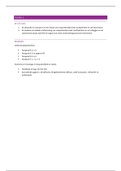
NR 508 Chapter 18: Drugs Affecting the Hematopoietic System – Download For Revision Overview Anticoagulants and antiplatelets Hematopoietic growth factors Iron preparations Folic acid Vitamin B12 Oral Anticoagulants Warfarin (Coumadin) o Inhibits synthesis of vitamin K-dependent clotting factors X, IX, VII, and II (prothrombin) Rivaroxaban (Xarelto) o Factor Xa inhibitor Apixaban (Eliquis) o Factor Xa inhibitor Parenteral Anticoagulants Heparin o Binds with the antithrombin III o Inactivates factors IXa, Xa, XIIa, XIII Low molecular weight heparin o Regular heparin is processed into smaller molecules o Enoxaparin (Lovenox), dalteparin (Fragmin) o Inactivates factor Xa Dabigatran o Direct thrombin inhibitor Fondaparinux (Arixta) o Selective inhibitor of antithrombin III and factor Xa inhibitor Warfarin Pharmacokinetics o Well-absorbed when taken orally o Half-life of 3 to 4 days Precautions and contraindications o Pregnancy category X o Use cautiously in patients with fall risk, dementia, or uncontrolled hypertension o Avoid in hypermetabolic state Adverse drug reactions o Bleeding ▪ Antidote is vitamin K Drug interactions o Many drug-drug interactions ▪ “FAB-4” fluconazole, amiodarone, sulfamethoxazole/trimethoprim (Bactrim) and metronidazole o Antiplatelet drugs o Thrombolytic drugs o Anticoagulant effect may be decreased by ▪ Oral contraceptives, carbamazepine, etc. ▪ Vitamin K-containing foods Clinical use and dosing o Drug of choice for deep vein thrombosis (DVT) and pulmonary embolism (PE) o Start at 5 mg per day (7.5 mg/d if weight greater than 80 kg) o Consider lower dose if ▪ Older than 75 years ▪ Multiple comorbid conditions ▪ Elevated liver enzymes ▪ Changing thyroid status o Dose to maintain international normalized ratio (INR) between 2 and 3 Monitoring o INR daily until in therapeutic range for 2 consecutive days o Then two or three times weekly for 1 to 2 weeks o Then less frequently but at least every 6 weeks Oral Anticoagulants Rivaroxaban (Xarelto) Apixaban (Eliquis) o Reduction of risk of stroke and systemic embolism in nonvalvular atrial fibrillation o Prophylaxis of DVT following knee replacement surgery o Treatment of DVT and PE Heparin Pharmacokinetics o Given IV or subcutaneously (SC) o Extensively protein-bound Precautions and contraindications o Pregnancy category C o Avoid in advanced hepatic or renal disease o Avoid in bleeding disorders or active bleeding Adverse drug reactions (ADRs) o May cause thrombocytopenia o Life-threatening bleeding o Pain at injection site (SC) o Antidote is protamine sulfate Drug interactions o Cephalosporins and penicillins o Warfarin, antiplatelets and thrombolytics o Valproic acid Clinical use and dosing o Heparin ▪ Given 2 hours pre-operatively ▪ Maintenance every 8 to 12 hours for 7 days after surgery o Low-molecular-weight heparin (LMWH) ▪ Enoxaparin • DVT or PE • Given 2 hours before surgery o Fondaparinux ▪ DVT ▪ Hip fracture surgery or knee replacement o Dalteparin ▪ Prevention of DVT after abdominal surgery or hip replacement Monitoring o Activated partial thromboplastin time o Platelet and hematocrit (Hct) every 2 to 3 days initially Patient Education for Anticoagulants Administration o Warfarin dosing may vary day to day o SC administration instruction for LMWH at home Antiplatelet Drugs Aspirin Ticlodipine Clopidrogrel Ticlopidine Rivaroxaban Pharmacokinetics o Aspirin ▪ Well-absorbed when taken orally ▪ Metabolized in liver ▪ Renally excreted (pH affects excretion) o Ticlopidine ▪ Rapidly absorbed after oral administration ▪ Metabolized in liver ▪ Half-life lengthens with repeated dosing ▪ Decreased renal clearance with age o Clopidogrel ▪ Prodrug: metabolized into active metabolite ▪ Excreted in urine and feces Precautions and contraindications o Aspirin ▪ Hypersensitivity • Cross-sensitivity with NSAIDs ▪ Pregnancy category C (D in third trimester) ▪ Reye syndrome in children o Clopidogrel and ticlopidine ▪ Avoid in patients with liver dysfunction ADRs o Aspirin ▪ Bleeding ▪ May cause gastrointestinal (GI) bleeding ▪ Salicylism (tinnitus) o Ticlopidine ▪ Neutropenia o Clopidogrel ▪ Bleeding Drug interactions o Concurrent use of other antiplatelet, anticoagulant, or fibrinolytic drugs o Aspirin ▪ Herbals (ginko, garlic, ginseng) ▪ NSAIDs o Clopidrogrel ▪ Proton pump inhibitors (PPIs) → pantoprazole is the safest choice for patients with a high risk of GI bleeding who require therapy with clopidogrel o Ticlopidine ▪ Digoxin ▪ Cimetadine Clinical use and dosing o Aspirin ▪ Myocardial infarction (MI) prevention: 75 to 162 mg daily ▪ Persistent atrial fibrillation: 75 to 325 mg daily ▪ Stroke or transient ischemic attacks: 50 to 100 mg daily o Clopidogrel ▪ MI prevention: 75 mg daily ▪ ST-elevation acute coronary syndrome: 300 mg daily if less than 75 years of age and 75 mg daily if more than 75 years of age o Ticlopidine ▪ Prevent stones in patients intolerant of acetylsalicylic acid: 250 mg twice daily Hematopoetic Growth Factors Epoetin alfa (Epogen, EPO, Procrit) and darbepoetin alfa (Aranesp) o Stimulates erythropoiesis (red blood cells) o Used for treatment of anemia due to end-stage renal disease, AIDS, or chemotherapy o Preoperatively to prepare for allogenic transfusions Granulocyte colony stimulating factor (filgrastim [Neuopgen], pegfilgrastim [Neulasta]) o Stimulates granulocyte formation o Neutropenia due to bone cancer and chemotherapy Pharmacokinetics o Well-absorbed SC o May be given IV Precautions o Epoetin alfa and darbepoetin alfa ▪ Hypertension (HTN) is only contraindication ▪ Increased risk of tumor growth ▪ Pregnancy category C o Filgrastim and pegfilgrastim ▪ Pregnancy category C ADRs o All can produce bone pain o Epoetin alfa and darbepoetin ▪ Seizures ▪ HTN ▪ Decreased overall survival rate and/or tumor growth in patients with certain cancers o Filgrastim and pegfilgrastim ▪ Hypersensitivity Clinical use and dosing o Epoetin alfa to treat anemia ▪ 50 to 150 U/kg three times/week depending on diagnosis ▪ For allogenic transfusion: 300 U/kg/day given 10 days prior to surgery, day of surgery, and for 4 days after surgery o Darbepoetin ▪ 0.45 to 2.25 mcg/kg once weekly Monitoring o Darbepoetin alfa: hemoglobin (Hgb) weekly o Eopetin alfa: Hct twice weekly, blood pressure o Ferritin for both Patient education o Administration ▪ Self-administration of SC medication ▪ Use of iron supplements ADRs o HTN and allergic reactions Iron Preparations Table 18-10 Build serum iron and iron storage in the body Pharmacokinetics o Enhanced absorption if iron stores low o Ferrous form is absorbed more readily o Food affects absorption o Eliminated via shedding of GI mucosal cells or via bleeding Precautions and contraindications o Hemochromatosis and hemolytic anemia ADRs o GI symptoms (constipation, GI upset, darkened stools) o Acute toxicity possible especially in children Drug interactions o Chelation o Decreased absorption Clinical use and dosing o Iron deficiency anemia ▪ Treatment for 3 to 4 months after Hgb/Hct return to normal ▪ Adults: 150 to 300 mg elemental iron daily ▪ Premature infants: 2 to 4 mg/kg/day ▪ Infants and young children: 4 to 6 mg/kg/day Monitoring o Reticulocyte count 7 to 10 days after starting therapy o Hgb at 2 weeks, then based on individual risk Patient education o Administration o Take on empty stomach, if tolerated o Take with vitamin C to enhance absorption o Avoid taking with dairy products, calcium, antacids ADRs o Constipation o Acute iron toxicity if overdose, keep away from children Folic Acid Table 18-12 Folic Acid deficiency causes o Poor intake o Impaired absorption o Increased demand o Impaired utilization Folic Acid Clinical Use o Anemia due to folic acid deficiency ▪ Initial dose: 1 mg/day in adults in children ▪ Maintenance dose • Infants 0.1 mg/day • Pregnant or lactating women: 0.8 mg/day o Prevention of folic acid deficiency ▪ 0.4 mg/day prior to conception and during pregnancy Vitamin B12 Table 18-15 Vitamin B12 deficiency etiology o Poor intake (vegans, vegetarians) o Impaired absorption due to lack of intrinsic factor, diseases of the ilium, stasis (constipation) o Gastrectomy, bariatric surgery Pharmacokinetics o IM, SC or intranasal well absorbed o Stored in liver and excreted in urine Clinical Use o Prevention of deficiency ▪ Pregnancy 2.2 mcg/day, lactation 2.6 mcg/day ▪ Infants 0.3 to 0.5 mcg/day ▪ Children age 1 to 10 years: 0.7 to 1.4 mcg/day o Treatment of deficiency ▪ 1000 mcg oral cobalamin daily for 6 to 12 weeks o Pernicious anemia ▪ Initial dose 1000 mcg/day IM or SC x 7 days, then 100 to 1000 mcg IM per week for a month o Maintenance: ▪ 1000 mcg IM monthly ▪ 500 mcg intranasal cyanocobalamin weekly ▪ 1000 mcg PO daily
Written for
- Institution
-
Chamberlain College Of Nursing
- Course
-
NR 508 / NR508
Document information
- Uploaded on
- July 8, 2024
- Number of pages
- 13
- Written in
- 2023/2024
- Type
- Other
- Person
- Unknown
Subjects
-
drugs affecting the hematopoietic