Sociology – identities
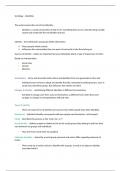
The social construction of self and identity –
- Identity is a social construction in that it isn’t something that occurs naturally, being socially
caused and created by the socialisation process
Identity – how individuals and groups define themselves
Places people within society
Influences the communities they are apart of and social circles they belong to
Sources of identity – labels are important because individuals attach a type of importance to them
Based on characteristics:
- Social class
- Gender
- Ethnicity
Socialisation – forms and transmits both culture and identities form one generation to the next
- Individuals are not free to adopt any identity they like, impacted by existing factors, such as
social class and ethnic group, that influence how others see them
Changes to identity – maintaining different identities in different circumstances
- Are likely to change over time, may see themselves as different from when they were
younger or change in correspondence with job roles
Types of identity
- There are many forms of identity and sources from which people draw their identities
Woodward – individual identity corresponds with how people see themselves; ‘self-concept’
Mead – described this process as the ‘inner me’, or ‘I’
Social identity – defines people in relation to the to the social groups they belong in and how they
vary between the groups and individuals
- May arise from social roles (occupation)
Collective identities – shared by a social group, personal and social, differ regarding elements of
choice
- There must be an active choice to identify with a group, as well as to adopt an identity
associated with it
The social construction of self and identity –
- Identity is a social construction in that it isn’t something that occurs naturally, being socially
caused and created by the socialisation process
Identity – how individuals and groups define themselves
Places people within society
Influences the communities they are apart of and social circles they belong to
Sources of identity – labels are important because individuals attach a type of importance to them
Based on characteristics:
- Social class
- Gender
- Ethnicity
Socialisation – forms and transmits both culture and identities form one generation to the next
- Individuals are not free to adopt any identity they like, impacted by existing factors, such as
social class and ethnic group, that influence how others see them
Changes to identity – maintaining different identities in different circumstances
- Are likely to change over time, may see themselves as different from when they were
younger or change in correspondence with job roles
Types of identity
- There are many forms of identity and sources from which people draw their identities
Woodward – individual identity corresponds with how people see themselves; ‘self-concept’
Mead – described this process as the ‘inner me’, or ‘I’
Social identity – defines people in relation to the to the social groups they belong in and how they
vary between the groups and individuals
- May arise from social roles (occupation)
Collective identities – shared by a social group, personal and social, differ regarding elements of
choice
- There must be an active choice to identify with a group, as well as to adopt an identity
associated with it