‘La Belle Dame sans Merci’ - Keats (1819) - Regency era
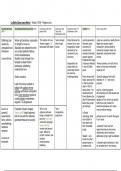
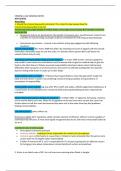
Key ideas about love Key techniques/ features about love (AO2) Comparison with other Comparison with Comparison with ‘The Context (AO3) Critics’ views (AO5)
(AO1) poems (AO4) ‘Tess of the Go-Between’ (AO4)
D'Urbervilles’ (AO4)
Suffering/ pain Winter apt backdrop- impossible ‘The Garden of Love’ Tess’s despair Knight deceived by second-generation -Lady as a seductive, deadly femme
caused by for knight to move on; -flower imagery: ‘lily’ when Angel woman/ by his own Romantic poet; fatale who causes knight’s
unrequited love/ Subdued tone created from the associated with death leaves imagination/ reader reverence for exhaustion+ spiritual death in
infatuation very outset (pathetic fallacy) deceived by his natural world; contrast to society’s ideals of a
narrative & Leo’s emotional intensity; dependent, submissive+meek
mirrors hopelessness;
discovery; reaction against woman
Love and loss Sudden brutal change from Enlightenment (age
fairytale to bleak+forlorn Imagination can of reason) reflected -Power dynamics: she lulls him to
landscape- unfaltering, shape reality so in rise of Gothic sleep; he has been enchanted/
melancholic tone profoundly that the genre duped by her
two become
Gothic narrative indistinguishable Poem infused with -Does the allegory hold truth?
Keats’ personal life repetition of ‘wild’ has moral
Lack of rhyming couplets in in that his brother purpose/
ballad with quatrain rhyme died in 1818 of
tuberculosis + his may be a warning against
scheme symbolises unrequited
relationship with all-consuming love that causes loss
love; cyclic structure (typical to Fanny Brawne (he of judgement;
contain refrain) emphasises died of tuberculosis dangers of love, which can quickly
anguish - no progression before they could shift into a kind of death if it
get married) becomes obsessive as it drains
Love is a Fairytale/ chivalric imagery ‘Who so list’ Tess = one’s emotional energy;
powerful, ‘faery’s child’ knight admires/ -physical sickness manipulative In Greek
supernatural falls in love with her ethereal being a metaphor for seductress mythology, Siren perhaps love is not worth the agony
force, which is goodness+beauty too quickly pain felt: ‘fever-dew’ lured sailors to it can cause
-sensuous language their death with
overwhelming;
‘palely loitering’ their irresistible -sympathy? lady may feel
medieval -women are beyond songs regret+remorse as she knows
romance reach, difficult to relationship cannot continue /
control+ restrain, less ‘Ballad’ = very deliberate crying to get his attention
Love as an civilised, lyrical song that
intoxicant unconventional, people dance to - / criticise knight’s behaviour in that
rebellious enhances the he recreates her in his memory,
Key ideas about love Key techniques/ features about love (AO2) Comparison with other Comparison with Comparison with ‘The Context (AO3) Critics’ views (AO5)
(AO1) poems (AO4) ‘Tess of the Go-Between’ (AO4)
D'Urbervilles’ (AO4)
Suffering/ pain Winter apt backdrop- impossible ‘The Garden of Love’ Tess’s despair Knight deceived by second-generation -Lady as a seductive, deadly femme
caused by for knight to move on; -flower imagery: ‘lily’ when Angel woman/ by his own Romantic poet; fatale who causes knight’s
unrequited love/ Subdued tone created from the associated with death leaves imagination/ reader reverence for exhaustion+ spiritual death in
infatuation very outset (pathetic fallacy) deceived by his natural world; contrast to society’s ideals of a
narrative & Leo’s emotional intensity; dependent, submissive+meek
mirrors hopelessness;
discovery; reaction against woman
Love and loss Sudden brutal change from Enlightenment (age
fairytale to bleak+forlorn Imagination can of reason) reflected -Power dynamics: she lulls him to
landscape- unfaltering, shape reality so in rise of Gothic sleep; he has been enchanted/
melancholic tone profoundly that the genre duped by her
two become
Gothic narrative indistinguishable Poem infused with -Does the allegory hold truth?
Keats’ personal life repetition of ‘wild’ has moral
Lack of rhyming couplets in in that his brother purpose/
ballad with quatrain rhyme died in 1818 of
tuberculosis + his may be a warning against
scheme symbolises unrequited
relationship with all-consuming love that causes loss
love; cyclic structure (typical to Fanny Brawne (he of judgement;
contain refrain) emphasises died of tuberculosis dangers of love, which can quickly
anguish - no progression before they could shift into a kind of death if it
get married) becomes obsessive as it drains
Love is a Fairytale/ chivalric imagery ‘Who so list’ Tess = one’s emotional energy;
powerful, ‘faery’s child’ knight admires/ -physical sickness manipulative In Greek
supernatural falls in love with her ethereal being a metaphor for seductress mythology, Siren perhaps love is not worth the agony
force, which is goodness+beauty too quickly pain felt: ‘fever-dew’ lured sailors to it can cause
-sensuous language their death with
overwhelming;
‘palely loitering’ their irresistible -sympathy? lady may feel
medieval -women are beyond songs regret+remorse as she knows
romance reach, difficult to relationship cannot continue /
control+ restrain, less ‘Ballad’ = very deliberate crying to get his attention
Love as an civilised, lyrical song that
intoxicant unconventional, people dance to - / criticise knight’s behaviour in that
rebellious enhances the he recreates her in his memory,