

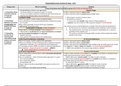
Charges Registry Issues: Purchase of Target – SGS 9
Charges entry Why is it a problem Solutions
If none of the below work BUYER to ask for REDUCTION IN PURCHASE PRICE
Check Definitions of Buyer’s loan agreement: Negative Pledge
1. Outstanding charge is Buyer defined as company & its subs? (i.e Group) (1) Buyer could ask its bank for Waiver Letter
secured by property if so, once Target is acquired, it will become part of the Group and (2) Buyer could ask its bank to amend Negative Pledge clause
of Target dd. therefore the following clauses may be breached:
31/10/2013 (1) Negative Pledge Allow Target’s security to remain in place
Once T is in group, it will be caught by Negative Pledge Amendment to consist of:
2. Outstanding i.e Co will ensure no Co in group creates/permits to subsist any security 1. a carve-out re each specific charge shown in Charges Register; or
debenture secured by over its assets 2. general carve-out re assets of ‘after-acquired companies’: LMA 23.3(c)(vi):
all undertaking and Buyer will be potentially in breach of NP upon completion
property and assets Look out for: De minimis proviso “Any security over any asset that becomes a member of the Group after the Agreement if:
of Target dd. CONSEQUENCE OF BREACH = EVENT OF DEFAULT a. The Security was not created in contemplation of the acquisition of that company;
18/07/2014 Allows Bank to call Event of Default (“Other ObligationS”) b. The principal amount secured has not increased in contemplation of, or since the
-> Allows bank to: accelerate loan and cancel commitments and declare acquisition of the company; and
3. Outstanding loan due & payable immediately or on demand c. The security is removed or discharged within 6 months of that company becoming a
security doc by -> look for carve-outs member of the Group.”
secured on the -> grace period of 5 business days for B to rectify breach
undertaking and all (2) No Financial Indebtedness undertaking No Financial Indebtedness
property and assets
Once T is in group, it will be caught by this undertaking (1) Buyer could ask its bank for Waiver Letter
of Target dd.
Ensures no member of Group creates/permits to subsist any ‘Financial (2) Buyer could ask its bank to amend clause
18/07/2014
Indebtedness’ (defined) unless ‘Permitted Financial Indebtedness’ (3) Buyer could ask bank to increase loan made available under the facility agreement so that
T has granted security in favour of 3 banks (i.e financial indebtedness) it can repay the T’s loan to release the security -> no more Financial Indebtedness!
On completion -> Buyer will ‘permit F.I to subsist’ -> BREACH MR04 to be submitted to CH to have charge marked as ‘satisfied”
SAME CONSEQUENCES AS NEGATIVE PLEDGE
(3) Structural Subordination Structural Subordination
Buyer’s bank will be concerned that it will be structurally subordinated (1) Buyer’s bank could take security from T as a condition of any Waiver or Variation to loan
to lenders of Target facility agreement btw Buyer and the said bank
Bcs on a winding-up -> Order of Priority will be observed re T’s assets: Bank will become ‘secured creditor’ (i.e higher in order of priority)
(1) T’s secured creditors, (2) Buyer’s bank could take guarantee from T as a condition of any Waiver or Variation to
(2) T’s unsecured creditors loan facility agreement btw Buyer and the said bank
(3) Shareholders (B) contractual right to T’s assets
Buyer’s bank is therefore exposed if B’s only assets are shares in its Bank will become ‘unsecured creditor’ (i.e higher in order of priority
subsidiary (T) (3) Inter-creditor agreement between Buyer’s bank and Target’s banks
on winding-up, SHs unlikely to get anything! regulate how assets would be divided-up on insolvency of Target
Charges entry Why is it a problem Solutions
If none of the below work BUYER to ask for REDUCTION IN PURCHASE PRICE
Check Definitions of Buyer’s loan agreement: Negative Pledge
1. Outstanding charge is Buyer defined as company & its subs? (i.e Group) (1) Buyer could ask its bank for Waiver Letter
secured by property if so, once Target is acquired, it will become part of the Group and (2) Buyer could ask its bank to amend Negative Pledge clause
of Target dd. therefore the following clauses may be breached:
31/10/2013 (1) Negative Pledge Allow Target’s security to remain in place
Once T is in group, it will be caught by Negative Pledge Amendment to consist of:
2. Outstanding i.e Co will ensure no Co in group creates/permits to subsist any security 1. a carve-out re each specific charge shown in Charges Register; or
debenture secured by over its assets 2. general carve-out re assets of ‘after-acquired companies’: LMA 23.3(c)(vi):
all undertaking and Buyer will be potentially in breach of NP upon completion
property and assets Look out for: De minimis proviso “Any security over any asset that becomes a member of the Group after the Agreement if:
of Target dd. CONSEQUENCE OF BREACH = EVENT OF DEFAULT a. The Security was not created in contemplation of the acquisition of that company;
18/07/2014 Allows Bank to call Event of Default (“Other ObligationS”) b. The principal amount secured has not increased in contemplation of, or since the
-> Allows bank to: accelerate loan and cancel commitments and declare acquisition of the company; and
3. Outstanding loan due & payable immediately or on demand c. The security is removed or discharged within 6 months of that company becoming a
security doc by -> look for carve-outs member of the Group.”
secured on the -> grace period of 5 business days for B to rectify breach
undertaking and all (2) No Financial Indebtedness undertaking No Financial Indebtedness
property and assets
Once T is in group, it will be caught by this undertaking (1) Buyer could ask its bank for Waiver Letter
of Target dd.
Ensures no member of Group creates/permits to subsist any ‘Financial (2) Buyer could ask its bank to amend clause
18/07/2014
Indebtedness’ (defined) unless ‘Permitted Financial Indebtedness’ (3) Buyer could ask bank to increase loan made available under the facility agreement so that
T has granted security in favour of 3 banks (i.e financial indebtedness) it can repay the T’s loan to release the security -> no more Financial Indebtedness!
On completion -> Buyer will ‘permit F.I to subsist’ -> BREACH MR04 to be submitted to CH to have charge marked as ‘satisfied”
SAME CONSEQUENCES AS NEGATIVE PLEDGE
(3) Structural Subordination Structural Subordination
Buyer’s bank will be concerned that it will be structurally subordinated (1) Buyer’s bank could take security from T as a condition of any Waiver or Variation to loan
to lenders of Target facility agreement btw Buyer and the said bank
Bcs on a winding-up -> Order of Priority will be observed re T’s assets: Bank will become ‘secured creditor’ (i.e higher in order of priority)
(1) T’s secured creditors, (2) Buyer’s bank could take guarantee from T as a condition of any Waiver or Variation to
(2) T’s unsecured creditors loan facility agreement btw Buyer and the said bank
(3) Shareholders (B) contractual right to T’s assets
Buyer’s bank is therefore exposed if B’s only assets are shares in its Bank will become ‘unsecured creditor’ (i.e higher in order of priority
subsidiary (T) (3) Inter-creditor agreement between Buyer’s bank and Target’s banks
on winding-up, SHs unlikely to get anything! regulate how assets would be divided-up on insolvency of Target


