Avi Dodhia L6J2
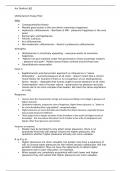
Utilitarianism Essay Plan:
Intro
Consequentialist theory
Morally good action is the one which maximises happiness
Hedonistic utilitarianism – Bentham & Mill – pleasure/ happiness is the only
good
Democratic and Egalitarian.
Felicific Calculus.
Act utilitarianism.
Non-hedonistic utilitarianism – Nozick’s preference utilitarianism.
Strengths:
Utilitarianism is intuitively appealing – everyone wants to maximise
happiness.
“Nature has put mankind under the governance of two sovereign masters
– pleasure and pain”. Makes sense theory centred around those two.
Quantitatively measurable.
Issue 1:
Egalitarianism and democratic approach is critiqued as a “swine
philosophy” – pursuing pleasure at all costs – doesn’t seem like a correct
moral theory for humans if there is no recognition of our distinguishing
factor, reason, - degrades that humas ought to purse pleasure at all costs.
Oversimplistic view of human nature – governance by pleasure and pain
means we’re no more complex than beasts. We have the same aspirations
as a pig.
Response:
Humans have the characteristics of logic and reason permitting us to indulge in pleasures of
higher character.
Qualitative emphasis, progressive view of happiness; higher/lower pleasures i.e. “better to
be a fool dissatisfied than a pig satisfied”; competent judges.
Higher pleasures are more desirable and valuable than lower pleasures, especially because
they provide long-term fulfilment.
These judges have a deeper sensation of the limitations in the world and higher faculty of
knowledge – this may induce discontent, but it is better to live a life of unhappiness and
dignity rather than ignorance and content.
Response to response:
People may be tempted to only attain lower pleasures, there is no
guarantee that they will always choose the higher pleasures; this
questions whether higher pleasures actually are more valuable.
R to R to R:
Higher pleasures are more valuable, but people may have a weakness of
will, so choose lower pleasures for the instant sensory satisfaction (fall into
periodic temptation). May not have the opportunity to attain higher
pleasures due to poor education, for example.
When people are completely acquainted with both lower and higher
pleasures they will realise that higher pleasures are more valuable.
Utilitarianism Essay Plan:
Intro
Consequentialist theory
Morally good action is the one which maximises happiness
Hedonistic utilitarianism – Bentham & Mill – pleasure/ happiness is the only
good
Democratic and Egalitarian.
Felicific Calculus.
Act utilitarianism.
Non-hedonistic utilitarianism – Nozick’s preference utilitarianism.
Strengths:
Utilitarianism is intuitively appealing – everyone wants to maximise
happiness.
“Nature has put mankind under the governance of two sovereign masters
– pleasure and pain”. Makes sense theory centred around those two.
Quantitatively measurable.
Issue 1:
Egalitarianism and democratic approach is critiqued as a “swine
philosophy” – pursuing pleasure at all costs – doesn’t seem like a correct
moral theory for humans if there is no recognition of our distinguishing
factor, reason, - degrades that humas ought to purse pleasure at all costs.
Oversimplistic view of human nature – governance by pleasure and pain
means we’re no more complex than beasts. We have the same aspirations
as a pig.
Response:
Humans have the characteristics of logic and reason permitting us to indulge in pleasures of
higher character.
Qualitative emphasis, progressive view of happiness; higher/lower pleasures i.e. “better to
be a fool dissatisfied than a pig satisfied”; competent judges.
Higher pleasures are more desirable and valuable than lower pleasures, especially because
they provide long-term fulfilment.
These judges have a deeper sensation of the limitations in the world and higher faculty of
knowledge – this may induce discontent, but it is better to live a life of unhappiness and
dignity rather than ignorance and content.
Response to response:
People may be tempted to only attain lower pleasures, there is no
guarantee that they will always choose the higher pleasures; this
questions whether higher pleasures actually are more valuable.
R to R to R:
Higher pleasures are more valuable, but people may have a weakness of
will, so choose lower pleasures for the instant sensory satisfaction (fall into
periodic temptation). May not have the opportunity to attain higher
pleasures due to poor education, for example.
When people are completely acquainted with both lower and higher
pleasures they will realise that higher pleasures are more valuable.