Chapter 33 Elder Abuse and Neglect
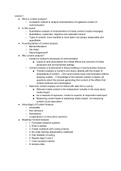
Elder abuse and neglect - ANS-complex, serious functional consequence affecting
vulnerable older adults
- Detection, assessment, and interventions require interdisciplinary approach
- Now recognized as a major social, public health problem and a significant aspect of
domestic violence
Elder abuse vs. elder mistreatment - ANS-get definitions
Three basic categories: - ANS-- Domestic elder abuse
- Institutional elder abuse
- Self-neglect or self-abuse
Seven Major Types or Forms - ANS-- Physical abuse
- Sexual abuse
- Emotional or psychological abuse
- Neglect
- Abandonment
- Financial/material abuse/exploitation
- Self-neglect
Risk Factors for Elder Abuse and Neglect - ANS-- Multiple risk factors develop over a
long period
- Invisibility and vulnerability occur in most situations
- Common psychosocial risk factors: impaired cognition and long-term mental illness
- Caregiver risk factors
Caregivers who may abuse due to: - ANS-- Life stresses
- Pathologic characteristics
- Personality characteristics
- Insufficient resources
- Lack of understanding of older adult's condition
Invisibility and Vulnerability - ANS-- Vast majority of cases go unreported
- Social, personal, situational, and environmental factors associated with vulnerability
- Older adults may have less contact with the outside world
- Older adults reluctant to admit to abuse/neglect
, - Significant psychosocial limitations due to dementia, depression, and mental health
issues
- Absence of close relatives and other support persons able or willing to provide
adequate assistance
Administrative problems within institutions - ANS-- Lack of abuse prevention policies
- Insufficient staff screening
- Inadequate staff education and training
- Staff shortages and turnover
Nursing Assessment of Abused or Neglected Older Adults - ANS-- Elder abuse is
detected
- Assessment begins with suspicion about its existence
- Home visit is an essential component
- Difficult to determine the onset of abuse
- Clues may be ignored in hopes that the situation will resolve by itself
Physical Health - ANS-- Nutrition and hydration: seriousness and urgency of situation
- Injuries, bruises, and other physical harm: poor wound healing; burns from stove,
cigarettes, or hot water; bruises, swelling, or injuries from falls, especially repeated falls
- Degree of frailty
- Pathologic conditions: assess the ability to follow medical regimens (medication
administration)
- Infections
Activities of Daily Living (ADLs) - ANS-- Safety of performing ADLs
- Assessment of home environment
- Ability to obtain help in an emergency
Psychosocial Function - ANS-- Capacity for reasonable judgments about self-care
- Impaired cognition
limitations - ANS-
Support Resources - ANS-- Caregivers, friends, relatives, and significant others who
influence person's physical and psychosocial function
- Helpful or Detrimental
- Caregivers can be perpetrators
Environmental Influences - ANS-- Assessment of environment for identification of risks
Elder abuse and neglect - ANS-complex, serious functional consequence affecting
vulnerable older adults
- Detection, assessment, and interventions require interdisciplinary approach
- Now recognized as a major social, public health problem and a significant aspect of
domestic violence
Elder abuse vs. elder mistreatment - ANS-get definitions
Three basic categories: - ANS-- Domestic elder abuse
- Institutional elder abuse
- Self-neglect or self-abuse
Seven Major Types or Forms - ANS-- Physical abuse
- Sexual abuse
- Emotional or psychological abuse
- Neglect
- Abandonment
- Financial/material abuse/exploitation
- Self-neglect
Risk Factors for Elder Abuse and Neglect - ANS-- Multiple risk factors develop over a
long period
- Invisibility and vulnerability occur in most situations
- Common psychosocial risk factors: impaired cognition and long-term mental illness
- Caregiver risk factors
Caregivers who may abuse due to: - ANS-- Life stresses
- Pathologic characteristics
- Personality characteristics
- Insufficient resources
- Lack of understanding of older adult's condition
Invisibility and Vulnerability - ANS-- Vast majority of cases go unreported
- Social, personal, situational, and environmental factors associated with vulnerability
- Older adults may have less contact with the outside world
- Older adults reluctant to admit to abuse/neglect
, - Significant psychosocial limitations due to dementia, depression, and mental health
issues
- Absence of close relatives and other support persons able or willing to provide
adequate assistance
Administrative problems within institutions - ANS-- Lack of abuse prevention policies
- Insufficient staff screening
- Inadequate staff education and training
- Staff shortages and turnover
Nursing Assessment of Abused or Neglected Older Adults - ANS-- Elder abuse is
detected
- Assessment begins with suspicion about its existence
- Home visit is an essential component
- Difficult to determine the onset of abuse
- Clues may be ignored in hopes that the situation will resolve by itself
Physical Health - ANS-- Nutrition and hydration: seriousness and urgency of situation
- Injuries, bruises, and other physical harm: poor wound healing; burns from stove,
cigarettes, or hot water; bruises, swelling, or injuries from falls, especially repeated falls
- Degree of frailty
- Pathologic conditions: assess the ability to follow medical regimens (medication
administration)
- Infections
Activities of Daily Living (ADLs) - ANS-- Safety of performing ADLs
- Assessment of home environment
- Ability to obtain help in an emergency
Psychosocial Function - ANS-- Capacity for reasonable judgments about self-care
- Impaired cognition
limitations - ANS-
Support Resources - ANS-- Caregivers, friends, relatives, and significant others who
influence person's physical and psychosocial function
- Helpful or Detrimental
- Caregivers can be perpetrators
Environmental Influences - ANS-- Assessment of environment for identification of risks