a. explaintwotypes of government intervention thatcould be usedtocorrectthemarket failurearising
1
from the consumption ofdemerit goods
efinition - Tax and market regulations
D
Taxation: The government can impose higher taxes on demerit goods to discourage their consumption. By
levying specific taxes, such as excise taxes, on demerit goods like tobacco or alcohol, the government can
increase their prices, making them less affordable and less attractive to consumers. This tax revenue can
then be used to fund public health campaigns or programs aimed at mitigating the negative consequences
associated with demerit goods.
Regulation: Market regulation, in the context of demerit goods consumption, involves government
interventions to mitigate the negative effects of these goods on individuals and society. For instance,
imposing a price ceiling on cigarettes can be a form of market regulation. The price ceiling sets a
maximum price for cigarettes, preventing sellers from charging prices above that limit. This measure aims
to discourage excessive consumption, especially among vulnerable populations, by making cigarettes
more affordable. By implementing a price ceiling, the government seeks to correct market failures
associated with the consumption of demerit goods.
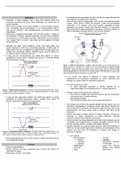
Graph
nalysis
A
Taxation and market regulations can play a crucial role in correcting market failures associated with
tobacco consumption. Imposing higher taxes on tobacco products increases their prices, reducing demand
and discouraging consumption, particularly among price-sensitive individuals. The revenue generated
from these taxes can be allocated towards public health initiatives, anti-smoking campaigns, and
healthcare services, addressing the negative externalities caused by tobacco. Additionally, market
regulations such as advertising restrictions, graphic warning labels, and age restrictions on purchasing
tobacco can help mitigate the appeal and accessibility of tobacco products, particularly to vulnerable
populations like youth. By combining taxation and market regulations, governments can correct market
failures related to tobacco by reducing consumption, promoting public health, and mitigating the social
and health costs associated with tobacco use.
1
from the consumption ofdemerit goods
efinition - Tax and market regulations
D
Taxation: The government can impose higher taxes on demerit goods to discourage their consumption. By
levying specific taxes, such as excise taxes, on demerit goods like tobacco or alcohol, the government can
increase their prices, making them less affordable and less attractive to consumers. This tax revenue can
then be used to fund public health campaigns or programs aimed at mitigating the negative consequences
associated with demerit goods.
Regulation: Market regulation, in the context of demerit goods consumption, involves government
interventions to mitigate the negative effects of these goods on individuals and society. For instance,
imposing a price ceiling on cigarettes can be a form of market regulation. The price ceiling sets a
maximum price for cigarettes, preventing sellers from charging prices above that limit. This measure aims
to discourage excessive consumption, especially among vulnerable populations, by making cigarettes
more affordable. By implementing a price ceiling, the government seeks to correct market failures
associated with the consumption of demerit goods.
Graph
nalysis
A
Taxation and market regulations can play a crucial role in correcting market failures associated with
tobacco consumption. Imposing higher taxes on tobacco products increases their prices, reducing demand
and discouraging consumption, particularly among price-sensitive individuals. The revenue generated
from these taxes can be allocated towards public health initiatives, anti-smoking campaigns, and
healthcare services, addressing the negative externalities caused by tobacco. Additionally, market
regulations such as advertising restrictions, graphic warning labels, and age restrictions on purchasing
tobacco can help mitigate the appeal and accessibility of tobacco products, particularly to vulnerable
populations like youth. By combining taxation and market regulations, governments can correct market
failures related to tobacco by reducing consumption, promoting public health, and mitigating the social
and health costs associated with tobacco use.