AHIP Module 5 questions and correct answers 2024
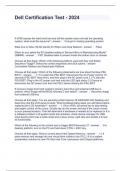
Mr. Chen is enrolled in his employer's group health plan and will be retiring soon. He would like to know his options since he has decided to drop his retiree coverage and is eligible for Medicare. What should you tell him? - correct answerMr. Chen can disenroll from his employer-sponsored coverage to elect a Medicare Advantage or Part D plan within 2 months of his disenrollment, but he should revaluate if he really wants to drop his employer coverage. Mr. Rockwell, age 67, is enrolled in Medicare Part A, but because he continues to work and is covered by an employer health plan, he has not enrolled in Part B or Part D. He receives a notice on June 1 that his employer is cutting back on prescription drug benefits and that as of July 1 his coverage will no longer be creditable. He has come to you for advice. What advice would you give Mr. Rockwell about special enrollment periods (SEPs)? - correct answerMr. Rockwell is eligible for a SEP due to his involuntary loss of creditable drug coverage; the SEP begins in June and ends September 1 - two months after the loss of creditable coverage. Mr. White has Medicare Parts A and B with a Part D plan. Last year, he received a notice that his plan sponsor identified him as a "potential at-risk" beneficiary. This month, he started receiving assistance from Medicaid. He wants to find a different Part D plan that's more suitable to his current prescription drug needs. He believes he's entitled to a SEP since he is now a dual eligible. Is he able to change to a different Part D plan during a SEP for dual eligible individuals? - correct answerNo. Once he is identified by the plan sponsor as a "potential at-risk" beneficiary, he cannot use the dual eligible SEP to change plans while this designation is in place. Mr. Johannsen is entitled to Medicare Part A and Part B. He gains the Part D low-income subsidy. How does that affect his ability to enroll or disenroll in a Part D plan? - correct answerHe qualifies for a special election period and can enroll in or disenroll from a Part D plan once during that period. Mrs. Schmidt is moving and a friend told her she might qualify for a "Special Election Period" to enroll in a new Medicare Advantage plan. She contacted you to ask what a Special Election Period is. What could you tell her? - correct answerIt is a time period, outside of the Annual Election Period, when a Medicare beneficiary can select a new or different Medicare Advantage and/or Part D prescription drug plan. Typically the Special Election Period is beneficiary specific and results from events, such as when the beneficiary moves outside of the service area.
École, étude et sujet
- Établissement
- Ahip
- Cours
- Ahip
Infos sur le Document
- Publié le
- 10 juin 2024
- Nombre de pages
- 4
- Écrit en
- 2023/2024
- Type
- Examen
- Contient
- Questions et réponses
Sujets

Document également disponible en groupe