CHAPTER 4:
Overview:
- Nick makes a list of some of the people who attended Gatsby’s parties in the summer of 1922.
- Gatsby invites Nick to lunch in New York. Gatsby tells Nick a story about his past.
- At lunch Nick meets Meyer Wolfshiem, a notorious gambler.
- Nick meets Jordan for dinner and she explains that Gatsby and Daisy used to be in love.
Structure of the chapter:
The chapter has three parts to it.
Nick lists Gatsby’s party guests. Nick drops names as if the reader should recognise them as celebrities. He also lists
their misbehaviour – they’re remembered for gambling, for ‘a fight with a bum’, and more sinister behaviour. One
guest ‘killed himself’ and another ‘strangled his wife’. This emphasises the darkness beneath the wealthy, carefree
and lavish lifestyle.
Gatsby takes Nick to lunch with Wolfshiem. It is the first time the reader catches a glimpse of the real Gatsby. His
connection with Wolfshiem raises the suspicion that Gatsby may be a criminal.
However, Jordan’s description of Gatsby’s past romance with Daisy gives a different impression of Gatsby – it
portrays him as an innocent, romantic young soldier and shows another side of his personality.
Names and their meaning:
The list of guests who visit Gatsby’s part is a comic set piece. The tone is quite distinct from the lyrical style that Nick
often uses. Note that there are plant names – ‘Orchid’ ‘Duckweed’; animal names – ‘Ferret’ ‘Klipspringer’; and names
of sea creatures – ‘Hammerhead’ ‘Beluga’.
Some of these names make the party guests seem like caricatures rather than rounded and realistic characters. This
should draw our attention to the impact a name can have. The novel tells a story of a man who has changed his
name for a reason. James Gatz becomes Jay Gatsby so that he may appear a more glamorous individual.
The Great Gatsby shares its name with it’s central character. It is important to pay close attention to the names of
characters. Tom Buchanan has Scottish ancestry.
Meyer Wolfshiem’s family origins are Jewish. A New Historicist reading of the novel may focus on Wolfshiem’s
Jewish identity and point out that prominent American gangsters during the 1920s often came from these
backgrounds. E.g. Al Capone was a song of Italian immigrants. A reason for their criminality might be that they found
lawful routes to success blocked by their ethnic origins.
Gatz is a Germanic name, and American had recently been at war with Germany.
Gatsby’s past remains ambiguous:
The chapter opens with the ‘world and his mistress’ casually sharing rumours about Gatsby’s identity, showing that
the relaxed guests have no concerns about their host’s potential corruption.
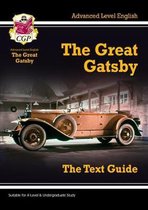
Gatsby’s car:
Nick observes, ‘I’d seen it. Everybody had seen it’. To describe its size, he compares it with a monster, which suggests
disapproval in spite of his ‘admiration’ and calls it ‘swollen’ because of all the boxes.
To describe the windscreens, he extends the monstrous metaphor by evoking the Minotaur, as the car is ‘terraced
with a labyrinth of wind shields that mirrored a dozen suns’. His car takes the natural light and multiplies it,
reinforcing the flamboyance of a wealthy man who wants to be noticed.
Overview:
- Nick makes a list of some of the people who attended Gatsby’s parties in the summer of 1922.
- Gatsby invites Nick to lunch in New York. Gatsby tells Nick a story about his past.
- At lunch Nick meets Meyer Wolfshiem, a notorious gambler.
- Nick meets Jordan for dinner and she explains that Gatsby and Daisy used to be in love.
Structure of the chapter:
The chapter has three parts to it.
Nick lists Gatsby’s party guests. Nick drops names as if the reader should recognise them as celebrities. He also lists
their misbehaviour – they’re remembered for gambling, for ‘a fight with a bum’, and more sinister behaviour. One
guest ‘killed himself’ and another ‘strangled his wife’. This emphasises the darkness beneath the wealthy, carefree
and lavish lifestyle.
Gatsby takes Nick to lunch with Wolfshiem. It is the first time the reader catches a glimpse of the real Gatsby. His
connection with Wolfshiem raises the suspicion that Gatsby may be a criminal.
However, Jordan’s description of Gatsby’s past romance with Daisy gives a different impression of Gatsby – it
portrays him as an innocent, romantic young soldier and shows another side of his personality.
Names and their meaning:
The list of guests who visit Gatsby’s part is a comic set piece. The tone is quite distinct from the lyrical style that Nick
often uses. Note that there are plant names – ‘Orchid’ ‘Duckweed’; animal names – ‘Ferret’ ‘Klipspringer’; and names
of sea creatures – ‘Hammerhead’ ‘Beluga’.
Some of these names make the party guests seem like caricatures rather than rounded and realistic characters. This
should draw our attention to the impact a name can have. The novel tells a story of a man who has changed his
name for a reason. James Gatz becomes Jay Gatsby so that he may appear a more glamorous individual.
The Great Gatsby shares its name with it’s central character. It is important to pay close attention to the names of
characters. Tom Buchanan has Scottish ancestry.
Meyer Wolfshiem’s family origins are Jewish. A New Historicist reading of the novel may focus on Wolfshiem’s
Jewish identity and point out that prominent American gangsters during the 1920s often came from these
backgrounds. E.g. Al Capone was a song of Italian immigrants. A reason for their criminality might be that they found
lawful routes to success blocked by their ethnic origins.
Gatz is a Germanic name, and American had recently been at war with Germany.
Gatsby’s past remains ambiguous:
The chapter opens with the ‘world and his mistress’ casually sharing rumours about Gatsby’s identity, showing that
the relaxed guests have no concerns about their host’s potential corruption.
Gatsby’s car:
Nick observes, ‘I’d seen it. Everybody had seen it’. To describe its size, he compares it with a monster, which suggests
disapproval in spite of his ‘admiration’ and calls it ‘swollen’ because of all the boxes.
To describe the windscreens, he extends the monstrous metaphor by evoking the Minotaur, as the car is ‘terraced
with a labyrinth of wind shields that mirrored a dozen suns’. His car takes the natural light and multiplies it,
reinforcing the flamboyance of a wealthy man who wants to be noticed.