TMN3705 Assignment 02: 100 Marks
Question 1
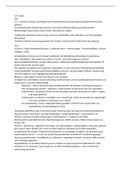
1.1 Briefly distinguish between science and technology as curriculum
subjects separately. When answering this question, describe the two
subjects and indicate their role in society.
Science:
Science is the systematic study of the natural world through observation and
experimentation. It encompasses various disciplines such as biology, chemistry, physics,
and earth sciences. The scientific method, which involves forming hypotheses, conducting
experiments, and analyzing data, is fundamental to scientific inquiry.
Role in Society:
Science plays a crucial role in society by advancing our understanding of the natural world
and its phenomena. It drives technological innovation, informs public policy, and enhances
quality of life through medical advancements, environmental conservation, and improved
agricultural practices. Scientific literacy enables individuals to make informed decisions
about health, safety, and environmental sustainability.
Technology:
Technology involves the application of scientific knowledge for practical purposes, especially
in industry. It focuses on the creation of tools, machines, systems, and processes that solve
problems and improve human life. Technology education emphasizes the design process,
problem-solving, and the development of technological literacy.
Role in Society:
Technology is a driving force for social change and economic development. It enhances
productivity, fosters innovation, and provides solutions to complex challenges in areas such
as communication, transportation, healthcare, and energy. Technological literacy equips
individuals with the skills to navigate and contribute to a rapidly evolving technological
landscape, promoting personal and professional growth.
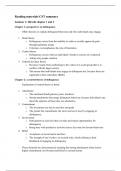
,Role of the Teacher and Learner in Natural Science and Technology Classrooms
Natural Science:
Role of the Teacher:
Ensure the availability of correct resources and teaching materials.
Create effective lesson plans aligned with the curriculum.
Treat all learners equally.
Maintain control of the classroom environment.
Understanding Facilitation: Ensure learners understand the content being taught.
Role of the Learner:
Be an active part of the learning process at all times.
Pay attention during lessons.
Attend class regularly to avoid falling behind.
Organize time effectively to complete assigned work.
Technology:
Role of the Teacher:
Ensure all learners participate in lessons.
Ensure learners understand the lesson content.
Provide accurate assessments and necessary feedback.
Accommodate all learners, including those with learning disabilities.
Role of the Learner:
Actively participate in the lessons presented by the teacher.
Ask questions if they do not understand something.
Complete assignments and seek help if needed.
Contribute to discussions and group activities.
Approaches in Science and Technology Education
Science-Technology-Society (STS) Approach:
This approach emphasizes curricula organized around societal issues, fostering connections
between classrooms and the real world. It highlights technological innovation as a catalyst
for social change and focuses on problem-solving skills.
, Integrated Subject Approach:
This approach integrates multiple subjects to provide a comprehensive understanding of
technology and its connections with science and mathematics. It emphasizes the
interrelatedness of these disciplines and their collective impact on technological literacy.
1.1 Briefly explain how you think science should be taught in schools.
Science should be taught using an inquiry-based learning approach, where
learners actively engage in the learning process by asking questions, conducting
experiments, and analyzing data. This method fosters curiosity and critical
thinking, allowing learners to develop a deeper understanding of scientific
concepts and the scientific method. Engaging learners in hands-on experiments
is crucial for providing practical experience and demonstrating the real-world
applications of theoretical knowledge. Through these experiments, learners can
observe phenomena, test hypotheses, and understand the relevance of science
in everyday life.
(2004:9), Gumbo and Makgato (2008:25), Mapotse (2001:60)
Integrating technology into science teaching can significantly enhance the
learning experience. Digital tools, simulations, and virtual labs make complex
scientific concepts more accessible and engaging, helping learners visualize
abstract ideas and conduct experiments that may not be feasible in a traditional
classroom setting. Additionally, adopting an interdisciplinary approach that links
science with subjects like mathematics, technology, and engineering (STEM)
provides a holistic understanding of the interconnectedness of different fields,
preparing learners for real-world problem-solving.
Emphasizing conceptual understanding over rote memorization is essential in
science education. Teachers should ensure that learners grasp underlying
principles and can apply them to various situations through discussions,
problem-solving activities, and project-based learning.
Question 1
1.1 Briefly distinguish between science and technology as curriculum
subjects separately. When answering this question, describe the two
subjects and indicate their role in society.
Science:
Science is the systematic study of the natural world through observation and
experimentation. It encompasses various disciplines such as biology, chemistry, physics,
and earth sciences. The scientific method, which involves forming hypotheses, conducting
experiments, and analyzing data, is fundamental to scientific inquiry.
Role in Society:
Science plays a crucial role in society by advancing our understanding of the natural world
and its phenomena. It drives technological innovation, informs public policy, and enhances
quality of life through medical advancements, environmental conservation, and improved
agricultural practices. Scientific literacy enables individuals to make informed decisions
about health, safety, and environmental sustainability.
Technology:
Technology involves the application of scientific knowledge for practical purposes, especially
in industry. It focuses on the creation of tools, machines, systems, and processes that solve
problems and improve human life. Technology education emphasizes the design process,
problem-solving, and the development of technological literacy.
Role in Society:
Technology is a driving force for social change and economic development. It enhances
productivity, fosters innovation, and provides solutions to complex challenges in areas such
as communication, transportation, healthcare, and energy. Technological literacy equips
individuals with the skills to navigate and contribute to a rapidly evolving technological
landscape, promoting personal and professional growth.
,Role of the Teacher and Learner in Natural Science and Technology Classrooms
Natural Science:
Role of the Teacher:
Ensure the availability of correct resources and teaching materials.
Create effective lesson plans aligned with the curriculum.
Treat all learners equally.
Maintain control of the classroom environment.
Understanding Facilitation: Ensure learners understand the content being taught.
Role of the Learner:
Be an active part of the learning process at all times.
Pay attention during lessons.
Attend class regularly to avoid falling behind.
Organize time effectively to complete assigned work.
Technology:
Role of the Teacher:
Ensure all learners participate in lessons.
Ensure learners understand the lesson content.
Provide accurate assessments and necessary feedback.
Accommodate all learners, including those with learning disabilities.
Role of the Learner:
Actively participate in the lessons presented by the teacher.
Ask questions if they do not understand something.
Complete assignments and seek help if needed.
Contribute to discussions and group activities.
Approaches in Science and Technology Education
Science-Technology-Society (STS) Approach:
This approach emphasizes curricula organized around societal issues, fostering connections
between classrooms and the real world. It highlights technological innovation as a catalyst
for social change and focuses on problem-solving skills.
, Integrated Subject Approach:
This approach integrates multiple subjects to provide a comprehensive understanding of
technology and its connections with science and mathematics. It emphasizes the
interrelatedness of these disciplines and their collective impact on technological literacy.
1.1 Briefly explain how you think science should be taught in schools.
Science should be taught using an inquiry-based learning approach, where
learners actively engage in the learning process by asking questions, conducting
experiments, and analyzing data. This method fosters curiosity and critical
thinking, allowing learners to develop a deeper understanding of scientific
concepts and the scientific method. Engaging learners in hands-on experiments
is crucial for providing practical experience and demonstrating the real-world
applications of theoretical knowledge. Through these experiments, learners can
observe phenomena, test hypotheses, and understand the relevance of science
in everyday life.
(2004:9), Gumbo and Makgato (2008:25), Mapotse (2001:60)
Integrating technology into science teaching can significantly enhance the
learning experience. Digital tools, simulations, and virtual labs make complex
scientific concepts more accessible and engaging, helping learners visualize
abstract ideas and conduct experiments that may not be feasible in a traditional
classroom setting. Additionally, adopting an interdisciplinary approach that links
science with subjects like mathematics, technology, and engineering (STEM)
provides a holistic understanding of the interconnectedness of different fields,
preparing learners for real-world problem-solving.
Emphasizing conceptual understanding over rote memorization is essential in
science education. Teachers should ensure that learners grasp underlying
principles and can apply them to various situations through discussions,
problem-solving activities, and project-based learning.