AFRICAN AMERICAN CIVIL RIGHTS TIMELINE
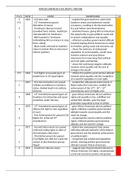
P/L/S DATE EVENT SIGNIFICANCE G/B
S 1865 - Civil War ends - enabled the government to control the
P/S - 13th Amendment passed Southern states and implement martial
(liberation of slaves) occupancy, resulting in the Reconstruction
S - Freedman’s Bureau formed Era and further Acts/Amendments
(provided food, shelter, healthcare - abolished slavery, giving African Americans
and education for freedmen) the opportunity to gain political, social and
S - KKK founded in Tennessee economic independence and equality
(intimidating African Aricans to stop - reflected a positive governmental attitude
them voting) towards helping African Americans to adapt
S - Black Codes enforced in Southern to freedom, giving social and economic aid
states (maintain African Americans’ - shows the existence of widespread
inferior position) opposition to racial equality, would cause
extreme violence and stop African
Americans from exercising their political
and civil rights and liberties
- shows the continuing negative attitudes
towards racial equality and the lack of
change in the South
P/S 1866 - Civil Rights Act passed (gave all - reflects the positive governmental attitude
people born in US equal rights) towards racial equality and the recognition
of a need for legislation on civil rights
1867 - First Reconstruction Act passed - avoided the widespread enforcement of
S (military surveillance in Southern Black Codes/Jim Crow laws, enabled the
states, divided South into military enforcement of the 13th / 14th / 15th
districts) Amendments and Civil Rights Acts
th
1868 - 14 Amendment passed (gave all - gave African Americans de jure political
P freedmen US citizenship and equal rights and equality in law, solidified and
protection under the law) united their identity, gave the legal
protection equivalent to that of whites
th
1870 - 15 Amendment passed (gave all - gave African Americans de jure political
P citizens the right to vote regardless rights, reflected a positive governmental
of race) attitude towards racial equality and the
- First Enforcement Act passed (Civil need for change
P Rights Act, enforced 15th - recognised the need to enforce political
Amendment) rights, reflected positive governmental
attitude and the need for change
1871 - Second Enforcement Act passed - federal law overpowered state power
P (enforced voting rights in spite of reflecting ultimate authority of the federal
discriminatory state laws) government and the absolute enforcement
- Third Enforcement Act passed of political rights
(Civil Rights Act, KKK Act, made the - recognised and condemned opposition
S actions of discriminatory groups parties, showing positive governmental
illegal) attitude towards African Americans
S 1872 - Freedman’s Bureau closes - suggests lack of governmental interest in
African American civil rights, caused greater
social and economic poverty and greater
P/L/S DATE EVENT SIGNIFICANCE G/B
S 1865 - Civil War ends - enabled the government to control the
P/S - 13th Amendment passed Southern states and implement martial
(liberation of slaves) occupancy, resulting in the Reconstruction
S - Freedman’s Bureau formed Era and further Acts/Amendments
(provided food, shelter, healthcare - abolished slavery, giving African Americans
and education for freedmen) the opportunity to gain political, social and
S - KKK founded in Tennessee economic independence and equality
(intimidating African Aricans to stop - reflected a positive governmental attitude
them voting) towards helping African Americans to adapt
S - Black Codes enforced in Southern to freedom, giving social and economic aid
states (maintain African Americans’ - shows the existence of widespread
inferior position) opposition to racial equality, would cause
extreme violence and stop African
Americans from exercising their political
and civil rights and liberties
- shows the continuing negative attitudes
towards racial equality and the lack of
change in the South
P/S 1866 - Civil Rights Act passed (gave all - reflects the positive governmental attitude
people born in US equal rights) towards racial equality and the recognition
of a need for legislation on civil rights
1867 - First Reconstruction Act passed - avoided the widespread enforcement of
S (military surveillance in Southern Black Codes/Jim Crow laws, enabled the
states, divided South into military enforcement of the 13th / 14th / 15th
districts) Amendments and Civil Rights Acts
th
1868 - 14 Amendment passed (gave all - gave African Americans de jure political
P freedmen US citizenship and equal rights and equality in law, solidified and
protection under the law) united their identity, gave the legal
protection equivalent to that of whites
th
1870 - 15 Amendment passed (gave all - gave African Americans de jure political
P citizens the right to vote regardless rights, reflected a positive governmental
of race) attitude towards racial equality and the
- First Enforcement Act passed (Civil need for change
P Rights Act, enforced 15th - recognised the need to enforce political
Amendment) rights, reflected positive governmental
attitude and the need for change
1871 - Second Enforcement Act passed - federal law overpowered state power
P (enforced voting rights in spite of reflecting ultimate authority of the federal
discriminatory state laws) government and the absolute enforcement
- Third Enforcement Act passed of political rights
(Civil Rights Act, KKK Act, made the - recognised and condemned opposition
S actions of discriminatory groups parties, showing positive governmental
illegal) attitude towards African Americans
S 1872 - Freedman’s Bureau closes - suggests lack of governmental interest in
African American civil rights, caused greater
social and economic poverty and greater