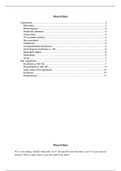
Meta-Ethics
Cognitivism....................................................................................................................3
Naturalism................................................................................................................ 3
Ethical Egoism.......................................................................................................... 3
Hedonistic utilitarian:.................................................................................................4
Virtue ethics.............................................................................................................. 4
The is/ought question...............................................................................................5
Non-naturalism.........................................................................................................5
Intuitionism............................................................................................................... 5
Consequentialist intuitionism....................................................................................5
Deontological intuitionism p. 150..............................................................................6
Naturalistic fallacy.....................................................................................................6
Rationalism............................................................................................................... 6
Hume........................................................................................................................ 7
Non cognitivism.............................................................................................................7
Emotivism p.158-162................................................................................................7
Prescriptivism p.164-167..........................................................................................9
Class notes: Non-cognitivism..................................................................................10
Emotivism............................................................................................................... 10
Prescriptivism......................................................................................................... 11
Meta-Ethics
We’re not asking ‘should i take path a or b’ the question now becomes: can I ever get such an
answer? Does it make sense to get any truth from ethics?
, Looking at what’s happening in the bigger picture
Can we find truth in ethics?
The boy is on the chair
● Can determine if it’s true
● See if there is a boy, if there is a chair
● Can figure out if it’s true or false- it’s truth-apt
The boy is morally good
● Might have disagreements
● I have a visual sense, but do i have a moral sense in the same way?
Cognitive meta-ethics and non-cognitive
● Can i ever figure out the truth?
● Can i know things, is there truth-aptness in morality
● Or is morality non-cognitive, something i cannot know
○ More about opinions
○ Than truth
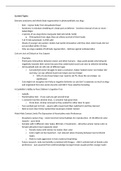
Video notes
● What is the meaning of moral statements?
● Can moral statements be true or false
● Are there objective moral facts
● Is morality universal or relative
● What does it mean to say that something is good or wrong
● Cognitivism is the view that moral statements are truth-apt
● Noncognitivism denies that moral statements are truth apt
○ Morality does not attempt to describe the world
○ Usually emotion
● Are moral statements truth apt
○ Yes: cognitivism
○ No: no cognitivism
● Moral error theory
○ All moral statements are false
○ When i make a moral statement, there are no objective descriptions for ‘god’
‘bad’ ‘wrong’ or ‘rigght’
● Moral realism
○ Absolutism
○ Doesn't matter how many believe it
○ Morality is real no matter how many thin about it
○ Like gravity- doesnt depend on us
○ Are moral properties natural properties?
■ Natural- come to know about through empiricism
● Noncognitive
Cognitivism....................................................................................................................3
Naturalism................................................................................................................ 3
Ethical Egoism.......................................................................................................... 3
Hedonistic utilitarian:.................................................................................................4
Virtue ethics.............................................................................................................. 4
The is/ought question...............................................................................................5
Non-naturalism.........................................................................................................5
Intuitionism............................................................................................................... 5
Consequentialist intuitionism....................................................................................5
Deontological intuitionism p. 150..............................................................................6
Naturalistic fallacy.....................................................................................................6
Rationalism............................................................................................................... 6
Hume........................................................................................................................ 7
Non cognitivism.............................................................................................................7
Emotivism p.158-162................................................................................................7
Prescriptivism p.164-167..........................................................................................9
Class notes: Non-cognitivism..................................................................................10
Emotivism............................................................................................................... 10
Prescriptivism......................................................................................................... 11
Meta-Ethics
We’re not asking ‘should i take path a or b’ the question now becomes: can I ever get such an
answer? Does it make sense to get any truth from ethics?
, Looking at what’s happening in the bigger picture
Can we find truth in ethics?
The boy is on the chair
● Can determine if it’s true
● See if there is a boy, if there is a chair
● Can figure out if it’s true or false- it’s truth-apt
The boy is morally good
● Might have disagreements
● I have a visual sense, but do i have a moral sense in the same way?
Cognitive meta-ethics and non-cognitive
● Can i ever figure out the truth?
● Can i know things, is there truth-aptness in morality
● Or is morality non-cognitive, something i cannot know
○ More about opinions
○ Than truth
Video notes
● What is the meaning of moral statements?
● Can moral statements be true or false
● Are there objective moral facts
● Is morality universal or relative
● What does it mean to say that something is good or wrong
● Cognitivism is the view that moral statements are truth-apt
● Noncognitivism denies that moral statements are truth apt
○ Morality does not attempt to describe the world
○ Usually emotion
● Are moral statements truth apt
○ Yes: cognitivism
○ No: no cognitivism
● Moral error theory
○ All moral statements are false
○ When i make a moral statement, there are no objective descriptions for ‘god’
‘bad’ ‘wrong’ or ‘rigght’
● Moral realism
○ Absolutism
○ Doesn't matter how many believe it
○ Morality is real no matter how many thin about it
○ Like gravity- doesnt depend on us
○ Are moral properties natural properties?
■ Natural- come to know about through empiricism
● Noncognitive