Pots and vases
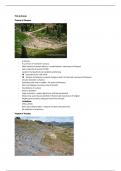
Theatre of Dionysus
- In Athens
- In use from 2nd half of 6th century
- Main theatre of ancient Athens – located above a sanctuary to Dionysus
- Had a capacity of around 17,000
- Location had practical and symbolic positioning
Protected from cold winds
Theatre sat between acropolis (religious heart of city) and sanctuary of Dionysus
- Circular diameter orchestra
- Prohedria with seat in middle – for priest of Dionysus
- Altar and religious sanctuary next to theatre
- Foundations of a skene
- Aisles in theatron
- Large orchestra – implies big chorus and big movements
- Shows how social classes divided in theatre and importance of religion
- Implies good acoustics and good view from all seats
Limitations:
- Only a photo
- Ruins have deteriorated – majority of skene not preserved
- No evidence of machinery
Theatre of Thorikos
, - In Thorikos – deme on south-east coast of Attica
- In use from late 6th/early 5th century
- Regional theatre of Attica
- Had a different layout from circular acting are of theatre of Dionysus
Orchestra more rectangular than circular
- Straight facing theatron with curved seating at the ends
- Capacity of 3,000 – large for a deme theatre
- Temple and altar at each end of performance area
- Shows that a different shape of theatre could allow for improved acoustics
Limitations
- Only a photo – not certain what the state of ruins now is
- Ruins are very deteriorated
- Photo is only from one side of the theatre
Red figure vase fragment – single actor possibly playing Perseus and two audience members/judges
- Attic red-figure chous – wine jug
- Location – Athens
- Circa 420
- Only attic vase to show a stage & only ancient Greek painting to portray a theatre audience
- Drawing contains some reconstructed features since the vase is damaged and missing many of its finer
details
- Comic actor on stage seems to be Perseus – carries a sickle has been used to cut off the head of
medusa which is in the bag on his arm
- Seems to be dancing/pretending to fly as Perseus does in the myth
- Lines around his right wrist and feet – marks the end of the body suit
Part of comic costume indicating human flesh – is ‘stage-naked’ in scene
- Does not have a mask
- Costume phallus is visible tied up between his legs
- Artist has dispensed with the orchestra – two audience members at foot of stage
Intended to represent the whole audience
- Both are wreathed
- One is clearly older and bearded
- One is younger – unclear if it is a beardless young man or woman
Image on vase is badly damaged
Theatre of Dionysus
- In Athens
- In use from 2nd half of 6th century
- Main theatre of ancient Athens – located above a sanctuary to Dionysus
- Had a capacity of around 17,000
- Location had practical and symbolic positioning
Protected from cold winds
Theatre sat between acropolis (religious heart of city) and sanctuary of Dionysus
- Circular diameter orchestra
- Prohedria with seat in middle – for priest of Dionysus
- Altar and religious sanctuary next to theatre
- Foundations of a skene
- Aisles in theatron
- Large orchestra – implies big chorus and big movements
- Shows how social classes divided in theatre and importance of religion
- Implies good acoustics and good view from all seats
Limitations:
- Only a photo
- Ruins have deteriorated – majority of skene not preserved
- No evidence of machinery
Theatre of Thorikos
, - In Thorikos – deme on south-east coast of Attica
- In use from late 6th/early 5th century
- Regional theatre of Attica
- Had a different layout from circular acting are of theatre of Dionysus
Orchestra more rectangular than circular
- Straight facing theatron with curved seating at the ends
- Capacity of 3,000 – large for a deme theatre
- Temple and altar at each end of performance area
- Shows that a different shape of theatre could allow for improved acoustics
Limitations
- Only a photo – not certain what the state of ruins now is
- Ruins are very deteriorated
- Photo is only from one side of the theatre
Red figure vase fragment – single actor possibly playing Perseus and two audience members/judges
- Attic red-figure chous – wine jug
- Location – Athens
- Circa 420
- Only attic vase to show a stage & only ancient Greek painting to portray a theatre audience
- Drawing contains some reconstructed features since the vase is damaged and missing many of its finer
details
- Comic actor on stage seems to be Perseus – carries a sickle has been used to cut off the head of
medusa which is in the bag on his arm
- Seems to be dancing/pretending to fly as Perseus does in the myth
- Lines around his right wrist and feet – marks the end of the body suit
Part of comic costume indicating human flesh – is ‘stage-naked’ in scene
- Does not have a mask
- Costume phallus is visible tied up between his legs
- Artist has dispensed with the orchestra – two audience members at foot of stage
Intended to represent the whole audience
- Both are wreathed
- One is clearly older and bearded
- One is younger – unclear if it is a beardless young man or woman
Image on vase is badly damaged