Problems With The Internet
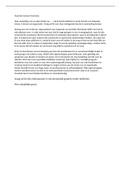
Superficially, the internet seems like a fantastic idea – a world wide web that
links people together regardless of the distance between them. In reality, this
is not the case. Suggestable and vulnerable young people are ensnared in this
sticky web of beauty standards, false news and cyberbullying. The ease with
which troubled youths can use the internet to surround themselves witch a
culture that celebrates violence and hatred is terrifying. What’s more, parasitic
platforms like Instagram, Snapchat and Twitter prey on and exploit the naïve
and the impressionable. The scale of psychological damage caused by masses
of apps and websites renders the internet no less than a pandemic.
Social media apps are particularly interesting in the sense that on the surface,
they seem like excellent platforms that allow people to stay in touch with
loved ones and share photos and videos. Every day people check their social
media feeds, and that’s considered to be normal now. And what’s also come to
be considered normal are the many influencers who unknowingly normalise
unrealistic beauty standards. Instagram is a perfect example of an app that has
blurred the line between what is normal and natural, and what is false and
unrealistic. After scrolling mindlessly through photoshopped selfies that
encourage an unhealthy obsession with appearance, people are left feeling
painfully average – when average is ultimately normal. The main demographic
that uses social media is adolescents. Adolescents, who also happen to be the
most susceptible to peer pressure, are bombarded with ‘body beauty’ images
that romanticise eating disorders and calorie counting. Why are we subjecting
the future generation to such degrading treatment?
Across all of these websites, it is easy to come across a blog or a post detailing
current news. For the most part, the internet is unregulated and so exciting or
scary false news spreads too quickly to be managed. The vast majority of
platforms on the internet contain algorithms and filters that dictate what a
person sees online based on their searches, purchases and who they follow.
This means that people are only shown news that they agree with and even
then, there is often no guarantee that the information is factual. As people are
only exposed to the views of likeminded people, it is easy for to believe false
news if it appears that others agreeing and sharing it themselves. Just recently
there has been an abundance of harmful claims surrounding the new COVID-19
vaccine. An example of this fearmongering is the recent theory that the
vaccines will implant microchips into people so that they can be tracked. While
Superficially, the internet seems like a fantastic idea – a world wide web that
links people together regardless of the distance between them. In reality, this
is not the case. Suggestable and vulnerable young people are ensnared in this
sticky web of beauty standards, false news and cyberbullying. The ease with
which troubled youths can use the internet to surround themselves witch a
culture that celebrates violence and hatred is terrifying. What’s more, parasitic
platforms like Instagram, Snapchat and Twitter prey on and exploit the naïve
and the impressionable. The scale of psychological damage caused by masses
of apps and websites renders the internet no less than a pandemic.
Social media apps are particularly interesting in the sense that on the surface,
they seem like excellent platforms that allow people to stay in touch with
loved ones and share photos and videos. Every day people check their social
media feeds, and that’s considered to be normal now. And what’s also come to
be considered normal are the many influencers who unknowingly normalise
unrealistic beauty standards. Instagram is a perfect example of an app that has
blurred the line between what is normal and natural, and what is false and
unrealistic. After scrolling mindlessly through photoshopped selfies that
encourage an unhealthy obsession with appearance, people are left feeling
painfully average – when average is ultimately normal. The main demographic
that uses social media is adolescents. Adolescents, who also happen to be the
most susceptible to peer pressure, are bombarded with ‘body beauty’ images
that romanticise eating disorders and calorie counting. Why are we subjecting
the future generation to such degrading treatment?
Across all of these websites, it is easy to come across a blog or a post detailing
current news. For the most part, the internet is unregulated and so exciting or
scary false news spreads too quickly to be managed. The vast majority of
platforms on the internet contain algorithms and filters that dictate what a
person sees online based on their searches, purchases and who they follow.
This means that people are only shown news that they agree with and even
then, there is often no guarantee that the information is factual. As people are
only exposed to the views of likeminded people, it is easy for to believe false
news if it appears that others agreeing and sharing it themselves. Just recently
there has been an abundance of harmful claims surrounding the new COVID-19
vaccine. An example of this fearmongering is the recent theory that the
vaccines will implant microchips into people so that they can be tracked. While