TEST BANK ESSENTIALS OF PATHOPHYSIOLOGY (4TH EDITION BY PORTH)
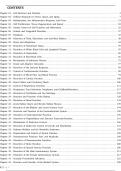
TEST BANK ESSENTIALS OF PATHOPHYSIOLOGY (4TH EDITION BY PORTH) CONTENTS Chapter 01 - Cell Structure and Function ................................ ................................ ..... 2 Chapter 02 - Cellular Responses to Stress, Injury, and Aging ................................ ..................... 7 Chapter 03 - Inflammation, the Inflammatory Response, and Fever ................................ .............. 13 Chapter 04 - Cell Proliferation, Tissue Regeneration, and Repair ................................ ................ 18 Chapter 05 - Genetic Control of Cell Function and Inheritance ................................ .................. 22 Chapter 06 - Genetic and Congenital Disorders ................................ ............................... 27 Chapter 07 - Neoplasia ................................ ................................ .................... 32 Chapter 08 - Disorders of Fluid, Electrolyte, and Acid-Base Balance ................................ ............. 38 Chapter 09 - Stress and Adaptation ................................ ................................ ......... 44 Chapter 10 - Disorders of Nutritional Status ................................ ................................ .. 49 Chapter 11 - Disorders of White Blood Cells and Lymphoid Tissues ................................ ............. 55 Chapter 12 - Disorders of Hemostasis ................................ ................................ ....... 60 Chapter 13 - Disorders of Red Blood Cells ................................ ................................ .... 66 Chapter 14 - Mechanisms of Infectious Disease ................................ ............................... 72 Chapter 15 - Innate and Adaptive Immunity ................................ ................................ .. 77 Chapter 16 - Disorders of the Immune Response ................................ .............................. 83 Chapter 17 - Control of Cardiovascular Function ................................ .............................. 89 Chapter 18 - Disorders of Blood Flow and Blood Pressure ................................ ..................... 94 Chapter 19 - Disorders of Cardiac Function ................................ ................................ . 100 Chapter 20 - Heart Failure and Circulatory Shock ................................ ............................ 106 Chapter 21 - Control of Respiratory Function ................................ ................................ 111 Chapter 22 - Respiratory Tract Infections, Neoplasms, and Childhood Disorders ................................ .. 117 Chapter 23 - Disorders of Ventilation and Gas Exchange ................................ ...................... 122 Chapter 24 - Structure and Function of the Kidney ................................ ........................... 128 Chapter 25 - Disorders of Renal Function ................................ ................................ ... 134 Chapter 26 - Acute Kidney Injury and Chronic Kidney Disease ................................ ................. 139 Chapter 27 - Disorders of the Bladder and Lower Urinary Tract ................................ ............... 144 Chapter 28 - Structure and Function of the Gastrointestinal System ................................ ............ 150 Chapter 29 - Disorders of Gastrointestinal Function ................................ .......................... 155 Chapter 30 - Disorders of Hepatobiliary and Exocrine Pancreatic Function ................................ ....... 161 Chapter 31 - Mechanisms of Endocrine Control ................................ .............................. 166 Chapter 32 - Disorders of Endocrine Control of Growth and Metabolism ................................ ........ 172 Chapter 33 - Diabetes Mellitus and the Metabolic Syndrome ................................ ................... 178 Chapter 34 - Organization and Control of Neural Function ................................ .................... 183 Chapter 35 - Somatosensory Function, Pain, and Headache ................................ .................... 189 Chapter 36 - Disorders of Neuromuscular Function ................................ .......................... 194 Chapter 37 - Disorders of Brain Function ................................ ................................ ... 200 Chapter 38 - Disorders of Special Sensory Function ................................ .......................... 206 Chapter 39 - Disorders of the Male Genitourinary System ................................ ..................... 211 Chapter 40 - Disorders of the Female Genitourinary System ................................ ................... 217 Chapter 41 - Sexually Transmitted Infections ................................ ................................ 222 Chapter 42 - Structure and Function of the Skeletal System ................................ ................... 228 1 | P a g eChapter 43 - Disorders of the Skeletal System ................................ ............................... 233 Chapter 44 - Disorders of the Skeletal System ................................ ............................... 239 Chapter 45 - Structure and Function of the Integumentum ................................ .................... 244 Chapter 46 - Disorders of Skin Integrity and Function ................................ ........................ 250 Chapter 01 - Cell Structure and Function 1. The nucleus , which is essential for function and survival of the cell. A) B) C) D) 2. A) B) C) D) 3. A) B) C) D) 4. A) B) 2 | P a g e is the site of protein synthesis contains the genetic code transforms cellular energy initiates aerobic metabolism Although energy is not made in mitochondria, they are known as the power plants of the cell because they: contain RNA for protein synthesis. utilize glycolysis for oxidative energy. extract energy from organic compounds. store calcium bonds for muscle contractions. Although the basic structure of the cell plasma membrane is formed by a lipid bilayer, most of the specific membrane functions are carried out by: bound and transmembrane proteins. complex, long carbohydrate chains. surface antigens and hormone receptors. a gating system of selective ion channels. To effectively relay signals, cell-to-cell communication utilizes chemical messenger systems that: displace surface receptor proteins. accumulate within cell gap junctions.C) D) 5. A) B) C) D) 6. A) B) C) D) 7. A) B) C) D) 8. A) B) C) D) bind to contractile microfilaments. release secretions into extracellular fluid. Aerobic metabolism, also known as oxidative metabolism, provides energy by: removing the phosphate bonds from ATP. combining hydrogen and oxygen to form water. activating pyruvate stored in the cytoplasm. breaking down glucose to form lactic acid. Exocytosis, the reverse of endocytosis, is important in into the extracellular fluid. Engulfing and ingesting fluid and proteins for transport Killing, degrading, and dissolving harmful microorganisms Removing cellular debris and releasing synthesized substances Destruction of particles by lysosomal enzymes for secretion The process responsible for generating and conducting membrane potentials is: diffusion of current-carrying ions. millivoltage of electrical potential. polarization of charged particles. ion channel neurotransmission. Epithelial tissues are classified according to the shape of the cells and the number of layers. Which of the following is a correctly matched description and type of epithelial tissue? Simple epithelium: cells in contact with intercellular matrix; some do not extend to surface Stratified epithelium: single layer of cells; all cells rest on basement membrane Glandular epithelium: arise from surface epithelia and underlying connective tissue Pseudostratified epithelium: multiple layers of cells; deepest layer rests on basement membrane 3 | P a g e9. A) B) C) D) Connective tissue contains fibroblasts that are responsible for: providing a fibrous framework for capillaries. synthesis of collagen, elastin, and reticular fibers. forming tendons and the fascia that covers muscles. filling spaces between tissues to keep organs in place. 10. Although all muscle tissue cells have some similarities, smooth muscle (also known as involuntary muscle) differs by: A) B) C) D) having dense bodies attached to actin filaments. containing sarcomeres between Z lines and M bands. having rapid contractions and abundant cross-striations. contracting in response to increased intracellular calcium. 11. Which of the following aspects of the function of the nucleus is performed by ribosomal RNA (rRNA)? A) B) C) D) Copying and carrying DNA instructions for protein synthesis Carrying amino acids to the site of protein synthesis Providing the site where protein synthesis occurs Regulating and controlling protein synthesis 12. Breakdown and removal of foreign substances and worn-out cell parts are performed by which of the following organelles? A) B) C) D) 13. A) B) 4 | P a g e Lysosomes Golgi apparatus Ribosomes Endoplasmic reticulum (ER) Impairment in the function of peroxisomes would result in: inadequate sites for protein synthesis. an inability to transport cellular products across the cell membrane.C) D) insufficient energy production within a cell. accumulation of free radicals in the cytoplasm. 14. After several months of trying to conceive, a couple is undergoing fertility testing. Semen analysis indicates that the man’s sperm have decreased motility, a finding that is thought to underlie the couple’s inability to become pregnant. Which of the following cellular components may be defective within the man’s sperm? A) B) C) D) Ribosomes Microtubules Mitochondria Microfilaments 15. Which of the following statements is true of glycolysis? A) Glycolysis requires oxygen. B) C) D) Glycolysis occurs in cells without mitochondria. Glycolysis provides the majority of the body’s energy needs. Glycolysis produces energy, water, and carbon dioxide. 16. Which of the following membrane transport mechanisms requires the greatest amount of energy? A) Facilitated diffusion B) C) D) Passive transport Vesicular transport Simple diffusion 17. A male patient with a diagnosis of type 1 diabetes mellitus is experiencing hyperglycemia because he lacks sufficient insulin to increase the availability of glucose transporters in his cell membranes. Consequently, his cells lack intracellular glucose and it accumulates in his blood. Which of the following processes would best allow glucose to cross his cell membranes? A) B) 5 | P a g e Facilitated diffusion Simple diffusionC) D) Secondary active transport Endocytosis 18. Which of the following statements is true of skeletal muscle cells? A) Skeletal muscle cells each have an apical, lateral, and basal surface. B) C) D) They are closely apposed and are joined by cell-to-cell adhesion molecules. Their basal surface is attached to a basement membrane. Skeletal muscle is multinucleated, lacking true cell boundaries. 19. Which of the following body tissues exhibits the highest rate of turnover and renewal? A) The squamous epithelial cells of the skin B) C) D) The connective tissue supporting blood vessels The skeletal muscle that facilitates movement The nervous tissue that constitutes the central nervous system 20. A patient with a pathophysiologic condition that affects the desmosomes is most likely to exhibit: A) impaired contraction of skeletal and smooth muscle. B) C) D) weakness of the collagen and elastin fibers in the extracellular space. impaired communication between neurons and effector organs. separation at the junctions between epithelial cells. Answer Key 1. B 2. 3. C A 4. D 5. B 6. 6 | P a g e C7. 8. 9. A C B 10. A 11. C 12. A 13. D 14. B 15. B 16. C 17. A 18. D 19. A 20. D Chapter 02 - Cellular Responses to Stress, Injury, and Aging 1. A) B) C) D) 2. A) B) 7 | P a g e Ischemia and other toxic injuries increase the accumulation of intracellular calcium as a result of: release of stored calcium from the mitochondria. improved intracellular volume regulation. decreased influx across the cell membrane. attraction of calcium to fatty infiltrates. The patient is found to have liver disease, resulting in the removal of a lobe of his liver. Adaptation to the reduced size of the liver leads to of the remaining liver cells. metaplasia organ atrophyC) D) 3. compensatory hyperplasia physiologic hypertrophy A person eating peanuts starts choking and collapses. His airway obstruction is partially cleared, but he remains hypoxic until he reaches the hospital. The prolonged cell hypoxia caused a cerebral infarction and resulting in the brain. A) B) C) D) 4. A) B) C) D) 5. A) B) C) D) 6. A) B) C) D) 7. 8 | P a g e caspase activation coagulation necrosis rapid phagocytosis protein p53 deficiency Bacteria and viruses cause cell damage by damage caused by other injurious agents. , which is unique from the intracellular disrupting the sodium/potassium ATPase pump interrupting oxidative metabolism processes replicating and producing continued injury decreasing protein synthesis and function The patient has a prolonged interruption in arterial blood flow to his left kidney, causing hypoxic cell injury and the release of free radicals. Free radicals damage cells by: destroying phospholipids in the cell membrane. altering the immune response of the cell. disrupting calcium storage in the cell. inactivation of enzymes and mitochondria. Injured cells have impaired flow of substances through the cell membrane as a result of: increased fat load. altered permeability. altered glucose utilization. increased surface receptors. Reversible adaptive intracellular responses are initiated by:A) B) C) D) 8. A) B) C) D) 9. stimulus overload. genetic mutations. chemical messengers. mitochondrial DNA. Injured cells become very swollen as a result of: increased cell protein synthesis. altered cell volume regulation. passive entry of potassium into the cell. bleb formation in the plasma membrane. A diabetic patient has impaired sensation, circulation, and oxygenation of his feet. He steps on a piece of glass, the wound does not heal, and the area tissue becomes necrotic. The necrotic cell death is characterized by: A) B) C) D) rapid apoptosis. cellular rupture. shrinkage and collapse. chronic inflammation. 10. A 99-year-old woman has experienced the decline of cell function associated with age. A group of theories of cellular aging focus on programmed: A) B) C) D) changes with genetic influences. elimination of cell receptor sites. insufficient telomerase enzyme. DNA mutation or faulty repair. 11. An 89-year-old female patient has experienced significant decreases in her mobility and stamina during a 3-week hospital stay for the treatment of a femoral head fracture. Which of the following phenomena most likely accounts for the patient’s decrease in muscle function that underlies her reduced mobility? A) 9 | P a g e Impaired muscle cell metabolism resulting from metaplasiaB) C) D) Dysplasia as a consequence of inflammation during bone remodeling Disuse atrophy of muscle cells during a prolonged period of immobility Ischemic atrophy resulting from vascular changes while on bedrest 12. A 20-year-old college student has presented to her campus medical clinic for a scheduled Papanicolaou (Pap) smear. The clinician who will interpret the smear will examine cell samples for evidence of: A) B) C) D) changes in cell shape, size, and organization. the presence of unexpected cell types. ischemic changes in cell samples. abnormally high numbers of cells in a specified field. 13. Which of the following pathophysiologic processes is most likely to result in metastatic calcification? A) Benign prostatic hyperplasia B) C) D) Liver cirrhosis Impaired glycogen metabolism Hyperparathyroidism 14. Despite the low levels of radiation used in contemporary radiologic imaging, a radiology technician is aware of the need to minimize her exposure to ionizing radiation. What is the primary rationale for the technician’s precautions? A) B) C) D) Radiation stimulates pathologic cell hypertrophy and hyperplasia. Radiation results in the accumulation of endogenous waste products in the cytoplasm. Radiation interferes with DNA synthesis and mitosis. Radiation decreases the action potential of rapidly dividing cells. 15. The parents of a 4-year-old girl have sought care because their daughter has admitted to chewing and swallowing imported toy figurines that have been determined to be made of lead. Which of the following blood tests should the care team prioritize? A) B) C) 10 | P a g e White blood cell levels with differential Red blood cell levels and morphology Urea and creatinine levelsD) Liver function panel 16. A 70-year-old male patient has been admitted to a hospital for the treatment of a recent hemorrhagic stroke that has left him with numerous motor and sensory deficits. These deficits are most likely the result of which of the following mechanisms of cell injury? A) B) C) D) Free radical injury Hypoxia and ATP depletion Interference with DNA synthesis Impaired calcium homeostasis 17. Which of the following processes associated with cellular injury is most likely to be reversible? A) Cell damage resulting from accumulation of fat in the cytoplasm B) C) D) Cellular changes as a result of ionizing radiation Cell damage from accumulation of free radicals Apoptosis 18. The extrinsic pathway of apoptosis can be initiated by: A) damage to cellular DNA. B) C) D) decreased ATP levels. activation of the p53 protein. activation of death receptors on the cell surface. 19. A patient with severe peripheral vascular disease has developed signs of dry gangrene on the great toe of one foot. Which of the following pathophysiologic processes most likely contributed to this diagnosis? A) B) C) D) Inappropriate activation of apoptosis Bacterial invasion Impaired arterial blood supply Metaplastic cellular changes 20. Which of the following facts underlies the concept of replicative senescence? 11 | P a g eA) B) C) D) Genes controlling longevity are present or absent in varying quantities among different individuals. Telomeres become progressively shorter in successive generations of a cell. The damaging influence of free radicals increases exponentially in later generations of a cell. Aging produces mutations in DNA and deficits in DNA repair. Answer Key 1. A 2. 3. 4. 5. 6. 7. 8. 9. C B C A B C B B 10. A 11. C 12. A 13. D 14. C 15. B 16. B 17. A 18. D 19. C 12 | P a g e20. B Chapter 03 - Inflammation, the Inflammatory Response, and Fever 1. The characteristic, localized cardinal signs of acute inflammation include: A) B) C) D) 2. A) B) C) D) 3. A) B) C) D) 4. A) B) C) 13 | P a g e fever. fatigue. redness. granuloma. The vascular, hemodynamic stage of acute inflammation is initiated by momentary vasoconstriction followed by vasodilation that causes localized: bleeding. congestion. pale skin. coolness. The cellular stage of acute inflammation is marked by the movement of leukocytes into the area. Which of the following cells arrives early in great numbers? Basophils Lymphocytes Neutrophils Platelets The phagocytosis process involves three distinct steps. What is the initial step in the process? Engulfment Intracellular killing Antigen marginationD) Recognition and adherence 5. Which of the following mediators of inflammation causes increased capillary permeability and pain? A) B) C) D) 6. A) B) C) D) 7. A) B) C) D) 8. A) B) C) D) Serotonin Histamine Bradykinin Nitric oxide Inflammatory exudates are a combination of several types. Which of the following exudates is composed of enmeshed necrotic cells? Serous Fibrinous Suppurative Membranous The acute-phase systemic response usually begins within hours of the onset of inflammation and includes: fever and lethargy. decreased C-reactive protein. positive nitrogen balance. low erythrocyte sedimentation rate. In contrast to acute inflammation, chronic inflammation is characterized by which of the following phenomena? Profuse fibrinous exudation A shift to the left of granulocytes Metabolic and respiratory alkalosis Lymphocytosis and activated macrophages 9. 14 | P a g e Exogenous pyrogens (interleukin-1) and the presence of bacteria in the blood lead to therelease of endogenous pyrogens that: A) B) C) D) stabilize thermal control in the brain. produce leukocytosis and anorexia. block viral replication in cells. inhibit prostaglandin release. 10. An older adult patient has just sheared the skin on her elbow while attempted to boost herself up in bed, an event that has precipitated acute inflammation in the region surrounding the wound. Which of the following events will occur during the vascular stage of the patient’s inflammation? A) B) C) D) Outpouring of exudate into interstitial spaces Chemotaxis Accumulation of leukocytes along the epithelium Phagocytosis of cellular debris 11. Which of the following individuals most likely has the highest risk of experiencing chronic inflammation? A) B) C) D) A patient who has recently been diagnosed with type 2 diabetes A patient who is a carrier of an antibiotic-resistant organism A patient who is taking oral antibiotics for an upper respiratory infection A patient who is morbidly obese and who has a sedentary lifestyle 12. Which of the following core body temperatures is within normal range? A) 35.9°C (96.6°F) B) C) D) 38.0°C (100.4°F) 35.5°C (95.9°F) 37.3°C (99.1°F) 13. A postsurgical patient who is recovering in the postanesthetic recovery unit states that she is freezing cold. Which of the following measures is likely to be initiated in the patient’s hypothalamus in an effort to reduce heat loss? 15 | P a g eA) B) C) D) Opening of arteriovenous (AV) shunts Reduced exhalation of warmed air Contraction of pilomotor muscles Decreased urine production 14. An elderly patient is dressed only in a hospital gown and complains of a draft in her room. Consequently, she has requested a warm blanket while she sits in her wheelchair. Which of the following mechanisms of heat loss is most likely the primary cause of her request? A) B) C) D) Evaporation and conduction Radiation and convection Conduction and convection Convection and evaporation 15. Which of the following pathophysiologic processes are capable of inducing the production of pyrogens? Select all that apply. A) B) C) D) E) Acute inflammation Obesity Myocardial infarction Malignancy Renal failure 16. Which of the following patients is most likely to be susceptible to developing a neurogenic fever? A) A patient who has stage II Alzheimer disease B) C) D) 17. A patient who has sustained a head injury in a bicycle crash A patient who has become delirious after the administration of a benzodiazepine A patient who has begun taking a selective serotonin-reuptake inhibitor (SSRI) for the treatment of depression Patients are commonly administered antipyretics when their oral temperature exceeds 37.5°C (99.5°F). Which of the following statements related to the rationale for this action is most accurate? 16 | P a g eA) B) C) D) Temperatures in excess of 37.5°C (99.5°F) can result in seizure activity. Lower temperatures inhibit the protein synthesis of bacteria. There is little empirical evidence for this treatment modality. Most common antipyretics have been shown to have little effect on core temperature. 18. A patient has sought care because of recent malaise and high fever. Upon assessment, the patient states that his current fever began two days earlier, although he states that for the last 2 weeks he is in a cycle of high fever for a couple of days followed by a day or two of normal temperature. Which of the following fever patterns is this patient experiencing? A) B) C) D) Recurrent fever Remittent fever Sustained fever Intermittent fever 19. A febrile, 3-week-old infant has been brought to the emergency department by his parents and is currently undergoing a diagnostic workup to determine the cause of his fever. Which of the following statements best conveys the rationale for this careful examination? A) B) C) D) The immature hypothalamus is unable to perform normal thermoregulation. Infants are susceptible to serious infections because of their decreased immune function. Commonly used antipyretics often have no effect on the core temperature of infants. Fever in neonates is often evidence of a congenital disorder rather than an infection. 20. An 84-year-old patient’s blood cultures have come back positive, despite the fact that his oral temperature has remained within normal range. Which of the following phenomena underlies the alterations in fever response that occur in the elderly? A) B) C) D) Disturbance in the functioning of the thermoregulatory center Increased heat loss by evaporation The presence of comorbidities that are associated with lowered core temperature Persistent closure of arteriovenous shunts Answer Key 1. C 2. 17 | P a g e B3. C 4. D 5. C 6. D 7. A 8. D 9. B 10. A 11. D 12. D 13. C 14. B 15. A, C, D 16. B 17. C 18. D 19. B 20. A Chapter 04 - Cell Proliferation, Tissue Regeneration, and Repair 1. Epithelialization, the first component of the proliferative phase of wound healing, is delayed in open wounds until after has formed. A) B) 18 | P a g e granulation tissue fibrinous meshworkC) D) 2. A) B) C) D) 3. capillary circulation collagenous layers A mutation has occurred during mitosis of an individual’s bone marrow cell. This event may be the result of the failure of which of the following? Progenitor cells Fibroblasts Stem cells Cyclins A patient has experienced a myocardial infarction with accompanying necrosis of cardiac muscle, a permanent tissue. What are the ramifications of the fact that cardiac muscle is a permanent tissue? A) B) C) D) 4. The cardiac muscle cells will remain perpetually in the G1 stage of mitosis. Regeneration of the patient’s cardiac muscle will be exceptionally slow. The necrotic cells will be replaced with muscle cells that have limited metabolism. The cells will not proliferate and will be replaced with scar tissue. A couple have chosen to pay for the harvesting and storage of umbilical cord blood after the delivery of their child to secure a future source of embryonic stem cells. What is the most likely rationale for the couple’s decision? A) B) C) D) 5. The stem cells may be able to produce a wide range of body cells. The embryonic stem cells allow stable and permanent tissues to enter mitosis. The stem cells can change the proliferative capacity of other cells. The embryonic stem cells remove cyclin-dependent kinase inhibitors from the body. The basement membrane surrounding a patient’s foot wound remains intact, a fact that bodes well for the wound-healing process. Which of the following components constitute this form of the extracellular matrix? Select all that apply. A) B) C) 19 | P a g e Prostaglandins Fibrous structural proteins LymphocytesD) E) 6. Water-hydrated gels Glycoproteins A nursing student is cleaning and changing the dressing on a patient’s sacral ulcer. The student has vigorously cleansed the wound bed to remove all traces of the beefy, red tissue that existed in the wound bed. The student has most likely removed: A) B) C) D) 7. Necrotic tissue Granulation tissue Stem cells The extracellular matrix A 12-year-old boy’s severe wound that he received from a dog bite has begun to heal and currently shows no signs of infection. Which of the following processes occurred first during this process of repair by connective tissue deposition? A) B) C) D) Reorganization of fibrous tissue Angiogenesis Emigration of fibroblasts to the wound site Deposition of the extracellular matrix 8. Which of the following wounds is most likely to heal by secondary intention? A) A finger laceration that a cook received while cutting up onions B) C) D) 9. A boy’s road rash that he got by falling off his bicycle A needlestick injury that a nurse received when injecting a patient’s medication The incision from a teenager’s open appendectomy A patient underwent an open cholecystectomy 4 days ago and her incision is now in the proliferative phase of healing. What is the dominant cellular process that characterizes this phase of the patient’s healing? A) B) C) D) 20 | P a g e Hemostasis and vasoconstriction Keloid formation Collagen secretion by fibroblasts Phagocytosis by neutrophils10. Which of the following surgical patients is most likely to experience enhanced wound healing as a result of his or her diet? A) B) C) D) A patient who eats a high-calorie diet and large amounts of red meat A patient who is a vegetarian and who eats organic foods whenever possible A patient who practices carefully calorie control and who avoids animal fats A patient who is receiving total parenteral nutrition due to recurrent nausea 11. Which of the following patients is most likely to experience impaired wound healing? A) A patient with a diagnosis of type 1 diabetes and a history of poor blood sugar control B) C) D) A child whose severe cleft lip and palate have required a series of surgeries over several months A patient who takes nebulized bronchodilators several times daily to treat chronic obstructive pulmonary disease A patient with persistent hypertension who takes a b-adrenergic blocker and a potassium-wasting diuretic daily Answer Key 1. A 2. D 3. D 4. A 5. 6. 7. 8. 9. B, D, E B B B C 10. A 11. A 21 | P a g eChapter 05 - Genetic Control of Cell Function and Inheritance 1. Triplet codes of three bases are the genetic codes used in transmitting genetic information necessary for: A) B) C) D) 2. A) B) C) D) 3. A) B) C) D) chromatin formation. protein synthesis. enzyme activation. nucleotide bonding. Unlike messenger RNA (mRNA) and transfer RNA (tRNA), ribosomal RNA (rRNA): is produced in the nucleolus. delivers activated amino acids. is formed by transcription. coordinates RNA translation. Splicing of mRNA during processing permits a cell to: form different proteins. increase DNA content. stop copying DNA onto RNA. add nucleic acid end pieces. 4. When an infant is born with gene mutations in his/her cells, the errors may be a result of all of the following except of base pairs. A) B) C) D) 5. 22 | P a g e deletion substitution differentiation rearrangement Identifying the genetic sex of a child is based on finding intracellular Barr bodies that consist of:A) B) C) D) inactive chromatin material. male-specific chromosomes. homologous chromosomes. excess autosomal material. 6. Multifactorial inheritance is similar to polygenic inheritance because both involve: A) environmental effects on alleles. B) C) D) 7. A) B) C) D) multiple alleles at different loci. predictable somatic allele effects. homozygous pairing of two alleles. Crossing over of chromatid segments during meiosis division 1 results in: spontaneous gene mutations. initial DNA synthesis. bivalent X and Y genes. new gene combinations. 8. During the transcription process, RNA: A) polymerase attaches to DNA. B) C) D) 9. exon sequences are reversed. delivers activated amino acids. reverses redundant base pairs. The process of gene expression is increased by: A) B) C) 23 | P a g e mutation of normal suppressor genes. induction by an external influence. repression of internal penetrance.D) activation of growth control genes. 10. Gene therapy, insertion of genes into the genome of multicellular organisms, is accomplished by: A) restriction enzymes. B) C) D) transferring genes. DNA fragment separation. cross-over gene exchange. 11. Which of the following statements is true of genetic mutations? A) Errors in DNA duplication are normally irreparable. B) C) D) 12. A) B) C) D) Mutations that occur in somatic cells are inheritable. Mutations may result from extrinsic factors or from spontaneous error. Errors in DNA replication are most often fatal. Individual differences in appearance, behavior, and disease susceptibility are a result of: karyotyping. mutations. DNA repair. a haplotype. 13. Which of the following statements is true of messenger RNA (mRNA)? A) mRNA is produced in the nucleolus. B) C) D) mRNA provides the template for protein synthesis. Each mRNA molecule has two recognition sites. mRNA delivers the activated form of an amino acid to the protein being synthesized. 14. Prenatal genetic testing that counts the number of Barr bodies in a chromosome is able to determine: A) the genetic sex of a child. B) 24 | P a g e susceptibility to hemophilia B.C) D) the presence of fragile X syndrome. fetal viability. 15. The gene responsible for a particular congenital cardiac anomaly is said to have complete penetrance. What are the clinical implications of this fact? A) B) C) D) The anomaly is a result of polygenetic inheritance. The heart defect does not result from any other gene. Multiple alleles contribute to the defect. All the individuals who possess the gene will exhibit the anomaly. 16. A dominant genetic trait: A) is expressed only in a heterozygous pairing. B) C) D) is expressed in either a homozygous or heterozygous pairing. is expressed only in a homozygous pairing. is expressed in some carriers. 17. Which of the following methods of genetic mapping focuses on the measurement of enzyme activity? A) Hybridization studies B) C) D) Haplotype mapping Linkage studies Gene dosage studies 18. Which of the following facts underlies the application of RNA interference in the treatment of disease? A) Restriction enzymes are able to cleave genetic molecules at predictable sites. B) C) D) 19. 25 | P a g e It is possible to produce proteins that have therapeutic properties. Faulty gene activity that produces unwanted proteins can sometimes be stopped. Individual differences are attributable to a very small percentage of the genes in the human body. Although the majority of cellular DNA exists in the cell nucleus, part of the cell DNA is located in the:A) B) C) D) mitochondria. Golgi apparatus. smooth endoplasmic reticulum. microfilaments. 20. Which of the following is an application of recombinant DNA technology? A) Production of human insulin B) C) D) DNA fingerprinting Gene dosage studies Somatic cell hybridization Answer Key 1. B 2. 3. 4. 5. 6. A A C A B 7. D 8. A 9. B 10. B 11. C 12. D 13. B 14. A 26 | P a g e15. D 16. B 17. D 18. C 19. A 20. A Chapter 06 - Genetic and Congenital Disorders 1. Genetic disorders that involve a single gene trait are characterized by: A) B) C) D) 2. A) B) C) D) 3. A) B) C) D) 27 | P a g e multifactorial gene mutations. chromosome rearrangements. Mendelian patterns of transmission. abnormal numbers of chromosomes. In addition to having a 50% chance of inheriting an autosomal dominant disorder from an affected parent, such a disorder is characterized by: aneuploidy of genes in all cells. deficiencies in enzyme synthesis. affected X transmission to daughters. varied gene penetration and expression. Autosomal recessive disorders are characterized by: age of onset later in life. abnormal protein structure. inborn errors of metabolism. one in two risk of a carrier child.4. When a male child inherits an X-linked disorder from his heterozygous carrier mother, A) his sons will be carriers. B) C) D) his father has the disorder. some of his sisters will be carriers. his daughters will have the disorder. 5. Multifactorial inheritance disorders, such as cleft palate, are often caused by fetal development. A) B) C) D) 6. A) B) C) D) 7. multiple gene mutations dominant gene expression X-linked crossover problem polyploidy of chromosomes The newborn has the distinctive physical features of trisomy 21, Down syndrome, which includes: upward slanting of eyes. large, protruding ears. thin lips and small tongue. long fingers with extra creases. Aneuploidy of the X chromosome can result in a monosomy or polysomy disorder. The manifestations of monosomy X, Turner syndrome, differ from polysomy X disorders in numerous ways that include: A) B) C) D) 8. A) 28 | P a g e short-stature female individual.. mental retardation. enlarged breasts. early onset puberty. A teratogenic environmental agent can cause birth defects when: inherited as a recessive trait. duringB) C) D) 9. A) B) C) D) intense exposure occurs at birth. disjunction occurs during meiosis. retained during early pregnancy. Fetal alcohol syndrome (FAS) is unlike other teratogens in that the harmful effects on the fetus: directly result in liver damage. extend throughout the pregnancy. is most noticeable in adulthood. cause death in early childhood. 10. Prenatal diagnosis methods include the use of ultrasonography for identifying abnormalitie s. A) B) C) D) cytogenic skeletal chromosomal a-fetoprotein 11. A woman who is a carrier for which of the following diseases possesses the greatest likelihood of passing the disease to her future children when heterozygous pairing exists? A) B) C) D) Phenylketonuria (PKU) Tay-Sachs disease Neurofibromatosis Cystic fibrosis 12. Which of the following statements is true of autosomal recessive disorders? A) Onset is typically late in childhood or early in adulthood. B) C) 29 | P a g e Symptomatology is less uniform than with autosomal dominant disorders. Mitochondrial DNA is normally the site of genetic alteration.D) Effects are typically the result of alterations in enzyme function. 13. The parents of a newborn infant are relieved that their baby was born healthy, with the exception of a cleft lip that will be surgically corrected in 10 or 12 weeks. Which of the nurse’s following statements to the parents best conveys the probable cause of the infant’s cleft lip? A) B) C) D) Though you are both healthy, you likely both carry the gene for a cleft lip. Provided one of you had the gene for a cleft lip, your baby likely faced a 50/50 chance of having one. Your child’s cleft lip likely results from the interplay between environment and genes. A cleft lip can sometimes result from taking prescription drugs, even when they’re taken as ordered. 14. Which of the following practitioners is most likely to be of assistance in the early care of an infant with a cleft lip? A) B) C) D) Lactation consultant Respiratory therapist Occupational therapist Social worker 15. A 41-year-old woman has made the recent decision to start a family, and is eager to undergo testing to mitigate the possibility of having a child with Down syndrome. Which of the following tests is most likely to provide the data the woman seeks? A) B) C) D) Genetic testing of the woman Genetic testing of the woman and the father Prenatal blood tests Ultrasonography 16. Genetic testing has revealed that a male infant has been born with an extra X chromosome. What are the most likely implications of this finding? A) B) C) 30 | P a g e The child is unlikely to survive infancy The child is likely to have no manifestations of this chromosomal abnormality The child will have significant neurological and cognitive defectsD) The child will be unable to reproduce 17. Which of the following variables determine the extent of teratogenic drug effects? Select all that apply. A) Maternal health history B) C) D) E) Molecular weight of the drug Stage of pregnancy when the drug was taken Duration of drug exposure Fetal blood type 18. A woman who has just learned that she is pregnant for the first time has sought advice from her healthcare provider about the safe use of alcohol during pregnancy. What advice should the clinician provide to the woman? A) B) C) D) It’s likely best to eliminate alcohol from your diet while you’re pregnant. Moderation in alcohol use is critical while you are pregnant. You should limit yourself to a maximum of one drink daily while you’re pregnant. You should drink no alcohol until you are in your second trimester. 19. Which of the following health problems may be identified by a TORCH screening test? A) Rubella and herpes B) C) D) 20. A) B) C) D) Tenovaginitis and human papillomavirus Rhinovirus and Ormond disease Chlamydia and rickets Ultrasonography is most likely to detect which of the following fetal abnormalities? Neural tube defects Skeletal abnormalities Chromosomal defects Single-gene disorders Answer Key 31 | P a g e1. C 2. D 3. C 4. 5. 6. 7. C A A A 8. D 9. B 10. B 11. C 12. D 13. C 14. A 15. C 16. B 17. B, C, D 18. A 19. A 20. B Chapter 07 - Neoplasia 1. Unlike the tissue growth that occurs with hypertrophy and hyperplasia, the growth of a malignancy is: 32 | P a g eA) B) C) D) 2. A) B) C) D) 3. A) B) C) D) 4. A) B) C) D) adaptive. specialized. predictable. autonomous. In contrast to malignancies, benign tumors are characterized by: a fibrous capsule. distant infiltration. rapid replication. undifferentiated cells. Because of their rapid growth, malignant tumors affect area tissues by: increasing tissue blood flow. providing essential nutrients. liberating enzymes and toxins. forming fibrous membranes. The metastatic spread of tumor cells is facilitated by movement to distant tissues. cell cohesiveness enzyme secretion contact inhibition cell-to-cell signaling that enables invasion and 5. A) B) 33 | P a g e The angiogenesis process, which allows tumors to develop new blood vessels, is triggered and regulated by tumor-secreted: procoagulants. growth factors.C) D) 6. A) B) C) D) 7. A) B) C) D) 8. A) B) C) D) 9. A) B) C) D) attachment factors. proteolytic enzymes. Cancerous transformation of a cell requires the activation of: cell cycle apoptosis. multiple mutations. a single gene mutation. tumor suppressor genes. Although clinical manifestations vary with the type of cancer and organs involved, abnormal tumor growth causes general manifestations that include: copious lymph flow. sleep disturbances. involuntary weight gain. visceral organ expansion. Paraneoplastic syndromes are manifestations of cancer that often result from: radiation and chemotherapy. compression of area vessels. tumor-related tissue necrosis. inappropriate hormone release. Although both grading and staging are methods for classifying cancer and selecting a treatment plan, staging is used to determine the: number of mitoses. tissue characteristics. level of differentiation. extent of disease spread. 10. Early diagnosis of childhood cancers is often difficult because the signs and symptoms are: 34 | P a g eA) B) C) D) already present at birth. absent until the late stage. similar to those of other childhood diseases. seen as developmental delays. 11. A lung biopsy and magnetic resonance imaging have confirmed the presence of a benign lung tumor in a patient. Which of the following characteristics are associated with this patient’s neoplasm? A) B) C) D) The tumor will grow by expansion and is likely encapsulated. The cells that constitute the tumor are undifferentiated, with atypical structure. If left untreated, the patient’s tumor is likely to metastasize. The tumor is likely to infiltrate the lung tissue that presently surrounds it. 12. Which of the following processes characterizes an epigenetic contribution to oncogenesis? A) A DNA repair mechanism is disrupted. B) C) D) A tumor suppressor gene is present, but it is not expressed. Cells lose their normal contact inhibition. Regulation of apoptosis in impaired, resulting in accumulation of cancer cells. 13. A farmer’s long-term exposure to pesticides has made the cells in his alveoli and bronchial tree susceptible to malignancy. Which of the following processes has taken place in the farmer’s lungs? A) B) C) D) Promotion Progression Initiation Differentiation 14. Genetic screening may be indicated for individuals who have a family history of which of the following neoplasms? A) 35 | P a g e Liver cancerB) C) D) Multiple myeloma Leukemia Breast cancer 15. A public health nurse has cited a reduction in cancer risk among the many benefits of maintaining a healthy body-mass index. Which of the following facts underlies the relationship between obesity and cancer? A) B) C) D) Obesity can cause inflammation and hormonal changes that are associated with cancer. Adipose tissue is more susceptible to malignancy than other types of connective tissue. Increased cardiac workload and tissue hypoxia can interfere with normal cell differentiation. Increased numbers of body cells increase the statistical chances of neoplastic cell changes. 16. Which of the following dietary guidelines should a nurse provide to a group of older adults to possibly decrease their risks of developing colon cancer? A) B) C) D) As much as possible, try to eat organic foods. Regular vitamin supplements and a low-carbohydrate diet are beneficial. Try to minimize fat and maximize fiber when you’re planning your meals. Eat enough fiber in your diet that you have bowel movement at least once daily. 17. A male patient with a diagnosis of liver cancer has been recently admitted to a palliative care unit following his recent development of bone metastases. Despite his family’s encouragement, the patient has experienced precipitous weight loss in recent weeks. Which of the following factors may underlie the patient’s loss of fat and muscle mass? A) B) C) D) The action of cytokines and consequent inflammation Loss of appetite due to fatigue and pain Changes in peptide hormone levels Production of onconeural antigens by cancerous cells 18. A 51-year-old patient has been diagnosed with stage IV breast cancer with lung metastases. Which of the following treatment options is most likely to treat both her primary and distant cancer sites? A) 36 | P a g e Radiation therapyB) C) D) Chemotherapy Surgery Hormone therapy 19. A patient’s oncologist has presented the possibility of implementing biotherapy in the treatment of the patient’s brain tumor. Which of the following mechanisms of action provide the therapeutic effects of biotherapy? Select all that apply. A) B) C) D) E) Stimulating the immune response to tumor cells Inhibiting tumor protein synthesis Reversing angiogenesis Altering the hormonal environment of tumor cells Causing breaks in the DNA of tumor cells 20. A 5-year-old girl’s diagnosis of bone cancer required an aggressive treatment regimen. Which of the following considerations forms the most significant threat to her future health? A) B) C) D) Retention of chemotherapeutic drugs in the healthy bone matrix Unwanted effects of chemotherapy and radiation therapy Resistance to chemotherapy and radiation if required later in life Risk for recurrence of the primary neoplasm after puberty Answer Key 1. D 2. A 3. 4. 5. 6. 7. C B B B B 8. D 37 | P a g e9. D 10. C 11. A 12. B 13. C 14. D 15. A 16. C 17. A 18. B 19. A, B 20. B Chapter 08 - Disorders of Fluid, Electrolyte, and Acid-Base Balance 1. An injured patient develops interstitial edema as a result of decreased: A) B) C) D) 2. A) B) C) 38 | P a g e vascular volume. hydrostatic pressure. capillary permeability. colloidal osmotic pressure. The most reliable method for measuring body water or fluid volume increase is by assessing: tissue turgor. intake and output. body weight change.D) 3. A) B) C) D) 4. A) B) C) D) serum sodium levels. The syndrome of inappropriate ADH is characterized by: increased osmolality. excessive water thirst. copious dilute urination. dilutional hyponatremia. In isotonic fluid volume deficit, changes in total body water are accompanied by: intravascular hypotonicity. increased intravascular water. increases in intracellular sodium. proportionate losses of sodium. 5. Hyponatremia can be caused by A) B) C) D) hypovolemia; dehydration third spacing; hypertonicity water retention; hypotonicity aldosterone excess; low ADH 6. One of the major causes of hyperkalemia is A) B) C) D) renal dysfunction aldosterone excess metabolic alkalosis plasma albumin deficit 7. Hypoparathyroidism causes hypocalcemia by: A) increasing serum magnesium. 39 | P a g e , which alters potassium elimination. and manifested by .B) C) D) increasing phosphate excretion. blocking bone release of calcium. blocking action of intestinal vitamin D. 8. Magnesium is important for the overall function of the body because of its direct role in: A) cell membrane permeability. B) C) D) 9. somatic cell growth control. sodium and tonicity regulation. DNA replication and transcription. A patient has acidosis that is suspected to be respiratory in etiology. Which of the following is the major cause of acute primary respiratory acidosis? A) B) C) D) Decreased CO2 retention Increased metabolic acids Renal bicarbonate retention Impaired alveolar ventilation 10. As other mechanisms prepare to respond to a pH imbalance, immediate buffering is a result of increased: A) B) C) D) intracellular albumin. hydrogen/potassium binding. sodium/phosphate anion absorption. bicarbonate/carbonic acid regulation. 11. A patient with a diagnosis of liver cirrhosis secondary to alcohol use has a distended abdomen as a result of fluid accumulation in his peritoneal cavity (ascites). Which of the following pathophysiologic processes contributes to this third spacing? A) B) C) D) 40 | P a g e Abnormal increase in transcellular fluid volume Increased capillary colloidal osmotic pressure Polydipsia Impaired hormonal control of fluid volume12. A patient has been receiving intravenous normal saline at a rate of 125 mL per hour since her surgery 2 days earlier. As a result of her consequent increase in vascular volume, she has become edematous. Which of the following phenomena accounts for this patient’s edema? A) B) C) D) Obstruction of lymph flow Increased capillary permeability Decreased capillary colloidal osmotic pressure Increased capillary filtration pressure 13. A patient with a diagnosis of schizophrenia has been admitted to the emergency department after ingesting more than 2 gallons of water. Which of the following pathophysiologic processes may result from the sudden water gain? A) B) C) D) Hypernatremia Water movement from the extracellular to intracellular compartment Syndrome of inappropriate secretion of ADH (SIADH) Isotonic fluid excess in the extracellular fluid compartment 14. Which of the following patients would likely be at highest risk of developing hyperkalemia? A) A patient who has been admitted for the treatment of acute renal failure following a drug overdose B) C) D) A patient who has experienced an ischemic stroke with multiple sensory and motor losses An elderly patient who is experiencing vomiting and diarrhea as a result of influenza A patient whose thyroidectomy resulted in the loss of his parathyroid gland 15. A female patient with a history of chronic renal failure has developed hypocalcemia. Which of the following assessment findings would provide potential confirmation of this diagnosis? A) B) C) D) The patient experiences shortness of breath on exertion with decreased oxygen saturation levels. The patient is difficult to rouse and is disoriented to time and place. The patient’s heart rate is 120 beats per minute and she is diaphoretic (sweaty). The patient has muscle spasms and complains of numbness around her mouth. 16. Which of the following assessments should be prioritized in the care of a patient who is 41 | P a g ebeing treated for hypokalemia? A) B) C) D) Detailed fluid balance monitoring Arterial blood gases Cardiac monitoring Monitoring of hemoglobin levels and oxygen saturation 17. Magnesium is an important component of which of the following processes that are integral to the maintenance of homeostasis? Select all that apply. A) B) C) D) E) Intracellular and extracellular buffering Cellular energy metabolism Function of the sodium-potassium pump Nerve conduction Cell membrane function 18. A 77-year-old woman has been brought to the emergency department by her daughter because of a sudden and unprecedented onset of confusion. The patient admits to ingesting large amounts of baking soda since the morning in an effort to treat indigestion. How will the woman’s body attempt to resolve this disruption in acid-base balance? A) B) C) D) Hyperventilation Increasing renal H+ excretion Increased renal HCO3 reabsorption Hypoventilation 19. Arterial blood gases of a patient with a diagnosis of acute renal failure reveal a pH of 7.25 (low), HCO3-of 21 mEq/L (low), decreased PCO2 accompanied by a respiratory rate of 32 (high). What disorder of acid-base balance is the patient most likely experiencing? A) B) C) D) 42 | P a g e Metabolic acidosis Metabolic alkalosis Respiratory acidosis Respiratory alkalosis20. A nurse who is providing care for a patient with a diagnosis of diabetes insipidus should prioritize the close monitoring of serum levels of which of the following electrolytes? A) B) C) D) Potassium Sodium Magnesium Calcium Answer Key 1. D 2. C 3. D 4. D 5. C 6. 7. A C 8. D 9. D 10. D 11. A 12. D 13. B 14. A 15. D 16. C 17. B, C, D, E 18. D 43 | P a g e19. A 20. B Chapter 09 - Stress and Adaptation 1. According to Walter B. Cannon, homeostasis is a stable internal environment achieved through a system of: A) B) C) D) 2. A) B) C) D) 3. A) B) C) D) 4. A) B) C) 44 | P a g e interdependent system-wide adaptive responses
Documentinformatie
- Geüpload op
- 27 april 2024
- Aantal pagina's
- 255
- Geschreven in
- 2023/2024
- Type
- Tentamen (uitwerkingen)
- Bevat
- Vragen en antwoorden