Nightingale Pathophysiology final EXAM(Graded A+ actual test)
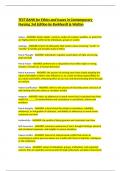
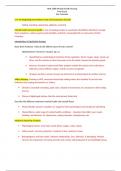
A patient with type 1 diabetes asks the nurse what causes polyuria. What is the nurse's best response? The symptom of polyuria in diabetes mellitus (DM) is caused by - Increase glucose in Urine If a patient with diabetes has advanced glycosylation end products (AGEs), what does the nurse suspect is happening in the patient's body? - Tissue/ cellular injury Which information should the nurse include in a lecture on syndrome of inappropriate antidiuretic hormone (SIADH)? SIADH results in excessive - renal retention of water without sodium retention. A patient with Graves disease has subcutaneous swelling of the anterior leg. Which term should the nurse document on the chart? - Pretibial myxedema A student nurse asks the nurse what causes acromegaly. The nurse should explain that acromegaly is caused by abnormal increases of: - Growth hormone The pathophysiology of type 1 diabetes mellitus (DM) involves: - autoimmune destruction of pancreatic beta cells A patient has thyroid carcinoma. Which of the following will the nurse find on assessment? - Small thyroid nodule Which is the appropriate method for diagnosis of type 1 diabetes? - Evaluating fasting plasma glucose levels Which of the following statements indicates that the nurse needs more teaching? Hyperglycemia can lead to chronic complications of diabetes through: - suppression of oxidative stress. Graves disease is an example of a: - Type II hypersensitivityA patient asks the nurse about the best treatment for multiple myeloma? How should the nurse respond? - Chemotherapy A patient has acute leukemia. A nurse recalls the cell most affected by this disease is a: - blast cell. Which laboratory result will be elevated in a patient with disseminated intravascular coagulation (DIC)? - Fibrin degradation products A nurse suspects that the patient is experiencing disseminated intravascular coagulation (DIC). Which laboratory test should the nurse ask the primary care provider to order? - D-dimer A patient has heparin-induced thrombocytopenia (HIT). Which condition is a priority to assess? - Pulmonary embolism A patient has non-Hodgkin's lymphoma (NHL). When the nurse is reviewing the history, which finding is a risk factor for NHL - Organ transplant 2 years ago Which concept should the nurse include when describing the pathophysiology of thrombotic thrombocytopenic purpura? - Schizocytes/Schistocytes A patient has multiple myeloma. Which area in the body does the nurse closely monitor for the tumor masses? - Bones A patient has acquired immunodeficiency syndrome (AIDS). Which laboratory report should the nurse monitor closely in this patient? - Lymphocyte counts A patient has a "shift to the left" or "left shift." Which other term can the nurse use to describe this finding? - Leukemoid reaction If a patient has secondary hypertension, the nurse realizes that the patient has an abnormal blood pressure caused by: - an underlying disease.A patient has atherosclerosis. Which factor associated with endothelial injury will the nurse observe written in the history? - Autoimmunity A nurse is asked what causes Prinzmetal angina. How should the nurse respond? Prinzmetalanginaiscausedby - vasospasm.
Written for
- Institution
- Nightingale Pathophysiology
- Course
- Nightingale Pathophysiology
Document information
- Uploaded on
- April 23, 2024
- Number of pages
- 5
- Written in
- 2023/2024
- Type
- Exam (elaborations)
- Contains
- Questions & answers
Subjects
-
nightingale pathophysiology