Patient Assessment Exam 2
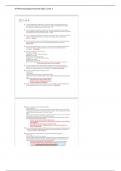
Head, Neck, Respiratory
Recognize and classify sinusitis, allergic rhinitis, and pharyngitis using patient-specific
information
o Sinusitis
Classification
Acute- <4 weeks
Subacute – symptoms 4-12 weeks
Chronic- symptoms >12 weeks
Recurrent- 4+ episodes per year with intermittent symptom
resolution
Complicated bacterial sinusitis- infection extending beyond the
paranasal sinus mucosa into adjacent structures
Pathogens: strep pneumo, h. flu, rhinovirus, adenovirus, influenza-
mostly viral
Symptoms
Nasal congestions
Pressure – nasal
Coryza- common cold
Rhinorrhea
Hypoemia or anosmia (reduced ability to smell/taste)
Fever
Halitosis
HA
Pharyngitis
Physical exam
Erythema or edema
Tenderness in cheeks
Diffuse mucosal edema
Narrowing of meatus
Diagnostic criteria (at least 2 major, or 1 major and >2 minor)
Major symptoms
o Purulent nasal discharge
o Nasal congestion
o Facial congestion/ pressure
o Hyposmia/anosmia
o Fever
Minor symptoms
o HA
o Ear pressure
o Halitosis
, o Dental pain
o Cough
o Fever
o Fatigue
o Rhinitis (allergic)
Classification
Intermittent: <4 days/week OR <4 weeks
Persistent: >4 days/week AND for >4 weeks
Mild: no disruption or impairment of activities/sleep
Moderate-severe: disruption of sleep, daily activities, more
Symptoms, signs
Sneezing, pruritis, rhinorrhea, nasal congestion, postnasal drip,
cough
Infraorbital or periorbital edema
Transverse nasal crease (allergic salute)
Adenoidal breathing
Pale, bluish nasal turbinates
Conjunctival redness and edema
o Pharyngitis
Pathogens:
Coronavirus, adenovirus, herpes simplex, influenza, Epstein-barr
GAS, C.diphtheriae, n. gonorrhoeae, mycoplasma pneumoniae
Symptoms
Sore throat
Dysphagia
Fever
Swollen cervical lymph nodes
Dysphonia
Signs – physical exam
Hyperemia of the pharynx
Tonsillar hypertrophy
Tonsillar exudate
Swollen, tender anterior cervical lymph nodes
Assess the likelihood of group A streptococcal pharyngitis using the Centor criteria
o Clinical decision tool to assess the likelihood of pharyngitis due to group a
streptococcus (GAS)
Tonsillar exudates
Tender anterior cervical adenopathy
Fever by history
Absence of cough
o >/= 3 of above – likely GAS (take a strep test)
o Complications of GAS
, Sinusitis
Retropharyngeal or peritonsillar abscess formation
Rheumatic fever
Glomerulonephritis
Scarlet fever
Distinguish between normal and abnormal lymph nodes and recognize possible causes of
lymphadenopathy
o Normal lymph nodes—discrete, soft, nontender and moveable
o Abnormal (lymphadenopathy): swollen or enlarged
Acute infection- bilaterally enlarged, warm, tender, firm, but moveable
Cancer- unilaterally hard, nontender, and fixed
HIV- bilaterally enlarged, nontender, and moveable
Identify and classify asthma and COPD using patient-specific information
o Asthma
Cough, dyspnea, wheeze
In response to environmental triggers
Level of control
Daytime symptoms >2/ week
Nighttime awakenings
SABA use >2/week
Activity limitations due to asthma
(3-4 = uncontrolled, 1-2 = partly controlled)
o COPD
Emphysema + chronic bronchitis
Dyspnea, chronic cough (worse AM), sputum production, recurrent
wheeze
GOLD classification
All must have FEV1/FVC <0.7
Gold 1: FEV1> 80% (highest function)
Gold 2: FEV1 50-80%
Gold 3: FEV1 30-50%
Gold 4: FEV1 < 30%
Recognize the clinical presentation of respiratory distress and pneumonia
o Respiratory distress
Acute distress
Nasal flaring
Pursed lip breathing
Wheezing
Cyanosis
Accessory muscle use
o Pneumonia
Physical exam signs
Hypoxemia (low O2 sat)
Head, Neck, Respiratory
Recognize and classify sinusitis, allergic rhinitis, and pharyngitis using patient-specific
information
o Sinusitis
Classification
Acute- <4 weeks
Subacute – symptoms 4-12 weeks
Chronic- symptoms >12 weeks
Recurrent- 4+ episodes per year with intermittent symptom
resolution
Complicated bacterial sinusitis- infection extending beyond the
paranasal sinus mucosa into adjacent structures
Pathogens: strep pneumo, h. flu, rhinovirus, adenovirus, influenza-
mostly viral
Symptoms
Nasal congestions
Pressure – nasal
Coryza- common cold
Rhinorrhea
Hypoemia or anosmia (reduced ability to smell/taste)
Fever
Halitosis
HA
Pharyngitis
Physical exam
Erythema or edema
Tenderness in cheeks
Diffuse mucosal edema
Narrowing of meatus
Diagnostic criteria (at least 2 major, or 1 major and >2 minor)
Major symptoms
o Purulent nasal discharge
o Nasal congestion
o Facial congestion/ pressure
o Hyposmia/anosmia
o Fever
Minor symptoms
o HA
o Ear pressure
o Halitosis
, o Dental pain
o Cough
o Fever
o Fatigue
o Rhinitis (allergic)
Classification
Intermittent: <4 days/week OR <4 weeks
Persistent: >4 days/week AND for >4 weeks
Mild: no disruption or impairment of activities/sleep
Moderate-severe: disruption of sleep, daily activities, more
Symptoms, signs
Sneezing, pruritis, rhinorrhea, nasal congestion, postnasal drip,
cough
Infraorbital or periorbital edema
Transverse nasal crease (allergic salute)
Adenoidal breathing
Pale, bluish nasal turbinates
Conjunctival redness and edema
o Pharyngitis
Pathogens:
Coronavirus, adenovirus, herpes simplex, influenza, Epstein-barr
GAS, C.diphtheriae, n. gonorrhoeae, mycoplasma pneumoniae
Symptoms
Sore throat
Dysphagia
Fever
Swollen cervical lymph nodes
Dysphonia
Signs – physical exam
Hyperemia of the pharynx
Tonsillar hypertrophy
Tonsillar exudate
Swollen, tender anterior cervical lymph nodes
Assess the likelihood of group A streptococcal pharyngitis using the Centor criteria
o Clinical decision tool to assess the likelihood of pharyngitis due to group a
streptococcus (GAS)
Tonsillar exudates
Tender anterior cervical adenopathy
Fever by history
Absence of cough
o >/= 3 of above – likely GAS (take a strep test)
o Complications of GAS
, Sinusitis
Retropharyngeal or peritonsillar abscess formation
Rheumatic fever
Glomerulonephritis
Scarlet fever
Distinguish between normal and abnormal lymph nodes and recognize possible causes of
lymphadenopathy
o Normal lymph nodes—discrete, soft, nontender and moveable
o Abnormal (lymphadenopathy): swollen or enlarged
Acute infection- bilaterally enlarged, warm, tender, firm, but moveable
Cancer- unilaterally hard, nontender, and fixed
HIV- bilaterally enlarged, nontender, and moveable
Identify and classify asthma and COPD using patient-specific information
o Asthma
Cough, dyspnea, wheeze
In response to environmental triggers
Level of control
Daytime symptoms >2/ week
Nighttime awakenings
SABA use >2/week
Activity limitations due to asthma
(3-4 = uncontrolled, 1-2 = partly controlled)
o COPD
Emphysema + chronic bronchitis
Dyspnea, chronic cough (worse AM), sputum production, recurrent
wheeze
GOLD classification
All must have FEV1/FVC <0.7
Gold 1: FEV1> 80% (highest function)
Gold 2: FEV1 50-80%
Gold 3: FEV1 30-50%
Gold 4: FEV1 < 30%
Recognize the clinical presentation of respiratory distress and pneumonia
o Respiratory distress
Acute distress
Nasal flaring
Pursed lip breathing
Wheezing
Cyanosis
Accessory muscle use
o Pneumonia
Physical exam signs
Hypoxemia (low O2 sat)