tncc update 2024
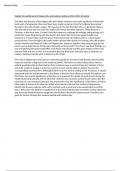
List four different shock syndromes that are classified according to the underlying pathology. - - Hypovolemic - Cardiogenic - Obstructive - Distributive pg. 78 List three conditions associated with obstructive shock. - - Cardiac tamponade - Tension pneumothorax - Air embolus pg. 78-79 Name two mechanisms that may result in hypovolemic shock for the trauma patient. - - Significant loss of whole blood - Loss of the semipermeable integrity of the cellular membrane leading to leakage of plasma and protein. pg. 78 Identify the pathophysiology of cardiogenic shock and some of the causes. - - Inadequate contractility of the heart muscle leads to ineffective perfusion resulting in cardiogenic shock. Causes include: - MI - Blunt cardiac injury - MItral valve insufficiency - Dysrhythmias - Cardiac failure pg. 78 Describe the pathophysiology and identify two examples of distributive shock. - Distributive shock results from disruption of the sympathetic nervous system control of blood vessel tone, resulting in vasodilation and maldistribution of the blood volume. Examples include neurogenic and spinal shock. pg. 79 What is the primary goal of the body during shock state? - The primary goal is to maintain perfusion of the brain, heart, and lungs. pg. 78-80 List the signs of shock resulting from adrenal gland release of catecholamines (epinephrine and norepinephrine). - - Tachycardia - Increased anxiety - Compensatory rise in DBP pg. 81 Identify two physiological reasons for the development of tachypnea during shock. - - Maintain acid/base balance - Maintain an increased oxygen suppl
Written for
- Institution
- TNCC
- Course
- TNCC
Document information
- Uploaded on
- April 12, 2024
- Number of pages
- 10
- Written in
- 2023/2024
- Type
- Exam (elaborations)
- Contains
- Questions & answers
Subjects