1/10
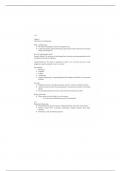
Chapter 1
The Essence of Anthropology
What is anthropology?
● The study of humankind everywhere, throughout time
● A holistic discipline studying the biological and cultural evolution and diversity of human
beings, past and present
How Do Anthropologists Work?
Scientific Method: The collection of data through direct observation and experimentation and the
formulation and testing of hypotheses
Cultural Relativism: The ability to understand a culture on its own terms and not to make
judgements using the standards of one’s own culture
The Subfields:
1. Biological
2. Linguistic
3. Cultural
4. Archaeology
5. Applied Anthropology: Using anthropological knowledge and methods to solve practical
problems
Bio-Anth
● Emphasizes humans as biological organisms, genetics, evolution, and human variation
● Analyzes fossils and observing living primates to reconstruct the ancestry of the human
species
● The biocultural perspective focuses on the interaction of biology and culture
Biology and Culture
● Many cultures alter their bodies for various reasons
○ Ex: classic period AD600 Mayan maxilla with inlaid jade
1/12
Biological Anthropology
● Paleoanthropology: human evolution, studying the biology and culture of past humans
● Genetics: human DNA, evolutionary relationships, migration patterns, blood types,
disorders
● Primatology: study of nonhuman primates
, ● Human Variation: growth and development, phenotypic variability
● Osteology: study of human skeletons (usually ancient)
● Forensic Anthropology: identification of human skeletal remains for legal purposes
(applied Bioanth example)
○ 1. Is it human
○ 2. MNI minimum # of individuals
○ 3. Bio profile (age, sex, ancestry, etc.)
○ 4. Cause of death
Cultural Anthropology
● The study of contemporary human culture focusing on different patterns in human
behavior, thoughts, and feelings
○ Technologies
○ Marriage and family
○ Subsistence patterns
○ Spirituality
○ Social Structure
Studying Culture: Fieldwork
● The term anthropologists use for on-location research:
● Participant Observation - the technique of learning a people’s culture through direct
participation in their everyday life over an extended period of time
Linguistics
The Study of human languages in an attempt to answer how language influences or reflects
culture-
● Descriptive Linguistics - analyzes all of the features of a language
● Historical linguistics focuses on how languages change over time
● Social setting (importance of certain words evidenced by increased number of name to
identify things of special importance)
Archaeology
The Study of human cultures through the recovery and analysis of material remains and
environmental data
● Analyzes ARTIFACTS and their context: tools, pottery, garbage (Tucson Garbage
Project)
● Features: fire hearths, rock cairns, house pits
● Associated with flora and fauna (dead animal bones)
● Utilizes finely controlled evacuation in order to maintain provenience
● Modern technology like geographic information systems (GIS) and ground penetrating
Chapter 1
The Essence of Anthropology
What is anthropology?
● The study of humankind everywhere, throughout time
● A holistic discipline studying the biological and cultural evolution and diversity of human
beings, past and present
How Do Anthropologists Work?
Scientific Method: The collection of data through direct observation and experimentation and the
formulation and testing of hypotheses
Cultural Relativism: The ability to understand a culture on its own terms and not to make
judgements using the standards of one’s own culture
The Subfields:
1. Biological
2. Linguistic
3. Cultural
4. Archaeology
5. Applied Anthropology: Using anthropological knowledge and methods to solve practical
problems
Bio-Anth
● Emphasizes humans as biological organisms, genetics, evolution, and human variation
● Analyzes fossils and observing living primates to reconstruct the ancestry of the human
species
● The biocultural perspective focuses on the interaction of biology and culture
Biology and Culture
● Many cultures alter their bodies for various reasons
○ Ex: classic period AD600 Mayan maxilla with inlaid jade
1/12
Biological Anthropology
● Paleoanthropology: human evolution, studying the biology and culture of past humans
● Genetics: human DNA, evolutionary relationships, migration patterns, blood types,
disorders
● Primatology: study of nonhuman primates
, ● Human Variation: growth and development, phenotypic variability
● Osteology: study of human skeletons (usually ancient)
● Forensic Anthropology: identification of human skeletal remains for legal purposes
(applied Bioanth example)
○ 1. Is it human
○ 2. MNI minimum # of individuals
○ 3. Bio profile (age, sex, ancestry, etc.)
○ 4. Cause of death
Cultural Anthropology
● The study of contemporary human culture focusing on different patterns in human
behavior, thoughts, and feelings
○ Technologies
○ Marriage and family
○ Subsistence patterns
○ Spirituality
○ Social Structure
Studying Culture: Fieldwork
● The term anthropologists use for on-location research:
● Participant Observation - the technique of learning a people’s culture through direct
participation in their everyday life over an extended period of time
Linguistics
The Study of human languages in an attempt to answer how language influences or reflects
culture-
● Descriptive Linguistics - analyzes all of the features of a language
● Historical linguistics focuses on how languages change over time
● Social setting (importance of certain words evidenced by increased number of name to
identify things of special importance)
Archaeology
The Study of human cultures through the recovery and analysis of material remains and
environmental data
● Analyzes ARTIFACTS and their context: tools, pottery, garbage (Tucson Garbage
Project)
● Features: fire hearths, rock cairns, house pits
● Associated with flora and fauna (dead animal bones)
● Utilizes finely controlled evacuation in order to maintain provenience
● Modern technology like geographic information systems (GIS) and ground penetrating