, MNG3701 ASSIGNMENT 2-MANDATORY DUE 23 APRIL 2024
ASSIGNMENT 02 SEMESTER 01
Essay Total marks: 50
Case study MTN Group
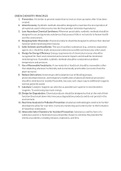
The RBV (Resource-Based View) model is a strategic management theory that suggests
that a firm's resources and capabilities are the primary sources of its competitive
advantage. According to the RBV model, a firm's resources must be valuable, rare,
inimitable, and non-substitutable (VRIN) in order to provide sustained competitive
advantage.
In the case of MTN Group Limited, the company possesses a number of valuable resources
that contribute to its competitive advantage. For example, MTN has a significant presence
in emerging markets in Africa and the Middle East, where it has established a strong brand
and a large customer base. This market presence is a valuable resource for MTN, as it
allows the company to capitalize on the rapid growth of mobile telecommunications in
these regions.
Additionally, MTN has invested heavily in its telecommunications infrastructure, including
networks, spectrum, and technology platforms. These investments have allowed MTN to
offer high-quality voice and data services to its customers, which in turn has helped to
attract and retain subscribers.
Furthermore, MTN has also developed valuable relationships with regulators and
governments in the markets where it operates. These relationships are important
resources for the company, as they allow MTN to navigate complex regulatory
environments and secure the necessary licenses and permissions to operate.
Overall, MTN's resource position is strong, with valuable assets such as its market
presence, infrastructure investments, and relationships with regulators and governments
contributing to its competitive advantage in the telecommunications industry.
The four-corner analysis is a strategic management tool used to analyze a company's
competitive position in the market by considering four key aspects:
- Strengths: What advantages does the company have over its competitors?
- Weaknesses: What are the company's vulnerabilities and limitations?
- Opportunities: What external factors could positively impact the company's
performance?
- Threats: What external factors could negatively impact the company's performance?
ASSIGNMENT 02 SEMESTER 01
Essay Total marks: 50
Case study MTN Group
The RBV (Resource-Based View) model is a strategic management theory that suggests
that a firm's resources and capabilities are the primary sources of its competitive
advantage. According to the RBV model, a firm's resources must be valuable, rare,
inimitable, and non-substitutable (VRIN) in order to provide sustained competitive
advantage.
In the case of MTN Group Limited, the company possesses a number of valuable resources
that contribute to its competitive advantage. For example, MTN has a significant presence
in emerging markets in Africa and the Middle East, where it has established a strong brand
and a large customer base. This market presence is a valuable resource for MTN, as it
allows the company to capitalize on the rapid growth of mobile telecommunications in
these regions.
Additionally, MTN has invested heavily in its telecommunications infrastructure, including
networks, spectrum, and technology platforms. These investments have allowed MTN to
offer high-quality voice and data services to its customers, which in turn has helped to
attract and retain subscribers.
Furthermore, MTN has also developed valuable relationships with regulators and
governments in the markets where it operates. These relationships are important
resources for the company, as they allow MTN to navigate complex regulatory
environments and secure the necessary licenses and permissions to operate.
Overall, MTN's resource position is strong, with valuable assets such as its market
presence, infrastructure investments, and relationships with regulators and governments
contributing to its competitive advantage in the telecommunications industry.
The four-corner analysis is a strategic management tool used to analyze a company's
competitive position in the market by considering four key aspects:
- Strengths: What advantages does the company have over its competitors?
- Weaknesses: What are the company's vulnerabilities and limitations?
- Opportunities: What external factors could positively impact the company's
performance?
- Threats: What external factors could negatively impact the company's performance?