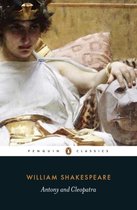
Cleopatra Essay Plan
1. Femininity inc. comparison to Octavia and her manipulation
- Cleo is very seductive compared to Octavia
- How this contributes to her as a powerful figure
- Uses her beauty to manipulate.
- Her theatricality and her playful banter
- Mirrors Elizabeth I in her magnificence, power, and ability to manipulate.
Audience would have connected the Battle of Actium with Elizabeth’s
masculine language during her legendary Tilbury speech.
- Her flamboyant sexuality would have been shocking as it was different
from how women were meant to behave
- ‘Male critics are threatened by Cleopatra’ – Fitz. Earlier male critics
condemned Cleo for a sort of Animal cunning’ and praised Octavia for
being submissive
2. Political tool
- Her manipulation of language and emotions is intertwined with her
political ambitions blurring the lines between personal desire and strategic
manoeuvring.
- Triumvirate a power struggle in the Roman Empire was officially split
between 3 rulers: Octavian Caesar, Mark Antony, and Marcus Lepidus.
- Cleopatra needed Antony in order to revive the old boundaries of the
Ptolemaic Kingdom
- ‘she seems to Love Antony most when he is not there as if enraptured by
an imagined ideal’ - Billington
3. Power she has over Antony
- She uses Antony as a political tool and is very manipulative over him she
conducts his whole life, she causes him to lose his honour and therefore
himself
- Antony kills himself because he thought he had loss Cleo
- In the Merchant of Venice, Portia is another educated and powerful woman
who uses her wiles – in her case to outsmart the smartest man: Shylock
- Anthony following Cleopatra in the sea is emphasised by the influence of
Cleopatra in Plutarch but Shakespeare downplays this
- ‘The captains captain is Cleopatra’ – Williamson
- ‘The play, in fact, might have been called Cleopatra' - Simpson
, Antony Essay Plan
1. Duality of loyalty
- Originally depicted as a valiant roman general committed to ideals of
honour and empire. But he struggles to balance loyalty to Rome with
Cleopatra
- Shifting alliances throughout the okay.
- Structurally the length of Octavia and Antony’s marriage is compressed
compared to Plutarch Shakespeare does this to make us think that Antony
is so infatuated by Cleo
- Anthony following Cleopatra in the sea is emphasised by the influence of
Cleopatra in Plutarch but Shakespeare downplays this
- 'Anthony's rejection of Octavia [is] a symbol of his final break with
Rome'" – Onyett
2. Tragic arc
- Military leader to a tragic figure consumed by inner turmoil and external
pressures
- His loss of honour and reputation decrease
- Anne Hathaway (wife) gave birth to twins, Hamnet and Judith and eleven
years later Hamnet died along with Shakespeare’s father a few years later.
- Although there is no record of the effect this had on Shakespeare there is a
significant change in his writing during these years.
o Up to this point he had only written two tragedies but from 1599 to
1606 he produced a series of tragedies where grief and loss emerge
as major themes.
- Aristotelean tragedy: had the purpose to change the views if the audience.
We watch the events of a tragedy and it refines our own thinking called
‘catharsis.
- 'The tragedy of Antony and Cleopatra is, above all, the tragedy of Antony.'
– Danby
-
3. Egypt vs. Rome
- Egypt is a land of passion and luxury wheras rome is a world of futy and
discipline Antony’s leadership in pleasure and passion compare to caesar’s
pragmatism and planning
- All plays were subject to censorship by a government official called the
Master of the Revels. It was illegal to perform plays which directly
discussed political issues.
- Perhaps explains why Shakespeare’s plays were set during medieval
England or ancient Rome. He could explore questions on how a country
should be ruled without criticising his own government.
- 'Antony is torn between two irreconcilable but equally fundamental parts
of his personality, reflected in the opposing worlds of Egypt and Rome' –
Pippa Donald
- Rome is portrayed as "cold", "white", "male", "logical", and "sexless".
Egypt is portrayed as "hot", "erotic", "exotic", and "irrational". – Lennard
1. Femininity inc. comparison to Octavia and her manipulation
- Cleo is very seductive compared to Octavia
- How this contributes to her as a powerful figure
- Uses her beauty to manipulate.
- Her theatricality and her playful banter
- Mirrors Elizabeth I in her magnificence, power, and ability to manipulate.
Audience would have connected the Battle of Actium with Elizabeth’s
masculine language during her legendary Tilbury speech.
- Her flamboyant sexuality would have been shocking as it was different
from how women were meant to behave
- ‘Male critics are threatened by Cleopatra’ – Fitz. Earlier male critics
condemned Cleo for a sort of Animal cunning’ and praised Octavia for
being submissive
2. Political tool
- Her manipulation of language and emotions is intertwined with her
political ambitions blurring the lines between personal desire and strategic
manoeuvring.
- Triumvirate a power struggle in the Roman Empire was officially split
between 3 rulers: Octavian Caesar, Mark Antony, and Marcus Lepidus.
- Cleopatra needed Antony in order to revive the old boundaries of the
Ptolemaic Kingdom
- ‘she seems to Love Antony most when he is not there as if enraptured by
an imagined ideal’ - Billington
3. Power she has over Antony
- She uses Antony as a political tool and is very manipulative over him she
conducts his whole life, she causes him to lose his honour and therefore
himself
- Antony kills himself because he thought he had loss Cleo
- In the Merchant of Venice, Portia is another educated and powerful woman
who uses her wiles – in her case to outsmart the smartest man: Shylock
- Anthony following Cleopatra in the sea is emphasised by the influence of
Cleopatra in Plutarch but Shakespeare downplays this
- ‘The captains captain is Cleopatra’ – Williamson
- ‘The play, in fact, might have been called Cleopatra' - Simpson
, Antony Essay Plan
1. Duality of loyalty
- Originally depicted as a valiant roman general committed to ideals of
honour and empire. But he struggles to balance loyalty to Rome with
Cleopatra
- Shifting alliances throughout the okay.
- Structurally the length of Octavia and Antony’s marriage is compressed
compared to Plutarch Shakespeare does this to make us think that Antony
is so infatuated by Cleo
- Anthony following Cleopatra in the sea is emphasised by the influence of
Cleopatra in Plutarch but Shakespeare downplays this
- 'Anthony's rejection of Octavia [is] a symbol of his final break with
Rome'" – Onyett
2. Tragic arc
- Military leader to a tragic figure consumed by inner turmoil and external
pressures
- His loss of honour and reputation decrease
- Anne Hathaway (wife) gave birth to twins, Hamnet and Judith and eleven
years later Hamnet died along with Shakespeare’s father a few years later.
- Although there is no record of the effect this had on Shakespeare there is a
significant change in his writing during these years.
o Up to this point he had only written two tragedies but from 1599 to
1606 he produced a series of tragedies where grief and loss emerge
as major themes.
- Aristotelean tragedy: had the purpose to change the views if the audience.
We watch the events of a tragedy and it refines our own thinking called
‘catharsis.
- 'The tragedy of Antony and Cleopatra is, above all, the tragedy of Antony.'
– Danby
-
3. Egypt vs. Rome
- Egypt is a land of passion and luxury wheras rome is a world of futy and
discipline Antony’s leadership in pleasure and passion compare to caesar’s
pragmatism and planning
- All plays were subject to censorship by a government official called the
Master of the Revels. It was illegal to perform plays which directly
discussed political issues.
- Perhaps explains why Shakespeare’s plays were set during medieval
England or ancient Rome. He could explore questions on how a country
should be ruled without criticising his own government.
- 'Antony is torn between two irreconcilable but equally fundamental parts
of his personality, reflected in the opposing worlds of Egypt and Rome' –
Pippa Donald
- Rome is portrayed as "cold", "white", "male", "logical", and "sexless".
Egypt is portrayed as "hot", "erotic", "exotic", and "irrational". – Lennard