Bleeding in Late Pregnancy (Antepartum Haemorrhage)
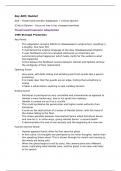
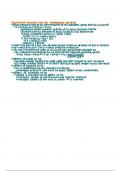
Antepartum haemorrhage = vaginal bleeding afer 24 week’s gestaton and before labour
Epidemiology - 4-5% of all pregnancies
DDXs
Life-threatening:
Placental praevia (20%) - Low lying placenta covering the cervix
Placental abrupton (30%) – separates from wall of endometrium
Ruptured vasa praevia (<1%) – bleeding vessels from foetus
Uterine scar disrupton – during labour of woman with previous C-sectonn Concealed bleedingn Abdomen
becomes rock hardn Foetal bradycardian
Non-life threatening (<50%):
Cervical causes - Ectropion, Polyp, Cancer, Cervcits
Bloody show – mucus plug comes away in labour giving way for uterine blood
Vaginal trauma
Diagnosis
Examinaton:
Vital signs
NO DIGITAL VAGINAL EXAM untl placental praevia has been excluded (~ gentle speculum exam )
Assess - Foetal lie, weight, and FHR
Bloods:
Blood group
FBC + haematocrit
Coag tests
USS (TVS):
Locates placental edge & internal sac
Management
Protocol for antepartum haemorrhage
Foetal distress of Maternal haemodynamic instability (whichever gestaton)
1) ABCD
2) Full dose Ant-D if RhD- (Before emergency delivery)
3) Volume and blood replacement
4) Stll unstable Emergency delivery
5) Becomes stable treat as stable
Foetus and Mother stable
1) USS every 2 weeks
2) Placenta previa Book Electve delivery for week 37-38
3) No placenta previa Examine to exclude local causes of bleeding Expectant management
Antepartum haemorrhage = vaginal bleeding afer 24 week’s gestaton and before labour
Epidemiology - 4-5% of all pregnancies
DDXs
Life-threatening:
Placental praevia (20%) - Low lying placenta covering the cervix
Placental abrupton (30%) – separates from wall of endometrium
Ruptured vasa praevia (<1%) – bleeding vessels from foetus
Uterine scar disrupton – during labour of woman with previous C-sectonn Concealed bleedingn Abdomen
becomes rock hardn Foetal bradycardian
Non-life threatening (<50%):
Cervical causes - Ectropion, Polyp, Cancer, Cervcits
Bloody show – mucus plug comes away in labour giving way for uterine blood
Vaginal trauma
Diagnosis
Examinaton:
Vital signs
NO DIGITAL VAGINAL EXAM untl placental praevia has been excluded (~ gentle speculum exam )
Assess - Foetal lie, weight, and FHR
Bloods:
Blood group
FBC + haematocrit
Coag tests
USS (TVS):
Locates placental edge & internal sac
Management
Protocol for antepartum haemorrhage
Foetal distress of Maternal haemodynamic instability (whichever gestaton)
1) ABCD
2) Full dose Ant-D if RhD- (Before emergency delivery)
3) Volume and blood replacement
4) Stll unstable Emergency delivery
5) Becomes stable treat as stable
Foetus and Mother stable
1) USS every 2 weeks
2) Placenta previa Book Electve delivery for week 37-38
3) No placenta previa Examine to exclude local causes of bleeding Expectant management