Inhoud
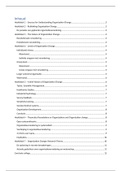
Hoofdstuk 1 – Sources for Understanding Organizaton hange............................................................3
Hoofdstuk 2 – Rethinking Organizaton hange.....................................................................................3
De paradox van geplande organisateverandering.............................................................................3
Hoofdstuk 5 – The Nature of Organizaton hange................................................................................3
Revolutonaire verandering................................................................................................................3
Evolutonaire verandering..................................................................................................................3
Hoofdstuk 6 – Levels of Organizaton hange........................................................................................4
Individueel niveau..............................................................................................................................4
Weerstand......................................................................................................................................4
Individu omgaan met verandering..................................................................................................4
Groep level.........................................................................................................................................5
Weerstand......................................................................................................................................5
Groep omgaan met verandering.....................................................................................................5
Larger systeem/organisate................................................................................................................5
Weerstand..........................................................................................................................................6
Hoofdstuk 3 – A brief history of Organizaton hange............................................................................6
Taylor, Scientic Management...........................................................................................................6
Hawthorne Studies.............................................................................................................................7
Industrial Psychology..........................................................................................................................7
Survey feedback.................................................................................................................................7
Sensitvity training..............................................................................................................................7
Sociotechnichal systems.....................................................................................................................7
Organizaton Development.................................................................................................................8
onclusie............................................................................................................................................8
Hoofdstuk 4 – Theoretcal foundatons or Organizatons and Organizaton change...............................8
Open systeemtheorie.........................................................................................................................8
Organisateverandering is systematsch.............................................................................................9
Verdieping in organisateverandering.................................................................................................9
3 criteria van apra.............................................................................................................................9
Implicates........................................................................................................................................10
Hoofdstuk 7 – Organizaton hange: Research Theory.........................................................................10
De oplossing in recente benaderingen.............................................................................................11
Actuele gedachten over organisateverandering en wetenschap.....................................................11
onclusie college..................................................................................................................................12
,Hoofdstuk 8 – onceptual Models for Understanding Organizaton hange.......................................12
ontent: wat gaan we veranderen...................................................................................................12
Proces: hoe gaan we dat doen?........................................................................................................12
Praktsche framework.......................................................................................................................13
Strategische veranderingen..............................................................................................................14
Empirical-ratonal strategy...........................................................................................................14
Normateve-reeducatve strategy.................................................................................................14
Power-coercive strategy...............................................................................................................14
Hoofdstuk 9 – Integrated models.........................................................................................................14
De modellen.....................................................................................................................................15
Weisbord Six-Box Model...............................................................................................................15
Nadler-Tushman ongruence model............................................................................................15
Tichy’s TP model.........................................................................................................................15
Hfd 10 – Burke-Litwin model................................................................................................................16
Hoofdstuk 11 – Organizatonl ulture hange......................................................................................17
The Britsh Airways...........................................................................................................................17
Hoofdstuk 12 – Understanding and working with loosely coupled systems.........................................18
Hoofdstuk 13 – Health are and Government Organizatons...............................................................18
Hoofdstuk 14 – Transformatonal Leadership.......................................................................................18
Deinite van leiderschap..................................................................................................................18
Verschil leiderschap en management...............................................................................................18
Bass...................................................................................................................................................18
onceptuele complexiteit.................................................................................................................19
Demanding.......................................................................................................................................19
Howard Gardner’s hanging Minds (2004).......................................................................................19
Hoofdstuk 15 – Leading Organizaton hange......................................................................................19
Hoofdstuk 16 – Summary and integraton............................................................................................20
hanging the Organizaton...............................................................................................................20
Hoofdstuk 17 – What we need to know...............................................................................................21
, HC1 – inleiding en concepten
Hoofdstuk 1 – Sources for Understanding Organization
Change
Dit is een kleine hoofdstuk. Burke noemt dat er eigenlijk 2 soorten veranderingen zijn. Planned vs.
Unplanned changes en revolutonair vs evolutonair. Meeste veranderingen blijken niet gepland te
zijn. En als veranderingen wel gepland zijn, zijn ze vaak niet succesvol. Maar nadruk van Burke ligt op
geplande revolutonaire verandering.
Er is wetenschappelijk literatuur maar in dun aanbod. Vaak is literatuur van consultancy goeroes
zoals Kotter. Die komt met een 8 stapsplan die erg aantrekkelijk te gebruiken is voor organisate.
Burke gebruikt ze allemaal in zijn boek.
Hoofdstuk 2 – Rethinking Organization Change
De paradox van geplande organisatieverandering
We denken bij verandering dat het een lineaire gebeurtenis is, en dat is het ook vaak voor het
geplande deel, maar de implementate daarvan is echter nonlineair. Het is vaak 1 stap voorruit en
dan weer 40 stappen terug. Dat is de paradox van geplande organisateverandering.
Hoofdstuk 5 – The Nature of Organization Change
Burke noemt twee basisvormen van verandering. Evolutonaire en revolutonaire verandering.
Revolutionaire verandering
Verschillende wetenschappers hebben zo hun eigen deinite hierover. Burke noemt Deep structure.
1. Deep structure: De deep structure kun je uiteenzetten in individu, groep en organisate. Op
individu = onderliggende levenspatronen. In een groep zijn dat gekozen structuur en proces.
En grote organisate gaat het om onderliggende cultuur. Daar gaat het over in revolutonaire
verandering als het gaat om deep structure.
2. Equilibrium periods: tjdelijke evenwichten door weerstand.
3. Revolutonair periods: interne disruptes trekken subsystemen uit de alginment en uit
omgeving. Systeem komt ineens in gevarenzone terecht waardoor het gaat veranderen om
te blijven overleven.
Evolutionaire verandering
Meer dan 95% van de veranderingen zijn van evolutonaire aard. Evolutonaire verandering is
contnuous change en wordt beschouwd als incrementeel en onafgebroken. Er zijn wel substantele
veranderingen die revolutonair kunnen worden, maar als de veranderingen gedeeltelijk zijn en niet
de deep structure raken, dan blijf het evolutonair.
Petgrew vind verandermanagement literatuur
- Ahistorisch
- Acontextueel
- Aprocessueel
Daarover meer in artkel van Kuipers.
Hoofdstuk 1 – Sources for Understanding Organizaton hange............................................................3
Hoofdstuk 2 – Rethinking Organizaton hange.....................................................................................3
De paradox van geplande organisateverandering.............................................................................3
Hoofdstuk 5 – The Nature of Organizaton hange................................................................................3
Revolutonaire verandering................................................................................................................3
Evolutonaire verandering..................................................................................................................3
Hoofdstuk 6 – Levels of Organizaton hange........................................................................................4
Individueel niveau..............................................................................................................................4
Weerstand......................................................................................................................................4
Individu omgaan met verandering..................................................................................................4
Groep level.........................................................................................................................................5
Weerstand......................................................................................................................................5
Groep omgaan met verandering.....................................................................................................5
Larger systeem/organisate................................................................................................................5
Weerstand..........................................................................................................................................6
Hoofdstuk 3 – A brief history of Organizaton hange............................................................................6
Taylor, Scientic Management...........................................................................................................6
Hawthorne Studies.............................................................................................................................7
Industrial Psychology..........................................................................................................................7
Survey feedback.................................................................................................................................7
Sensitvity training..............................................................................................................................7
Sociotechnichal systems.....................................................................................................................7
Organizaton Development.................................................................................................................8
onclusie............................................................................................................................................8
Hoofdstuk 4 – Theoretcal foundatons or Organizatons and Organizaton change...............................8
Open systeemtheorie.........................................................................................................................8
Organisateverandering is systematsch.............................................................................................9
Verdieping in organisateverandering.................................................................................................9
3 criteria van apra.............................................................................................................................9
Implicates........................................................................................................................................10
Hoofdstuk 7 – Organizaton hange: Research Theory.........................................................................10
De oplossing in recente benaderingen.............................................................................................11
Actuele gedachten over organisateverandering en wetenschap.....................................................11
onclusie college..................................................................................................................................12
,Hoofdstuk 8 – onceptual Models for Understanding Organizaton hange.......................................12
ontent: wat gaan we veranderen...................................................................................................12
Proces: hoe gaan we dat doen?........................................................................................................12
Praktsche framework.......................................................................................................................13
Strategische veranderingen..............................................................................................................14
Empirical-ratonal strategy...........................................................................................................14
Normateve-reeducatve strategy.................................................................................................14
Power-coercive strategy...............................................................................................................14
Hoofdstuk 9 – Integrated models.........................................................................................................14
De modellen.....................................................................................................................................15
Weisbord Six-Box Model...............................................................................................................15
Nadler-Tushman ongruence model............................................................................................15
Tichy’s TP model.........................................................................................................................15
Hfd 10 – Burke-Litwin model................................................................................................................16
Hoofdstuk 11 – Organizatonl ulture hange......................................................................................17
The Britsh Airways...........................................................................................................................17
Hoofdstuk 12 – Understanding and working with loosely coupled systems.........................................18
Hoofdstuk 13 – Health are and Government Organizatons...............................................................18
Hoofdstuk 14 – Transformatonal Leadership.......................................................................................18
Deinite van leiderschap..................................................................................................................18
Verschil leiderschap en management...............................................................................................18
Bass...................................................................................................................................................18
onceptuele complexiteit.................................................................................................................19
Demanding.......................................................................................................................................19
Howard Gardner’s hanging Minds (2004).......................................................................................19
Hoofdstuk 15 – Leading Organizaton hange......................................................................................19
Hoofdstuk 16 – Summary and integraton............................................................................................20
hanging the Organizaton...............................................................................................................20
Hoofdstuk 17 – What we need to know...............................................................................................21
, HC1 – inleiding en concepten
Hoofdstuk 1 – Sources for Understanding Organization
Change
Dit is een kleine hoofdstuk. Burke noemt dat er eigenlijk 2 soorten veranderingen zijn. Planned vs.
Unplanned changes en revolutonair vs evolutonair. Meeste veranderingen blijken niet gepland te
zijn. En als veranderingen wel gepland zijn, zijn ze vaak niet succesvol. Maar nadruk van Burke ligt op
geplande revolutonaire verandering.
Er is wetenschappelijk literatuur maar in dun aanbod. Vaak is literatuur van consultancy goeroes
zoals Kotter. Die komt met een 8 stapsplan die erg aantrekkelijk te gebruiken is voor organisate.
Burke gebruikt ze allemaal in zijn boek.
Hoofdstuk 2 – Rethinking Organization Change
De paradox van geplande organisatieverandering
We denken bij verandering dat het een lineaire gebeurtenis is, en dat is het ook vaak voor het
geplande deel, maar de implementate daarvan is echter nonlineair. Het is vaak 1 stap voorruit en
dan weer 40 stappen terug. Dat is de paradox van geplande organisateverandering.
Hoofdstuk 5 – The Nature of Organization Change
Burke noemt twee basisvormen van verandering. Evolutonaire en revolutonaire verandering.
Revolutionaire verandering
Verschillende wetenschappers hebben zo hun eigen deinite hierover. Burke noemt Deep structure.
1. Deep structure: De deep structure kun je uiteenzetten in individu, groep en organisate. Op
individu = onderliggende levenspatronen. In een groep zijn dat gekozen structuur en proces.
En grote organisate gaat het om onderliggende cultuur. Daar gaat het over in revolutonaire
verandering als het gaat om deep structure.
2. Equilibrium periods: tjdelijke evenwichten door weerstand.
3. Revolutonair periods: interne disruptes trekken subsystemen uit de alginment en uit
omgeving. Systeem komt ineens in gevarenzone terecht waardoor het gaat veranderen om
te blijven overleven.
Evolutionaire verandering
Meer dan 95% van de veranderingen zijn van evolutonaire aard. Evolutonaire verandering is
contnuous change en wordt beschouwd als incrementeel en onafgebroken. Er zijn wel substantele
veranderingen die revolutonair kunnen worden, maar als de veranderingen gedeeltelijk zijn en niet
de deep structure raken, dan blijf het evolutonair.
Petgrew vind verandermanagement literatuur
- Ahistorisch
- Acontextueel
- Aprocessueel
Daarover meer in artkel van Kuipers.