Entomology
Week 5
Graham Holloway
Strepsiptera to Diptera
1. Strepsiptera;
- Internal parasites of hymenptera/ hemiptera/ orthoptera. Only M can fly, F never
leave the host. Possess halteres, “twisted wing”
- 600sp [10 UK]
2. Coleoptera; [Beetles]
- “sheath wing”, 350,000 sp [4,000 UK]
- Beetle = bitela = little biter
- Suborders;
a. Archostemata;
o 50sp, primitive characteristics, first emerged 250mya, both sexes are
paedogenic [reproduced whilst retained larval features]
b. Myxophaga;
o 65sp [1UK], hygropetric habitat [live in thin layer of water which covers a
rock] or sand grains
o Clubbed antenna, adapted to feed on algae- mouthparts lack galeae and
mobile tooth.
c. Adephaga;
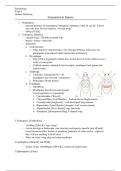
1. Carabidae; [Ground beetle = all
mouthparts face forward = predatory]
2. Dytiscidae; [Water beetle]
d. Polyphaga;
o 300,000 sp
o Mouthparts face downwards towards
food [vegetation or oviposition]
1. Curculionidae; [Weevil]
2. Chrysomelidae; [Leaf Beetles] – feed on leaves/ bright colours
3. Cerambycidae [longhorns] – well developed long antenna
4. Buprestidae; [Jewel Beetles] elongate/ oval/ serrate antenna
5. Staphylinidae; [Rove Beetle] long, thin body
6. Hemiptera; [Heteropteran Bug] X shaped wing
3.Trichoptera; [Caddisflies]
- 13,000sp [200 UK] “hair wings”
- Larvae develop in freshwater, case structure used species specific [not all build
cases] larvae are filter feeders or predatory [indicator of clean water] = captivity
they will use anything to build cases
- Hairy on veins/ wing edge and wing membrane
4.Lepidoptera; [Butterfly and Moth]
- Scaley wings, 160,000spp [2500 UK], exclusively herbivorous
5.Siphonaptera; [Fleas]
Week 5
Graham Holloway
Strepsiptera to Diptera
1. Strepsiptera;
- Internal parasites of hymenptera/ hemiptera/ orthoptera. Only M can fly, F never
leave the host. Possess halteres, “twisted wing”
- 600sp [10 UK]
2. Coleoptera; [Beetles]
- “sheath wing”, 350,000 sp [4,000 UK]
- Beetle = bitela = little biter
- Suborders;
a. Archostemata;
o 50sp, primitive characteristics, first emerged 250mya, both sexes are
paedogenic [reproduced whilst retained larval features]
b. Myxophaga;
o 65sp [1UK], hygropetric habitat [live in thin layer of water which covers a
rock] or sand grains
o Clubbed antenna, adapted to feed on algae- mouthparts lack galeae and
mobile tooth.
c. Adephaga;
1. Carabidae; [Ground beetle = all
mouthparts face forward = predatory]
2. Dytiscidae; [Water beetle]
d. Polyphaga;
o 300,000 sp
o Mouthparts face downwards towards
food [vegetation or oviposition]
1. Curculionidae; [Weevil]
2. Chrysomelidae; [Leaf Beetles] – feed on leaves/ bright colours
3. Cerambycidae [longhorns] – well developed long antenna
4. Buprestidae; [Jewel Beetles] elongate/ oval/ serrate antenna
5. Staphylinidae; [Rove Beetle] long, thin body
6. Hemiptera; [Heteropteran Bug] X shaped wing
3.Trichoptera; [Caddisflies]
- 13,000sp [200 UK] “hair wings”
- Larvae develop in freshwater, case structure used species specific [not all build
cases] larvae are filter feeders or predatory [indicator of clean water] = captivity
they will use anything to build cases
- Hairy on veins/ wing edge and wing membrane
4.Lepidoptera; [Butterfly and Moth]
- Scaley wings, 160,000spp [2500 UK], exclusively herbivorous
5.Siphonaptera; [Fleas]