How strong was the British Economy by 1914
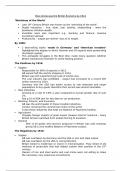
‘Workshop of the World’
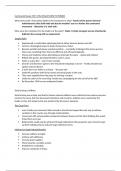
Late 19th Century Britain was known as the ‘workshop of the world’
Staple industries – iron, steel, coal, textiles, shipbuilding – were the
backbone of British wealth.
Invisibles were also important e.g., banking and finance, massive
investment abroad.
Productivity – output per worker- was at its height.
By 1900:
2 best-selling books ‘made in Germany’ and ‘American Invaders’
highlighted the degree to which German and US exports were penetrating
the British market.
This alongside struggles in the Boer War, made many question whether
Britain would/could maintain its world leading position.
The Positives by 1914:
Staples
Responsible for 60% of exports in 1913.
GB owned half the world’s shipping in 1914.
Britain was still outperforming rivals of similar size.
The coal industry was profitable – output had increased to a record 287
million tonnes by 1914.
Germany and the USA had easier access to raw materials and larger
populations to buy goods therefore their ascent was almost inevitable.
New industries
Growing at a rate of 3.8% a year compared to overall growth rate of over
2%.
See p.16 of AQA text for key data on car production.
Banking, Finance, and Insurance
GB was the world leader in these invisible industries.
London remained the commercial centre of the world.
It was these industries that kept our Balance of Payments healthy.
Agriculture
Cheaper foreign imports of grain meant cheaper food for livestock – many
British farmers switched from arable farming to livestock.
General
30% of all goods and services produced in Britain was sold overseas
giving GB a very healthy Balance of Payments surplus.
The Negatives by 1914:
Staples
GB was overtaken by Germany and the USA in iron and steel output.
GB was overtaken by the USA in coal production.
Britain failed to modernise or invest in mechanisation. They relied of old
methods of production that had helped sustain their position in the 19 th
century.
Owners of iron and steel works and coal mines were not willing to make
the necessary very expensive investments.
‘Workshop of the World’
Late 19th Century Britain was known as the ‘workshop of the world’
Staple industries – iron, steel, coal, textiles, shipbuilding – were the
backbone of British wealth.
Invisibles were also important e.g., banking and finance, massive
investment abroad.
Productivity – output per worker- was at its height.
By 1900:
2 best-selling books ‘made in Germany’ and ‘American Invaders’
highlighted the degree to which German and US exports were penetrating
the British market.
This alongside struggles in the Boer War, made many question whether
Britain would/could maintain its world leading position.
The Positives by 1914:
Staples
Responsible for 60% of exports in 1913.
GB owned half the world’s shipping in 1914.
Britain was still outperforming rivals of similar size.
The coal industry was profitable – output had increased to a record 287
million tonnes by 1914.
Germany and the USA had easier access to raw materials and larger
populations to buy goods therefore their ascent was almost inevitable.
New industries
Growing at a rate of 3.8% a year compared to overall growth rate of over
2%.
See p.16 of AQA text for key data on car production.
Banking, Finance, and Insurance
GB was the world leader in these invisible industries.
London remained the commercial centre of the world.
It was these industries that kept our Balance of Payments healthy.
Agriculture
Cheaper foreign imports of grain meant cheaper food for livestock – many
British farmers switched from arable farming to livestock.
General
30% of all goods and services produced in Britain was sold overseas
giving GB a very healthy Balance of Payments surplus.
The Negatives by 1914:
Staples
GB was overtaken by Germany and the USA in iron and steel output.
GB was overtaken by the USA in coal production.
Britain failed to modernise or invest in mechanisation. They relied of old
methods of production that had helped sustain their position in the 19 th
century.
Owners of iron and steel works and coal mines were not willing to make
the necessary very expensive investments.