
Summary Cardiovascular: CV CV 2
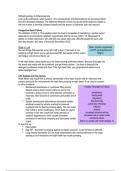
Pathophysiology of Artherosclerosis Look up the pathophys..what causes it. The consequences of artherosclerosis are decreased blood flow and decreased elasticity. The difference between chronic and acute artherosclerosis relates to the time it takes to develop collateral vessels and the amount of ischemia, pain and necrosis. Congestive Heart Failure The definition of CHF is “The situation when the heart is incapable of maintaining a cardiac output adequate to accommodate metabolic requirements and the venous return.” (E. Braunwald) It affects 4.6 million Americans, with 400,000 new cases each year. 260,000 people die each year from this disease, and many of these pts died without ACEi. Right vs. Left The two things that basically occur with CHF is that 1) the heart is not pumping enough blood, so you get decreased BP, decreased cardiac output and fatigue; and 2) blood backs up! In left heart failure, blood backs up to the lungs causing pulmonary edema. Because fluid gets into the alveoli and reacts with the surfactant, you get foamy sputum…the foam is basically the detergent (surfactant) mixed with fluid. If the right heart fails, you get peripheral edema and a tender/enlarged liver.
Document information
- Uploaded on
- January 24, 2024
- Number of pages
- 12
- Written in
- 2023/2024
- Type
- Summary


