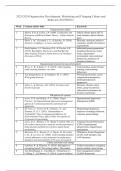
2023-2024 Organization Development: Monitoring and Changing Culture and
Behavior (201700822)
Week Content and/or titles Keywords
Organizational culture
1 Martin, K.D. & Cullen, J.B. (2006). Continuities and Ethical climate theory (ECT),
Extensions of Ethical Climate Theory: A Meta-Analytic work climates, ethical climate
Review. types
1 Shore, L. M., Cleveland, J. N., & Sanchez, D. (2018). Diversity, inclusion, inclusive
Inclusive workplaces: A review and model. constructs, (model of) inclusive
organizations
1 Kish-Gephart, J.J., Harrison, D.A., & Trevino, L.K. Individual/group/organization
(2010). Bad Apples, Bad Cases, and Bad Barrels: (un)ethical decisions, moral
Meta-Analytic Evidence About Sources of Unethical issues, organization
Decisions at Work. environment, meta analytical
framework, predictors of
(un)ethical behavior
Organizational structure & team development
2 Wiese, C. W. & Burke, C. S. (2019). Understanding Team learning, model of team
team learning dynamics over time. learning, team learning
behaviours
2 Van Knippenberg, D., & Schippers, M. C. (2007). Work group diversity, social
Work group diversity. categorization perspective,
information/decision
perspective
2 Jetten, J., & Hornsey, M.J. (2014). Deviance and Deviance, dissent, moral
dissent in groups. rebels, group locomotion,
value/motives/tolerance for
deviance and dissent
HR policies & systems
3 Avery, D. R. and McKay, P. F. (2006), Target Organizational Impression
Practice: An Organizational impression management Management (OIM)
approach to attracting minority and female job
applicants.
3 De Vries, G., Terwel, B. W., Ellemers, N., and Dispositional skepticism,
Daamen, D. D. L. (2015), Sustainability or suspicion of strategic behavior,
Profitability? How Communicated Motives for corporate greenwashing
Environmental Policy Affect Public Perceptions of
Corporate Greenwashing.
3 Jones, D. A., Willness C. R., Madey S. (2014). Why are Corporate Social Performance
job seekers attracted by corporate social performance? (CSP), Organizational
Experimental and field tests of three signal-based attractiveness, Signal-based
mechanisms. mechanisms.
3 Harrison, D. A., Kravitz, D. A., Mayer, D. M., Leslie, Affirmitive Action Programme
L. M., & Lev-Arey, D. (2006). Understanding attitudes (AAP), AAP attitudes, four
toward affirmative action programs in employment: AAP structures
Summary and meta-analysis of 35 years of research.
Culture and behavioral change
4 Scholten, W. & Ellemers, N. (2016). Bad apples or Traders misconduct, corrupting
corrupting barrels? Preventing traders’ Misconduct. barrels method, moral climae
4 Van Steenbergen, E., Van Dijk, D., Christensen, C., Error management culture,
Coffeng, T., & Ellemers, N. (2019). Learn to build an LEARN framework
, error management culture.
4 Ellemers, N., Kingma, L., Van de Burgt, J., & Barreto, Corporate Social Responsibilty
M. (2011). Corporate social responsibility as a source (CSR), Organizational morality
of organizational morality, employee commitment and and pride, Commitment and
satisfaction. satisfaction
1. Title
Martin, K.D. & Cullen, J.B. (2006). Continuities and Extensions of Ethical Climate Theory: A Meta-
Analytic Review. Journal of Business Ethics. 69: 175. doi:10.1007/s10551-006-9084-7
,Research question
Researchers conducted a comprehensive review of the state of Ethical Climate Theory (ECT),
considering what is known and what remains to be discovered. The aim is to understand the
widespread application of the ethical climate construct to organizational issues
Main findings or conclusions
Relationships Between Ethical Climates and Organizational Outcomes:
Caring Climates: Positively related to affective responses to the organization, such as
organizational commitment, job satisfaction, psychological well-being, and negatively related
to dysfunctional behavior.
Instrumental Climates: Negatively related to affective responses to the organization.
Rules Climates: When perceived to be internalized within the organization, positively related
to organizational outcomes and serve as effective control mechanisms.
Independence Climates: Generally weak relationships with most outcomes.
Reducing Organizational Misbehaviors: Caring, law and code, rules, and independence
climate perceptions are associated with a reduction in organizational misbehaviors such as
stealing and sabotage.
Control Mechanisms of Rules Climates: Rules climates, when perceived, serve as effective
control mechanisms but may not necessarily produce strong attachment to the organization.
Key concepts described in article
Ethical Climate Theory (ECT) Ethical climate is a type of organizational work
climate and focuses on understanding the ethical
environment within organizations. They are
shared perceptions of procedures, policies, and
practices, both formal and informal, of the
organization
Work climates Work climates are framed broadly in terms of
organizational norms and conventions that are
seen by organizational actors to exist within the
structure and procedures of the organization. In
particular, climates are understood as shared
perceptions of procedures, policies, and
practices, both formal and informal, of the
organization.
Ethical climates types (fig 1 & 2) Instrumental:
Having norms and expectations that encourage
ethical decision-making from an egoistic
perspective.
Caring:
Where individuals perceive that decisions are
and should be based on an overarching concern
for the well-being of others. They perceive that
ethical concern exists for others within the
organization, as well as society at large.
Independence:
In this view of the organization, decisions with
moral consequences should emphasize personal
, moral beliefs with deep consideration and
minimal regard for external forces and outside
influence on ethical quandaries.
Law and Code:
Is based on the perception that the organization
supports principled decision-making based on
external codes such as the law, the Bible, or
professional codes of conduct.
Rules:
Organizational decisions are perceived to be
guided by a strong, pervasive set of local rules
or standards such as codes of conduct.
Ethical climate relationships (fig 4.) The relation(s) between organization
commitment and job satisfaction with the ethical
climate typs and their respective outcomes of
this relation
Behavior (201700822)
Week Content and/or titles Keywords
Organizational culture
1 Martin, K.D. & Cullen, J.B. (2006). Continuities and Ethical climate theory (ECT),
Extensions of Ethical Climate Theory: A Meta-Analytic work climates, ethical climate
Review. types
1 Shore, L. M., Cleveland, J. N., & Sanchez, D. (2018). Diversity, inclusion, inclusive
Inclusive workplaces: A review and model. constructs, (model of) inclusive
organizations
1 Kish-Gephart, J.J., Harrison, D.A., & Trevino, L.K. Individual/group/organization
(2010). Bad Apples, Bad Cases, and Bad Barrels: (un)ethical decisions, moral
Meta-Analytic Evidence About Sources of Unethical issues, organization
Decisions at Work. environment, meta analytical
framework, predictors of
(un)ethical behavior
Organizational structure & team development
2 Wiese, C. W. & Burke, C. S. (2019). Understanding Team learning, model of team
team learning dynamics over time. learning, team learning
behaviours
2 Van Knippenberg, D., & Schippers, M. C. (2007). Work group diversity, social
Work group diversity. categorization perspective,
information/decision
perspective
2 Jetten, J., & Hornsey, M.J. (2014). Deviance and Deviance, dissent, moral
dissent in groups. rebels, group locomotion,
value/motives/tolerance for
deviance and dissent
HR policies & systems
3 Avery, D. R. and McKay, P. F. (2006), Target Organizational Impression
Practice: An Organizational impression management Management (OIM)
approach to attracting minority and female job
applicants.
3 De Vries, G., Terwel, B. W., Ellemers, N., and Dispositional skepticism,
Daamen, D. D. L. (2015), Sustainability or suspicion of strategic behavior,
Profitability? How Communicated Motives for corporate greenwashing
Environmental Policy Affect Public Perceptions of
Corporate Greenwashing.
3 Jones, D. A., Willness C. R., Madey S. (2014). Why are Corporate Social Performance
job seekers attracted by corporate social performance? (CSP), Organizational
Experimental and field tests of three signal-based attractiveness, Signal-based
mechanisms. mechanisms.
3 Harrison, D. A., Kravitz, D. A., Mayer, D. M., Leslie, Affirmitive Action Programme
L. M., & Lev-Arey, D. (2006). Understanding attitudes (AAP), AAP attitudes, four
toward affirmative action programs in employment: AAP structures
Summary and meta-analysis of 35 years of research.
Culture and behavioral change
4 Scholten, W. & Ellemers, N. (2016). Bad apples or Traders misconduct, corrupting
corrupting barrels? Preventing traders’ Misconduct. barrels method, moral climae
4 Van Steenbergen, E., Van Dijk, D., Christensen, C., Error management culture,
Coffeng, T., & Ellemers, N. (2019). Learn to build an LEARN framework
, error management culture.
4 Ellemers, N., Kingma, L., Van de Burgt, J., & Barreto, Corporate Social Responsibilty
M. (2011). Corporate social responsibility as a source (CSR), Organizational morality
of organizational morality, employee commitment and and pride, Commitment and
satisfaction. satisfaction
1. Title
Martin, K.D. & Cullen, J.B. (2006). Continuities and Extensions of Ethical Climate Theory: A Meta-
Analytic Review. Journal of Business Ethics. 69: 175. doi:10.1007/s10551-006-9084-7
,Research question
Researchers conducted a comprehensive review of the state of Ethical Climate Theory (ECT),
considering what is known and what remains to be discovered. The aim is to understand the
widespread application of the ethical climate construct to organizational issues
Main findings or conclusions
Relationships Between Ethical Climates and Organizational Outcomes:
Caring Climates: Positively related to affective responses to the organization, such as
organizational commitment, job satisfaction, psychological well-being, and negatively related
to dysfunctional behavior.
Instrumental Climates: Negatively related to affective responses to the organization.
Rules Climates: When perceived to be internalized within the organization, positively related
to organizational outcomes and serve as effective control mechanisms.
Independence Climates: Generally weak relationships with most outcomes.
Reducing Organizational Misbehaviors: Caring, law and code, rules, and independence
climate perceptions are associated with a reduction in organizational misbehaviors such as
stealing and sabotage.
Control Mechanisms of Rules Climates: Rules climates, when perceived, serve as effective
control mechanisms but may not necessarily produce strong attachment to the organization.
Key concepts described in article
Ethical Climate Theory (ECT) Ethical climate is a type of organizational work
climate and focuses on understanding the ethical
environment within organizations. They are
shared perceptions of procedures, policies, and
practices, both formal and informal, of the
organization
Work climates Work climates are framed broadly in terms of
organizational norms and conventions that are
seen by organizational actors to exist within the
structure and procedures of the organization. In
particular, climates are understood as shared
perceptions of procedures, policies, and
practices, both formal and informal, of the
organization.
Ethical climates types (fig 1 & 2) Instrumental:
Having norms and expectations that encourage
ethical decision-making from an egoistic
perspective.
Caring:
Where individuals perceive that decisions are
and should be based on an overarching concern
for the well-being of others. They perceive that
ethical concern exists for others within the
organization, as well as society at large.
Independence:
In this view of the organization, decisions with
moral consequences should emphasize personal
, moral beliefs with deep consideration and
minimal regard for external forces and outside
influence on ethical quandaries.
Law and Code:
Is based on the perception that the organization
supports principled decision-making based on
external codes such as the law, the Bible, or
professional codes of conduct.
Rules:
Organizational decisions are perceived to be
guided by a strong, pervasive set of local rules
or standards such as codes of conduct.
Ethical climate relationships (fig 4.) The relation(s) between organization
commitment and job satisfaction with the ethical
climate typs and their respective outcomes of
this relation