1
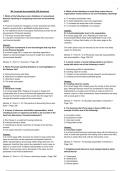
M5 Corporate Accountability [KE Questions] 4. Which of the following is a most likely reason why an
organisation would choose to use non-mandatory reporting?
1. Which of the following is not a limitation of conventional
financial reporting in recognising social and environmental A. To increase shareholder value
costs? B. To build stakeholder trust in the organisation
C. To increase the asset base of the company
A. Financial rewards for managers or senior executives are often D. To increase the profitability of a company
linked to annual profits or profitability linking that to focus
B. The definitions that the Conceptual Framework provides for the Answer:
key elements of financial reporting B. To build stakeholder trust in the organisation
C. The focus on short term results B is correct (page 306, 312). Reporting on social and
D. Long term investments in new technologies that may lead to environmental effects helps build stakeholders' trust in the
non-financial benefits company. It shows that society is on the same page as the
company.
Answer:
D. Long term investments in new technologies that may lead The other options may be relevant but are not the most likely
to non-financial benefits reason for doing this.
D is correct (page 297). Longer term reporting especially in
relation to new technologies may lead to longer term social and Module: 5 > Part: B > 5.10 Perceived corporate responsibilities
environmental benefits. and accountability > Page: 306,312
Module: 5 > Part: A > Summary > Page: 297 5. A social venture or social entrepeurship is one that is
setup with which one of the following in mind?
2. Which Financial reporting limitation is most highlighted in
the ReAqua clip? A. Maximising profits for shareholders
B. Creating value for society
A. Discounting future cash flows C. Creation of new products through research and development
B. Relevance and faithful representation D. Creating environmentally sutainable goods
C. Short-term results
D. The entity assumption Answer:
B. Creating value for society
Answer: B is correct (page 304) creating value for society is their primary
C. Short-term results goal. Although finances need to be considered to meet costs,
C is correct (page 295). ReAqua is focused on longer term shareholders or investors are not there to make a profit or to
sustainability thus if users of the financial statements were too receive a return on their investments, these businesses are setup
focused on short term results they would miss the longer term with a social goal in mind.
savings and positive impact on the environment.
Module: 5 > Part: B > 5.9 Socially responsible investments >
Module: 5 > Part: A > 5.3 The practice of discounting future cash Page: 304
flows > Page: 295
6. The business that Chris setup in Asia in 2002, is an
3. In terms of relevance and faithful representation, which example of which one of the following?
resulting income or expenses are likely to be recorded in the
farm from Narromine’s financial statements? A, Innovation model
B. Employment model
A.The change in a customer's buying preference C. Give back model
B. Potential saving in diesel D. Responsible model
C. Advertising to advise customers of changes to the farming
process Answer:
D. The yearly reduction in greenhouse gases A, Innovation model
A is correct as this business model was setup with the following in
Answer: mind: to build solar powered milk chilling units to allow local dairy
C is correct (page 296). Accounts are based on past events that farmers to protect their milk until the milk tankers come.
have occurred and can be measured and reported (linked to
faithful representation) and savings reflect things that have not Module: 5 > Part: B > 5.9 Socially responsible investments >
happened, therefore they cannot be presented in such a way as Page: 304
there is no ‘past event’ so faithful representation is much more
difficult. These savings can be discussed in the notes, but not 7. Enlightened self-interest is most closely linked to which
presented in the financial statements ethical theory?
Module: 5 > Part: A > 5.5 Focus on short-term results > Page: 296 A. Teleological
B. Utilitarianism
C. Deontological
D. Ethical egoism
M5 Corporate Accountability [KE Questions] 4. Which of the following is a most likely reason why an
organisation would choose to use non-mandatory reporting?
1. Which of the following is not a limitation of conventional
financial reporting in recognising social and environmental A. To increase shareholder value
costs? B. To build stakeholder trust in the organisation
C. To increase the asset base of the company
A. Financial rewards for managers or senior executives are often D. To increase the profitability of a company
linked to annual profits or profitability linking that to focus
B. The definitions that the Conceptual Framework provides for the Answer:
key elements of financial reporting B. To build stakeholder trust in the organisation
C. The focus on short term results B is correct (page 306, 312). Reporting on social and
D. Long term investments in new technologies that may lead to environmental effects helps build stakeholders' trust in the
non-financial benefits company. It shows that society is on the same page as the
company.
Answer:
D. Long term investments in new technologies that may lead The other options may be relevant but are not the most likely
to non-financial benefits reason for doing this.
D is correct (page 297). Longer term reporting especially in
relation to new technologies may lead to longer term social and Module: 5 > Part: B > 5.10 Perceived corporate responsibilities
environmental benefits. and accountability > Page: 306,312
Module: 5 > Part: A > Summary > Page: 297 5. A social venture or social entrepeurship is one that is
setup with which one of the following in mind?
2. Which Financial reporting limitation is most highlighted in
the ReAqua clip? A. Maximising profits for shareholders
B. Creating value for society
A. Discounting future cash flows C. Creation of new products through research and development
B. Relevance and faithful representation D. Creating environmentally sutainable goods
C. Short-term results
D. The entity assumption Answer:
B. Creating value for society
Answer: B is correct (page 304) creating value for society is their primary
C. Short-term results goal. Although finances need to be considered to meet costs,
C is correct (page 295). ReAqua is focused on longer term shareholders or investors are not there to make a profit or to
sustainability thus if users of the financial statements were too receive a return on their investments, these businesses are setup
focused on short term results they would miss the longer term with a social goal in mind.
savings and positive impact on the environment.
Module: 5 > Part: B > 5.9 Socially responsible investments >
Module: 5 > Part: A > 5.3 The practice of discounting future cash Page: 304
flows > Page: 295
6. The business that Chris setup in Asia in 2002, is an
3. In terms of relevance and faithful representation, which example of which one of the following?
resulting income or expenses are likely to be recorded in the
farm from Narromine’s financial statements? A, Innovation model
B. Employment model
A.The change in a customer's buying preference C. Give back model
B. Potential saving in diesel D. Responsible model
C. Advertising to advise customers of changes to the farming
process Answer:
D. The yearly reduction in greenhouse gases A, Innovation model
A is correct as this business model was setup with the following in
Answer: mind: to build solar powered milk chilling units to allow local dairy
C is correct (page 296). Accounts are based on past events that farmers to protect their milk until the milk tankers come.
have occurred and can be measured and reported (linked to
faithful representation) and savings reflect things that have not Module: 5 > Part: B > 5.9 Socially responsible investments >
happened, therefore they cannot be presented in such a way as Page: 304
there is no ‘past event’ so faithful representation is much more
difficult. These savings can be discussed in the notes, but not 7. Enlightened self-interest is most closely linked to which
presented in the financial statements ethical theory?
Module: 5 > Part: A > 5.5 Focus on short-term results > Page: 296 A. Teleological
B. Utilitarianism
C. Deontological
D. Ethical egoism