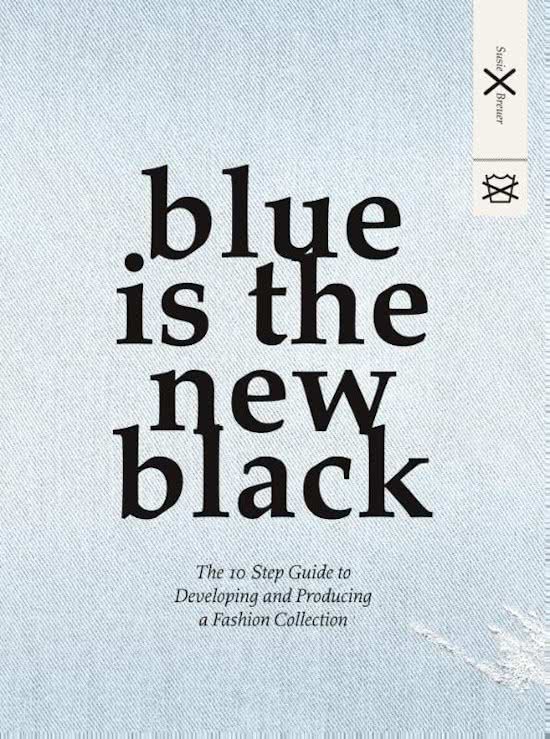
Blue is the New Black –
Summary
Chapter 1 – The Workings of the Fashion Industry
The role of the developer/production coordinator
- Anticipate problems and have solutions ready
- Comfortable with numbers: understand relevance and how to use
- Organised mind due to changes: spreadsheets, tables
- Negotiation: people + prices
- Flexibility and open to new ideas
- Eye for detail: notice the flaw
Key roles that are needed to develop a fashion collection
Designer
- Designs garments, prints and embroideries
- Selects colours and fabrics (with developer)
- Involved in sample reviews
- Assists in creating selling tools
Concept designer – defines the design direction for the new season’s collection, by following
e.g. trend forecasters, fabric mills, music/lifestyle trends and current street fashion.
Developer
- Link between designer and factory
- Helps designer, but keeps an eye on financial side with merchandiser
- Conveys designer’s wishes to factory after finished design
- Reviews sample + feedback
- Organises launch to present samples to sales teams
Production coordinator
- Works closely with developer: takes collection from launch through production to
where the garments leave the factory
- Arranges production fittings and planning
- Manages final prices and quantities
- Checks quality and packaging during production at the factory
Merchandiser
- Sets pricing structure for collection
- Makes sure the brand makes a profit
- Adjusts collection according to feedback from sales teams
, - Samples approved finalises prices and delivery dates issues purchase order
Purchase order – issued by a buyer to a seller, indicating types, quantities, agreed prices, the
date and location of shipment of garments. Acceptance forms a contract.
Pattern maker/fit technician – translates the sketch of the designer into an actual garment
applying the base measurements and calculations. Also involved in garment fittings.
Sales team – sells finished collection to customers, so is connected to stores and buying
public and informs merchandiser about seasonal shifts in sales.
Branding manager – works for branding/trims company and develops labels, buttons and
badges for the brand to use.
Seasons and Business Models
Seasons – nowadays new collections launched every few months to keep the customers
shopping, teams in a fashion company often working on more seasons at a time.
Wholesale Lines
- Bought by department stores or independent shops who sell it to the general public.
- 2-6 collections a year.
- Brand designs and makes collection at scheduled times, sells it to department store
who stocks it with other wholesale brands.
Retail Lines
- Retail outlets only: high street chain or brand with own stores.
- 2-6 collections a year, but adds new styles and stock every month.
- Development process shorter and more reactive to shop customer.
Chapter 2 – The Concept
What is a concept?
- Design direction for the shape, colour, mood and fabric for a collection
- Created at the beginning of the season
- Creates the mood of the collection
- Creative backbone of collection should be used as a reference/reminder at key
review stages, to make sure the product links with the concept after changes
Who creates the concept?
- Concept designer defines direction for range, brand or company
- Understands the brand’s customer profile and heritage
- Not financially viable? designer can be entrusted
Elements of a Concept
Fabric (yarns and textiles)
Summary
Chapter 1 – The Workings of the Fashion Industry
The role of the developer/production coordinator
- Anticipate problems and have solutions ready
- Comfortable with numbers: understand relevance and how to use
- Organised mind due to changes: spreadsheets, tables
- Negotiation: people + prices
- Flexibility and open to new ideas
- Eye for detail: notice the flaw
Key roles that are needed to develop a fashion collection
Designer
- Designs garments, prints and embroideries
- Selects colours and fabrics (with developer)
- Involved in sample reviews
- Assists in creating selling tools
Concept designer – defines the design direction for the new season’s collection, by following
e.g. trend forecasters, fabric mills, music/lifestyle trends and current street fashion.
Developer
- Link between designer and factory
- Helps designer, but keeps an eye on financial side with merchandiser
- Conveys designer’s wishes to factory after finished design
- Reviews sample + feedback
- Organises launch to present samples to sales teams
Production coordinator
- Works closely with developer: takes collection from launch through production to
where the garments leave the factory
- Arranges production fittings and planning
- Manages final prices and quantities
- Checks quality and packaging during production at the factory
Merchandiser
- Sets pricing structure for collection
- Makes sure the brand makes a profit
- Adjusts collection according to feedback from sales teams
, - Samples approved finalises prices and delivery dates issues purchase order
Purchase order – issued by a buyer to a seller, indicating types, quantities, agreed prices, the
date and location of shipment of garments. Acceptance forms a contract.
Pattern maker/fit technician – translates the sketch of the designer into an actual garment
applying the base measurements and calculations. Also involved in garment fittings.
Sales team – sells finished collection to customers, so is connected to stores and buying
public and informs merchandiser about seasonal shifts in sales.
Branding manager – works for branding/trims company and develops labels, buttons and
badges for the brand to use.
Seasons and Business Models
Seasons – nowadays new collections launched every few months to keep the customers
shopping, teams in a fashion company often working on more seasons at a time.
Wholesale Lines
- Bought by department stores or independent shops who sell it to the general public.
- 2-6 collections a year.
- Brand designs and makes collection at scheduled times, sells it to department store
who stocks it with other wholesale brands.
Retail Lines
- Retail outlets only: high street chain or brand with own stores.
- 2-6 collections a year, but adds new styles and stock every month.
- Development process shorter and more reactive to shop customer.
Chapter 2 – The Concept
What is a concept?
- Design direction for the shape, colour, mood and fabric for a collection
- Created at the beginning of the season
- Creates the mood of the collection
- Creative backbone of collection should be used as a reference/reminder at key
review stages, to make sure the product links with the concept after changes
Who creates the concept?
- Concept designer defines direction for range, brand or company
- Understands the brand’s customer profile and heritage
- Not financially viable? designer can be entrusted
Elements of a Concept
Fabric (yarns and textiles)