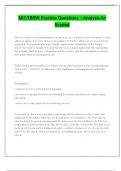
‘Meeting at Night’ by Robert Browning aims to capture the vitality and
excitement of love, especially when it is in its early stages by building
a sense of anticipation. On a more literal level, the poem describes the
speaker’s long and clandestine journey through a mysterious coastal
landscape under the cover of darkness. The title of the poem ‘Meeting
at Night’ suggests transgression (an act against code of conduct). He
chose to make the subject of the poem explicit in the title, preparing
the reader for a description of his night-time adventure from the very
first line.
The speaker describes a long, tedious journey across a mysterious
coastal landscape. The sea appears grey and dull and the land seems
black due to the darkness. The half-moon can be seen in the sky
casting a faint yellow light. As the speaker rows towards the land, the
waves are described as startled as though they have been woken
from a deep slumber. The speaker’s love for his lover is also
emphasised as he describes the waves as ‘fiery ringlets’ - fiery with
love and passion and ringlets may be associated with his lover’s hair;
this shows how enraptured he is by her. As the narrator approaches
the land, he rows into a cove, bringing the boat to a halt in the wet
sand.
We still do not know why he would commit himself to such a tedious
journey during the night; this has the effect of arousing the reader’s
curiosity. We understand that his journey is still not over as he makes
his way across a mile-long ‘sea-scented’ beach and crosses three
fields until he encounters a farm. We learn that the farm is his final
destination. He knocks gently on a window, and a quick sharp scratch
is heard followed by the blue flicker of a lighted match. One can
assume that this is the speaker’s lover who was waiting in anticipation
for him. A voice is heard, overcome with happiness and fear (of being
caught); but the voice is not nearly as loud as the sound of their hearts
excitement of love, especially when it is in its early stages by building
a sense of anticipation. On a more literal level, the poem describes the
speaker’s long and clandestine journey through a mysterious coastal
landscape under the cover of darkness. The title of the poem ‘Meeting
at Night’ suggests transgression (an act against code of conduct). He
chose to make the subject of the poem explicit in the title, preparing
the reader for a description of his night-time adventure from the very
first line.
The speaker describes a long, tedious journey across a mysterious
coastal landscape. The sea appears grey and dull and the land seems
black due to the darkness. The half-moon can be seen in the sky
casting a faint yellow light. As the speaker rows towards the land, the
waves are described as startled as though they have been woken
from a deep slumber. The speaker’s love for his lover is also
emphasised as he describes the waves as ‘fiery ringlets’ - fiery with
love and passion and ringlets may be associated with his lover’s hair;
this shows how enraptured he is by her. As the narrator approaches
the land, he rows into a cove, bringing the boat to a halt in the wet
sand.
We still do not know why he would commit himself to such a tedious
journey during the night; this has the effect of arousing the reader’s
curiosity. We understand that his journey is still not over as he makes
his way across a mile-long ‘sea-scented’ beach and crosses three
fields until he encounters a farm. We learn that the farm is his final
destination. He knocks gently on a window, and a quick sharp scratch
is heard followed by the blue flicker of a lighted match. One can
assume that this is the speaker’s lover who was waiting in anticipation
for him. A voice is heard, overcome with happiness and fear (of being
caught); but the voice is not nearly as loud as the sound of their hearts