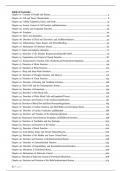
Test Bank Porth's Essentials of Pathophysiology (5th Edition by Norris)Table of Contents Chapter 01: Concepts of Health and Disease .............................................................................................. 2 Chapter 02: Cell and Tissue Characteristics ............................................................................................... 8 Chapter 03: Cellular Adaptation, Injury, and Death ................................................................................... 14 Chapter 04: Genetic Control of Cell Function and Inheritance .................................................................. 19 Chapter 05: Genetic and Congenital Disorders ......................................................................................... 25 Chapter 06: Neoplasia .......................................................................................................................... 30 Chapter 07: Stress and Adaptation .......................................................................................................... 36 Chapter 08: Disorders of Fluid and Electrolyte, and Acid Base Balance ..................................................... 42 Chapter 09: Inflammation, Tissue Repair, and Wound Healing ................................................................. 53 Chapter 10: Mechanisms of Infectious Disease .........................................................................................64 Chapter 11: Innate and Adaptive Immunity ............................................................................................... 70 Chapter 12: Disorders of the Immune Response, Including HIV/AIDS ......................................................... 75 Chapter 13: Organization and Control of Neural Function .......................................................................... 87 Chapter 14: Somatosensory Function, Pain, Headache, and Temperature Regulation ..................................... 93 Chapter 15: Disorders of Motor Function ................................................................................................99 Chapter 16: Disorders of Brain Function ................................................................................................ 105 Chapter 17: Sleep and Sleep-Wake Disorders .......................................................................................... 111 Chapter 18: Disorders of Thought, Emotion, and Memory ....................................................................... 116 Chapter 19: Disorders of Visual Function ............................................................................................... 122 Chapter 20: Disorders of Hearing and Vestibular Function...................................................................... 128 Chapter 21: Blood Cells and the Hematopoietic System ........................................................................... 134 Chapter 22: Disorders of Hemostasis .................................................................................................... 139 Chapter 23: Disorders of Red Blood Cells .............................................................................................. 145 Chapter 24: Disorders of White Blood Cells and Lymphoid Tissues ........................................................... 151 Chapter 25: Structure and Function of the Cardiovascular System ........................................................... 157 Chapter 26: Disorders of Blood Flow and Blood Pressure Regulation .......................................................... 163 Chapter 27: Disorders of Cardiac Function, and Heart Failure and Circulatory Shock ................................... 174 Chapter 28: Disorders of Cardiac Conduction and Rhythm ..................................................................... 186 Chapter 29: Structure and Function of the Respiratory System............................................................... 192 Chapter 30: Respiratory Tract Infections, Neoplasms, and Childhood Disorders ............................................. 198 Chapter 31: Disorders of Ventilation and Gas Exchange ......................................................................... 209 Chapter 32: Structure and Function of the Kidney .................................................................................. 215 Chapter 33: Disorders of Renal Function .............................................................................................. 220 Chapter 34: Acute Kidney Injury and Chronic Kidney Disease .................................................................226 Chapter 35: Disorders of the Bladder and Lower Urinary Tract ............................................................... 232 Chapter 36: Structure and Function of the Gastrointestinal System .......................................................... 238 Chapter 37: Disorders of Gastrointestinal Function ............................................................................... 244 Chapter 38: Disorders of Hepatobiliary and Exocrine Pancreas Function................................................ 250 Chapter 39: Alterations in Nutritional Status .......................................................................................... 256 Chapter 40: Mechanisms of Endocrine Control ......................................................................................262 Chapter 41: Disorders of Endocrine Control of Growth and Metabolism ........................................................ 268 Chapter 42: Structure and Function of the Male Genitourinary System ................................................... 274
1 | P a g eChapter 43: Disorders of the Male Reproductive System ........................................................................ 279
Chapter 44: Structure and Function of the Female Reproductive System ................................................ 286
Chapter 45: Disorders of the Female Reproductive System .................................................................... 291
Chapter 46: Sexually Transmitted Infections .......................................................................................... 297
Chapter 47: Structure and Function of the Musculoskeletal System ........................................................... 303
Chapter 48: Disorders of Musculoskeletal Function: Trauma, Infection, Neoplasms ................................... 309
Chapter 49: Disorders of Musculoskeletal Function: Developmental and Metabolism Disorders .................... 315
Chapter 50: Disorders of Musculoskeletal Function: Rheumatic Disorders ............................................. 320
Chapter 51: Structure and Function of the Skin ......................................................................................326
Chapter 52: Disorders of Skin Integrity and Function ............................................................................. 332
Chapter 01: Concepts of Health and Disease
1. At an international nursing conference, many discussions and breakout sessions focused on the World
Health Organization (WHO) views on health. Of the following comments made by nurses during a
discussion session, which statements would be considered a good representation of the WHO definition?
Select all that apply.
A) Interests in keeping the elderly population engaged in such activities as book reviews and word
games during social time
B) Increase in the number of chair aerobics classes provided in the skilled care facilities
C) Interventions geared toward keeping the elderly population diagnosed with diabetes mellitus under tight
blood glucose control by providing in-home cooking classes
D) Providing transportation for renal dialysis patients to and from their hemodialysis sessions
E) Providing handwashing teaching sessions to a group of young children
Ans: A, B, C, E
Feedback:
The WHO definition of health is defined as “a state of complete physical, mental, and social well-being and not
merely the absence of disease and infirmity.” Engaging in book reviews facilitates mental and social well-being;
chair aerobics helps facilitate physical well-being; and assisting with tight control of diabetes helps with
facilitating physical well-being even though the person has a chronic disease. Handwashing is vital in the
prevention of disease and spread of germs.
2. A community health nurse is teaching a group of recent graduates about the large variety of factors that
influence an individual's health or lack thereof. The nurse is referring to the Healthy People 2020 report
from the U.S. Department of Health and Human Services as a teaching example. Of the following aspects
discussed, which would be considered a determinant of health that is outside the focus of this report?
A) The client has a diverse background by being of Asian and Native American descent and practices
various alternative therapies to minimize effects of stress.
B) The client has a family history of cardiovascular disease related to hypercholesterolemia
and remains noncompliant with the treatment regime.
C) The client has a good career with exceptional preventative health care benefits.
D) The client lives in an affluent, clean, suburban community with access to many health care
facilities.
Ans: B
Feedback:
In Healthy People 2020, the focus is to promote good health to all (such as using alternative therapies
to minimize effects of stress); achieving health equity and promoting health for all (which includes
having good health care benefits); and
promoting good health (which includes living in a clean community with good access to health care). A client's
noncompliance with treatments to control high cholesterol levels within the presence of a family history of CV
disease does not meet the “attaining lives free of preventable disease and premature death” determinant.
2 | P a g e3. A physician is providing care for a number of patients on a medical unit of a large, university hospital.
The physician is discussing with a colleague the differentiation between diseases that are caused by
abnormal molecules and diseases that cause disease. Which of the following patients most clearly
demonstrates the consequences of molecules that cause disease?
A) A 31-year-old woman with sickle cell anemia who is receiving a transfusion of packed red blood
cells
B) A 91-year-old woman who has experienced an ischemic stroke resulting from familial
hypercholesterolemia
C) A 19-year-old man with exacerbation of his cystic fibrosis requiring oxygen therapy and chest
physiotherapy
D) A 30-year-old homeless man who has Pneumocystis carinii pneumonia (PCP) and is HIV positive.
Ans: D
Feedback:
PCP is an example of the effect of a molecule that directly contributes to disease. Sickle cell anemia, familial
hypercholesterolemia, and cystic fibrosis are all examples of the effects of abnormal molecules.
4. A member of the health care team is researching the etiology and pathogenesis of a number of clients who
are under his care in a hospital context. Which of the following aspects of clients' situations best
characterizes pathogenesis rather than etiology?
A) A client who has been exposed to the Mycobacterium tuberculosis bacterium
B) A client who has increasing serum ammonia levels due to liver cirrhosis
C) A client who was admitted with the effects of methyl alcohol poisoning
D) A client with multiple skeletal injuries secondary to a motor vehicle accident
Ans: B
Feedback:
Pathogenesis refers to the progressive and evolutionary course of disease, such as the increasing
ammonia levels that accompany liver disease. Bacteria, poisons, and traumatic injuries are examples of
etiologic factors.
5. A new myocardial infarction patient requiring angioplasty and stent placement has arrived to his first
cardiac rehabilitation appointment. In this first session, a review of the pathogenesis of coronary artery
disease is addressed. Which statement by the
patient verifies to the nurse that he has understood the nurse's teachings about coronary artery disease?
A) “All I have to do is stop smoking, and then I won't have any more heart attacks.”
B) “My artery was clogged by fat, so I will need to stop eating fatty foods like French fries every day.”
C) “Sounds like this began because of inflammation inside my artery that made it easy to form fatty
streaks, which lead to my clogged artery.”
D) “If I do not exercise regularly to get my heart rate up, blood pools in the veins causing a clot that
stops blood flow to the muscle, and I will have a heart attack.”
Ans: C
Feedback:
The true etiology/cause of coronary artery disease (CAD) is unknown; however, the pathogenesis of the
disorder relates to the progression of the inflammatory process from a fatty streak to the occlusive vessel
lesion seen in people with coronary artery disease. Risk factors for CAD revolve around cigarette smoking,
diet high in fat, and lack of exercise.
6. A 77-year-old man is a hospital inpatient admitted for exacerbation of his chronic obstructive pulmonary
disease (COPD), and a respiratory therapist (RT) is assessing the client for the first time. Which of the
following aspects of the patient's current state of health would be best characterized as a symptom rather than
a sign?
A) The patient's oxygen saturation is 83% by pulse oxymetry.
3 | P a g eB) The patient notes that he has increased work of breathing when lying supine.
C) The RT hears diminished breath sounds to the patient's lower lung fields bilaterally.
D) The patient's respiratory rate is 31 breaths/minute.
Ans: B
Feedback:
Symptoms are subjective complaints by the person experiencing the health problem, such as complaints of
breathing difficulty. Oxygen levels, listening to breath sounds, and respiratory rate are all objective,
observable signs of disease.
7. Which of the following situations would be classified as a complication of a disease or outcome from the
treatment regimen? Select all that apply.
A) Massive pulmonary emboli following diagnosis of new-onset atrial fibrillation
B) Burning, intense incision pain following surgery to remove a portion of colon due to intestinal
aganglionosis
C) Development of pulmonary fibrosis following treatment with bleomycin, an antibiotic chemotherapy agent
used in treatment of lymphoma
D) Gradual deterioration in ability to walk unassisted for a patient diagnosed with
Parkinson disease
E) Loss of short-term memory in a patient diagnosed with Alzheimer disease
Ans: A, C
Feedback:
Development of pulmonary emboli and pulmonary fibrosis following chemotherapy are both examples of a
complication (adverse extensions of a disease or outcome from treatment). It is normal to expect incisional
pain following surgery. As Parkinson disease progresses, the inability to walk independently is expected. This
is a normal progression for people diagnosed with Parkinson's. Loss of short-term memory in a patient
diagnosed with Alzheimer disease is an expected finding.
8. Laboratory testing is ordered for a male patient during a clinic visit for a routine follow-up assessment of
hypertension. When interpreting lab values, the nurse knows that
A) a normal value represents the test results that fall within the bell curve.
B) if the lab result is above the 50% distribution, the result is considered elevated.
C) all lab values are adjusted for gender and weight.
D) if the result of a very sensitive test is negative, that does not mean the person is disease free.
Ans: A
Feedback:
What is termed a normal value for a laboratory test is established statistically from results obtained from a
selected sample of people. A normal value represents the test results that fall within the bell curve or the 95%
distribution. Some lab values (like hemoglobin) are adjusted for gender, other comorbidities, or age. If the
result of a very sensitive test is negative, it tells us the person does not have the disease, and the disease has
been ruled out or excluded.
9. The laboratory technologists are discussing a new blood test that helps establish a differential diagnosis
between shortness of breath with a cardiac etiology and shortness of breath with a respiratory/pulmonary
etiology. A positive result is purported to indicate a cardiac etiology. The marketers of the test report that
99.8% of patients who have confirmed cardiac etiologies test positive in the test. However, 1.3% of patients who
do not have cardiac etiologies for their shortness of breath also test positive. Which of the following statements
best characterizes this blood test?
A) Low validity; high reliability
B) High sensitivity; low specificity
C) High specificity; low reliability
4 | P a g eD) High sensitivity; low reliability
Ans: B
Feedback:
A large number of patients would receive the correct positive diagnosis (high sensitivity), while a
significant number would receive a false-positive diagnosis (low specificity). The information given does
not indicate low reliability or low validity.
10. As part of a screening program for prostate cancer, men at a senior citizens' center are having their
blood levels of prostate-specific antigen (PSA) measured. Which of the following statements would best
characterize a high positive predictive value but a low negative predictive value for this screening test?
A) All of the men who had high PSA levels developed prostate cancer; several men who had low PSA
levels also developed prostate cancer.
B) All of the men who had low PSA levels were cancer-free; several men who had high levels also
remained free of prostate cancer.
C) Men who had low PSA levels also displayed false-positive results for prostate cancer; men with
high levels were often falsely diagnosed with prostate cancer.
D) The test displayed low sensitivity but high specificity.
Ans: A
Feedback:
The test's inability to rule out cancer with a low PSA level indicates a low negative predictive value. Answer B
suggests a high negative predictive value, while answer C indicates a low positive predictive value. High positive
predictive value is associated with high sensitivity.
11. A male international business traveler has returned from a trip to Indonesia. While there, he hired a
prostitute for companionship and engaged in unprotected sex on more than one occasion. Unbeknownst to
him, this prostitute harbored the hepatitis C virus. Upon return to the United States, he exhibited no symptoms
and returned to his usual activities. During this period of no outward symptoms, the man would be classified
as being in
A) the preclinical stage of disease.
B) remission and unlikely to develop hepatitis C.
C) the clinical disease stage of hepatitis C.
D) the chronic phase of hepatitis C.
Ans: A
Feedback:
During the preclinical stage, the disease is not clinically evident but is destined to progress to clinical disease.
12. As of November 1, 2012, there were a total of 10 confirmed cases of Hantavirus infection in people who
were recent visitors (mid-June to end of August, 2012) to Yosemite National Park. Three visitors with
confirmed cases died. Health officials
believe that 9 out of the 10 people with Hantavirus were exposed while staying in Curry Village in the
Signature Tent Cabins. This is an example of
A) what the anticipated mortality rate would be if a family of five were planning to vacation in Yosemite
National Park.
B) the prevalence of Hantavirus one can anticipate if he or she is going to vacation in Yosemite National
Park.
C) the low rate of morbidity one can expect while traveling to Yosemite National Park.
D) the incidence of people who are at risk for developing Hantavirus while staying in Yosemite National
Park.
Ans: D
Feedback:
The incidence reflects the number of new cases arising in a population at risk during a specified time.
5 | P a g e13. A particular disease has a debilitating effect on the ability of sufferers to perform their activities of daily
living and is a significant cause of decreased quality of life. However, few people die as a result of the
disease's direct effects. There are hundreds of thousands of Americans living with the disease but relatively
few new cases in recent years. Which of the following statements best conveys an accurate
epidemiological characterization of the disease?
A) Low mortality; high morbidity; low prevalence; high incidence
B) Low mortality; high morbidity; high incidence; low prevalence
C) High mortality; low morbidity; high incidence; low prevalence
D) High morbidity; low mortality; high prevalence, low incidence
Ans: D
Feedback:
Morbidity is associated with quality of life, while mortality is indicative of causation of death. In this case,
morbidity is high and mortality is low. Prevalence refers to the number of cases present in a population, while
incidence refers to the number of new cases. In this case, prevalence is high, while incidence is low.
14. An epidemiologist is conducting a program of research aimed at identifying factors associated with
incidence and prevalence of congenital cardiac defects in infants. The researcher has recruited a large
number of mothers whose infants were born with cardiac defects as well as mothers whose infants were born
with healthy hearts. The researcher is comparing the nutritional habits of all the mothers while their babies
were in utero. Which of the following types of study is the epidemiologist most likely conducting?
A) Cohort study
B) Cross-sectional study
C) Case–control study
D) Risk factor study
Ans: C
Feedback:
In this study, the mothers with cardiac-affected babies would be the case group, while the mothers of healthy
infants would serve as a control. This study does not possess the characteristics of a cohort or cross-sectional
study, and risk factor study is not an existing methodology.
15. A nurse practitioner is working in a crowded neighborhood where the population is primarily
immigrants from China. The nurse has designed a research study to follow children from kindergarten to the
age of 25. She is going to be looking at their diet, successful progression in school, health practices, and
development of disease, to name a few items. This type of research is known as
A) cohort study
B) cross-sectional study.
C) case–control study.
D) epidemiological study.
Ans: A
Feedback:
In this cohort study, a group of people who were born at approximately the same time or share some
characteristics of interest is the focus of the research. This study does not possess the characteristics of a
case–control or cross-sectional study, and epidemiological study is not an existing methodology.
16. As part of a community class, student nurses are developing a class to teach expectant parents the
importance of having their child properly secured in a child safety seat. During the class, the students are
going to have a safety officer examine the car seats that the parents have installed in their vehicles. This is
an example of which type of prevention?
A) Primary prevention
6 | P a g eB) Secondary prevention
C) Tertiary prevention
D) Prognosis enhancement
Ans: A
Feedback:
Primary prevention is directed at keeping disease from occurring by removing risk factors. Some primary
prevention is mandated by law, like child safety seats.
Secondary prevention focuses on screening and early disease identification, whereas
tertiary prevention is directed at interventions to prevent complications of a disease.
17. A multidisciplinary health care team operates a program aimed at the prevention, identification, and
treatment of diabetes on a large Indian reservation. Which of the following aspects of the program would be
most likely to be classified as secondary prevention?
A) Regularly scheduled wound dressing changes for clients who have foot ulcers secondary to
peripheral neuropathy and impaired wound healing
B) Teaching school children how a nutritious, traditional diet can lessen their chances of developing adult-
onset diabetes
C) Staffing a booth where community residents who are attending a baseball tournament can have
their blood glucose levels checked
D) Administering oral antihyperglycemic medications to clients who have a diagnosis of diabetes
Ans: C
Feedback:
Secondary prevention focuses on screening and early disease identification, such as checking the blood glucose
levels of a large number of individuals to identify potential cases of diabetes. Wound treatment and medication
administration would be considered tertiary interventions, and education would be considered primary
prevention.
18. An occupational therapist conducts a group therapy program called MindWorks with older adults who
have diagnoses of dementia and Alzheimer disease. The goal of the group is to slow the cognitive decline of
clients by engaging them in regular, organized mental activity such as reading maps and solving puzzles. How
would the program most likely be characterized?
A) Primary prevention
B) Secondary prevention
C) Tertiary prevention
D) Prognosis enhancement
Ans: C
Feedback:
Interventions aimed at slowing the course of an already-diagnosed disease characterize tertiary prevention.
19. The clinical educator of a hospital medical unit has the mandate of establishing evidence-based practice
guidelines for the nursing care on the unit. Which of the following statements most accurately captures a
guiding principle of the nurse's task?
A) Evidence-based practice guidelines will be rooted in research rather than nurses'
subjective practice preferences and experiences.
B) Guidelines are synonymous with systematic research reviews.
C) The need for continuity and standardization of guidelines will mean that they will be fixed rather than
changeable.
D) The guidelines will combine individual expertise with external systematic evidence.
Ans: D
7 | P a g e20. The neuroscience nursing unit has developed a set of step-by-step directions of what should occur if a
nursing assessment reveals that the patient may be exhibiting clinical manifestations of a cerebrovascular
accident (CVA). Which of the following statements about clinical practice guidelines are accurate? Select
all that apply.
A) Step-by-step guidelines are usually developed and based primarily on “how it has always been done
before.”
B) The development of evidence-based practice guidelines requires a research review from different studies to
develop the most accurate diagnostic method to implement.
C) Once developed, practice guidelines only need to be reviewed if a national committee sends out
an update on new research.
D) When developing a CVA set of step-by-step directions, the nursing unit should ask for assistance from
experts in the neuroscience field. The potential users of the guidelines should pilot test it for further feedback.
E) A meta-analysis could be utilized to combine evidence from different studies to produce a more
accurate diagnostic method.
Ans: B, D, E
Feedback:
Clinical practice guidelines are systematically developed and intended to inform practitioners in making
decisions about health care for CVA patients. They should be developed using research and review by experts
in the clinical content. Potential uses should also participate and provide feedback prior to implementation. The
purpose of the guidelines is to review EBP articles and develop new practice guidelines rather than
continuing practicing primarily on “how it has always been done before.”Once developed, the guidelines must
be continually reviewed and changed to keep pace with new research findings. A meta-analysis could be
utilized to combine evidence from different studies to produce a more accurate diagnostic method or the
effects of an intervention method.
Chapter 02: Cell and Tissue Characteristics
1. During a discussion on cellular components and their function, a student asked the instructor the purpose
of messenger RNA (mRNA). Of the following, which is the most accurate answer?
A) Transports amino acids to the site of protein synthesis
B) Acts as an inner nuclear support membrane for a rigid network of protein filaments that bind DNA to the
nucleus
C) Performs an active role of protein synthesis, where mRNA molecules direct the assembly of proteins
on ribosomes to the cytoplasm
D) Assists cells in forming neoplastic progression by altering the response of chromatin in the
nuclear matrix
Ans: C
Feedback:
The nucleus is the site for the synthesis of three types of RNA that move to the cytoplasm and carry out the
actual synthesis of proteins. Messenger RNA copies and carries the DNA instructions for protein synthesis to
the cytoplasm. Ribosomal RNA is the site of actual protein synthesis; transfer RNA transports amino acids to
the site of protein synthesis.
2. The nurse is providing care for a client with a diagnosis of cirrhosis, and she notes that the client's sclerae
are jaundiced. The nurse recalls that jaundice is a pigment that can accumulate in which part of the cell?
A) Nucleus
B) Cytoplasm
C) Golgi apparatus
D) Rough endoplasmic reticulum (ER)
Ans: B
Feedback:
Pigments such as bilirubin and melanin can accumulate in the cytoplasm, resulting in the characteristic
yellow skin tones associated with jaundice. Pigments do not tend to accumulate in the nucleus, Golgi
apparatus, or rough ER.
8 | P a g e3. A 14-year-old female has been experiencing severe internal cramps in the region of the pelvis and weight
loss.She has been admitted with rectal bleeding.The physician has diagnosed her with inflammatory bowel
disease (IBD). She asks the nurse what causes this disease. The nurse will base her response knowing that
IBD has been linked to
A) liver involvement in faulty glycogen stores.
B) endoplasmic reticulum stress in the gastrointestinal system.
C) oversecretion of insulin from the beta cells in the pancreas.
D) infiltration of the gastrointestinal tract by bacterial toxins.
Ans: B
Feedback:
Researchers are determining links between the endoplasmic reticulum (ER) and various disease processes.
For examples, ER stress in the GI system has been found to be related to intestinal inflammations such as
those occur with inflammatory bowel disease. The smooth ER of the liver is involved in glycogen stores.
Insulin is synthesized as a large, inactive proinsulin molecule cut apart to produce a smaller, active insulin
molecule within the Golgi complex of the beta cells. Bacterial toxins have exploited the retrograde transport
mechanism.
4. A professor is teaching a group of students about the role of mitochondria within the cell. Which of the
following statements is true of mitochondria?
A) They are the site of adenosine triphosphate (ATP) production.
B) The number of mitochondria in a cell is equal to the number of nuclei.
C) They are replicated within the smooth endoplasmic reticulum (ER).
D) Mitochondrial DNA is inherited patrilineally.
Ans: A
Feedback:
Consistent with their characterization as the “power plants” of the cell, mitochondria are the site of ATP
synthesis for the cell. The number of mitochondria in a given cell type varies, according to the energy
demands of the particular cell. They are self- replicating rather than being produced in the smooth ER, and
they are inherited matrilineally.
5. A patient has been diagnosed with a neurodegenerative disease called multiple sclerosis (MS). The
physician explains to the patient that this disease may be caused by dysregulated apoptosis. Later that day,
the patient asks the nurse what this means. The nurse should reply,
A) “The cells around your nerves don't know how to die correctly.”
B) “The cytoplasm should neutralize the various apoptotic inhibitors but isn't working correctly.”
C) “Dysregulated apoptosis has caused an excessive rate of programmed cell death along the
neuropathways.”
D) “There is an inappropriately low rate of apoptosis occurring within the cells.”
Ans: C
Feedback:
Dysregulated apoptosis can mean too little or too much and has been implicated in
neurodegenerative diseases, in which there is an increased or excessive rate of apoptosis.
6. A patient experiencing immotile cilia syndrome should be frequently assessed by the nurse for which
priority complication?
A) Epistaxis resulting from loss of cilia in the nasal passageway
B) Bronchiectasis due to interferences with clearance of inhaled bacteria along the respiratory tract
C) Sterility caused by inability of the sperm to swim downstream
9 | P a g eD) Inability to hear soft sounds related to kinocilium on the hair cells in the inner ear
Ans: B
Feedback:
Immotile cilia syndrome immobilizes the cilia of the respiratory tract, thus interfering with clearance of
inhaled bacteria, leading to the chronic lung disease called bronchiectasis.
7. A community health care worker is explaining to a group of factory workers the importance of wearing
gloves when working with strong chemicals such as turpentine and paint thinner. Which of the following
characteristics of cell membranes underlies the nurse's teaching?
A) Cell membranes are impermeable to all but lipid-soluble substances.
B) Cell membranes have a hydrophilic head and a hydrophobic tail.
C) Cell membranes contain receptors for hormones and biologically active substances.
D) Transmembrane proteins can pass through the cell membrane into the intracellular environment.
Ans: A
Feedback:
Because cell membranes are soluble to some lipid-soluble substances such as organic solvents, such
substances should be kept from direct contact with skin cells. The facts that cell membranes have a
hydrophilic head and a hydrophobic tail and contain receptors for hormones and biologically active
substances do not have a bearing on the nurse's teaching. While transmembrane proteins can indeed pass
into the intracellular environment, the nurse is not referring to proteins in the teaching.
8. The nurse is explaining the workings of selective serotonin reuptake inhibitors to a client with a diagnosis
of depression. Within the teaching, the nurse mentions that in the nervous system, the transmission of
information by neurotransmitters is
A) synaptic signaling.
B) endocrine signaling.
C) autocrine signaling.
D) paracrine signaling.
Ans: A
Feedback:
Synaptic signaling occurs in the nervous system, where neurotransmitters act only on adjacent nerve cells
through special contact areas called synapses. Endocrine signaling relies on hormones carried in the
bloodstream to cells throughout the body. Autocrine signaling occurs when a cell releases a chemical into the
extracellular fluid that affects its own activity. With paracrine signaling, enzymes rapidly metabolize the
chemical mediators and therefore act mainly on nearby cells.
9. The nurse is teaching a group of colleagues about the cell division cycle as background to oncology
nursing. Which of the following statements is true of the cell cycle?
A) Some cells lack a G0 phase.
B) Mitosis is a process that occurs in steps over 1 to 2 days.
C) The two broad phases of the cell cycle are mitosis and synthesis.
D) Nondividing cells such as nerve cells are said to be in the S0 phase.
Ans: C
Feedback:
While consisting of several stages, cell division can be broadly divided into the two phases of mitosis and
synthesis. Some cells lack a G1 stage, not a G0 phase, and mitosis is a fluid and continuous process over 1 to
11⁄2 hours. Nondividing cells are said to be in the G0 phase.
10. A 62-year-old male collapsed while unloading a truck of heavy sacks of feed for his cattle. When he
10 | P a g earrived in the emergency department, blood gases reveal a slightly acidic blood sample. The nurse caring
for this patient is not surprise with this result based on which of the following pathophysiological rationales?
A) The skeletal muscles are producing large amounts of lactic acid and release it into the bloodstream during
heavy work/exercise.
B) During exercise, catabolism will break down stored nutrients and body tissues to produce energy.
C) Large amounts of free energy are released when ATP is hydrolyzed and then converted into
adenosine diphosphate.
D) Within the mitochondria, energy from reduction of oxygen is used for phosphorylation
of ADP to ATP.
Ans: A
Feedback:
Heart muscle is efficient in converting lactic acid to pyruvic acid and then using the
pyruvic acid for fuel. Pyruvic acid is an important source of fuel for the heart during heavy exercise when the
skeletal muscles are producing large amounts of lactic acid and releasing it into the bloodstream. Therefore,
the blood sample would be acidic by nature. Catabolism will break down stored nutrients and body tissues to
produce energy. ATP conversion into ADP and phosphorylation of ADP to ATP are both aerobic
metabolism processes.
11. The health caregiver is explaining the rationale for administering a hypotonic intravenous solution
(lower concentration of solutes in its surroundings) to a client. Which of the following mechanisms of
membrane transport most likely underlies this action?
A) Facilitated diffusion
B) Active transport
C) Diffusion
D) Osmosis
Ans: D
Feedback:
The fact that body cells are permeable to water but not all solute particles, and the amount of solute relative to
water content, underlies the choice of intravenous fluid, in health care. Water moves through water channels in a
semipermeable membrane along a concentration gradient, moving from an area of higher to an area of lower
concentration. This is the essence of osmosis, and the other mechanisms of membrane transport do not have
as significant a bearing on the nurse's action.
12. A nurse is teaching a client with a recent diagnosis of diabetes about the roles that glucose and insulin
play in the disease pathology and the fact that glucose must enter the body cell in order to provide energy for
the client. The nurse knows that which of the following processes allows glucose to enter body cells?
A) Osmosis
B) Facilitated diffusion
C) Active transport
D) Diffusion
Ans: B
Feedback:
Facilitated diffusion involves the movement of a substance like glucose from an area of high concentration,
such as the bloodstream, to an area of low concentration, such as the intracellular space, through the use of a
transport protein. Osmosis, active transport, and diffusion do not bring about the movement of glucose into
body cells.
13. An end-stage renal disease patient has been on peritoneal dialysis at home. Based on his lab work,
he regulates the type of solution to infuse into his abdomen.
When there is a high concentration of potassium inside the cell (hyperkalemia), the solution infused has a lower
concentration so that the potassium ions will diffuse outward. At this point, the cellular membrane is said to be
11 | P a g eA) at equilibrium potential in which no net movement of ions occurs.
B) charged with high voltage.
C) filled with positive current.
D) polarized because of the presence of a negative membrane potential.
Ans: D
Feedback:
Because of the large concentration gradient existing across the cell membrane, potassium ions tend to diffuse
outward. As they do so, they carry their positive charges with them, causing the inside to become negative in
relation to the outside. This new potential difference repels further outward movement of the positively charged
potassium ion. The membrane is said to be polarized.
14. A student asks the instructor about the origins of different tissues and their cellular origins during the
process of development. Which of the instructor's following statements best describes the process of cell
differentiation?
A) “Cells of the hematopoietic system produce the appropriate body cells that are required at each stage
of development.”
B) “A single stem cell differentiates into approximately 200 different types of cells.”
C) “A fertilized ovum undergoes a series of divisions, yielding many different cell types.”
D) “Cells differentiate into necessary body cells peaking after conception and ceasing near the time of
birth.”
Ans: C
Feedback:
Cell differentiation and consequent tissue types are the outcome of the series of cell divisions that occur in the
fertilized ovum. It originates neither with a single stem cell nor in the hematopoietic system. Stem cells allow
for limited differentiation throughout the life span, not only antepartum.
15. A nurse is providing care for a client with a diagnosis of Crohn disease. The nurse recognizes the fact
that the disease involves the inflammation and irritation of the intestinal lining. Which of the following types of
tissue is most likely involved in the client's pathology?
A) Simple columnar epithelium
B) Glandular epithelium
C) Simple cuboidal epithelium
D) Stratified epithelium
Ans: A
Feedback:
Simple columnar epithelium lines the intestine and has cilia and mucus-secreting goblet cells. The
intestinal tract does not consist of glandular epithelium, simple cuboidal epithelium, or stratified
epithelium.
16. During a crime scene investigation, the coroner confirms that rigor mortis has set in. This helps to
confirm an approximate time of death. The forensic nurse can explain this process (rigor mortis) to a group
of students based on the fact that
A) troponin is being prevented from forming a cross-bridge between the actin and myosin.
B) activated by ATP, cross-bridges become attached to the actin filament.
C) the myosin head catalyzes the breakdown of ATP to provide the energy need so that a cross-bridge can
be formed.
D) at death, the body is unable to complete the actin/myosin cycle and release the coupling between the
myosin and actin, creating a state of muscular contration.
Ans: D
12 | P a g eFeedback:
As the muscle begins to degenerate after death, the sarcoplasmic cisternae release their calcium ions, which
enable the myosin heads to combine with their sites on the actin molecule. As ATP supplies diminish, no
energy source is available to start the normal interaction between the actin and myosin, and the muscle is in a
state of rigor until further degeneration destroys the cross-bridges between the actin and myosin.
17. The homecare nurse is making a home visit to a 51-year-old female client with a long-standing diagnosis
of multiple sclerosis. The nurse knows that the muscle wasting and weakness associated with the disease
process are ultimately manifested as a failure of what normal process in muscle tissue?
A) The contraction of the epimysium
B) The surrounding of fascicles by perimysium
C) Thick myosin and thin actin filaments sliding over each other
D) The contraction of fascicles within myofibrils
Ans: C
Feedback:
The contraction of skeletal muscle tissue can be characterized as the sliding action of myosin and actin.
Epimysium surrounds and plays a supportive role in the skeletal muscle, and perimysium similarly provides
support but does not actively produce locomotion. Myofibrils are found within fascicles, not the opposite.
18. An instructor is explaining to a group of students the way in which muscles and their associated
tendons can be so strongly attached. The instructor makes references to the role of the basal lamina.
Which of the following statements most accurately captures an aspect of the basal lamina?
A) It is produced by the connective tissue adjacent to it.
B) It is present where connective tissue contacts the tissue it supports.
C) It is found solely between connective tissue and muscle fibers.
D) It is also known as the basement membrane.
Ans: B
Feedback:
The basal lamina is found where connective tissue is in contact with the tissue that it provides support for. It is
produced by epithelial cells and is found on Schwann cells, adipose tissue, and other sites apart from muscle
fibers. It is not synonymous with the basement membrane, which consists of the combination of basal lamina
and the reticular layer.
19. A caregiver is working with a client who is having poorly controlled pain due to shingles. The
associate pain travels to the client's nervous system via
A) synapses.
B) axons.
C) afferent neurons.
D) efferent neurons.
Ans: C
Feedback:
Afferent or sensory neurons carry information toward the CNS; they are involved in the reception of sensory
information from the external environment and from within the body. Efferent or motor neurons carry
information away from the CNS; they are needed for control of muscle fibers and endocrine and exocrine
glands.
20. A 6-year-old child cuts his leg while playing outside. An inflammatory process begins the healing
process by moving leukocytes and platelets through the endothelial lining of blood vessels. This process occurs
because of which extracellular tissue component?
A) Extracellular matrix
13 | P a g eB) Glycosaminoglycans
C) Selectins
D) Cadherins
Ans: C
Feedback:
Selectins are found on activated endothelial cells of blood vessels, on leukocytes, and on platelets. They,
together with integrins and immunoglobulins, participate in leukocyte movement through the endothelial lining
of blood vessels during inflammation. Cadherins link parts of the internal cytoskeleton (actin and catenins)
with extracellular cadherins of an adjacent cell. Glycosaminoglycans are one of the components of the
extracellular matrix.
Chapter 03: Cellular Adaptation, Injury, and Death
1. Of the following situations, which one would be an example of a maladaptive cellular change?
A) An 18-year-old body builder who has developed extremely large pectoral muscles following years of
weight lifting
B) A 31-year-old marathon runner who has developed hypertrophied myocardial cells
C) A 54-year-old female who has developed ovarian atrophy following loss of estrogen stimulation during
menopause
D) A 44-year-old male with a 60-pack-per year smoking history who was diagnosed with a histological
grade 3 lung cancer
Ans: D
Feedback:
In many adaptive cellular responses, the expression of the differentiation genes is altered. When working with
cancer patients, histological grade or differentiation refers to how much the tumor cells resemble normal cells of
the same tissue type. In body builders and athletes, cells' hypertrophy is based on the increase in workload
placed on the muscle. Reproductive atrophy is expected due to the loss of estrogen stimulation during
menopause.
2. A client is experiencing muscle atrophy following 2 weeks in traction after a motor vehicle accident.
Which of the following factors has most likely contributed to the atrophy of the client's muscle cells?
A) High levels of insulin and IGF-1 in the client's blood during immobilization
B) Denervation of the affected muscles during the time of traction
C) A reduction of skeletal muscle use secondary to the traction treatment
D) Reduced oxygen consumption and cellular function that ensures muscle cell survival
Ans: C
Feedback:
Disuse atrophy results from the reduction in skeletal muscle use such as that following encasement in plaster
casts or traction. Low levels of insulin and IGF-1 contribute to atrophy, and denervation only occurs in
paralyzed limbs. Reduced oxygen consumption and cellular function are the mechanisms of cell atrophy but not
the causes of the process.
3. The nurse is teaching new nursing assistants on the unit about the phenomenon of muscle hypertrophy.
Which of the following clients on the unit is most likely to experience muscle hypertrophy? A client with
A) urinary incontinence following a cerebral vascular accident (CVA).
B) hypertension, obesity, and decreased activity tolerance.
C) peripheral edema secondary to heart failure (HF).
D) possible rejection symptoms following a liver transplant.
Ans: B
Feedback:
Hypertension is a common cause of adaptive hypertrophy, in which cardiac muscle cells increase in size in
response to the increased work of circulation over time. The other diagnoses are not associated with
14 | P a g emuscle hypertrophy.
4. Which of the following clients is at a high risk for developing dilated
cardiomyopathy?
A) A 17-year-old with a diving injury resulting in paraplegia
B) A 4-year-old child born with cerebral palsy and confined to a wheelchair
C) A 44-year-old noncompliant female who forgets to take her hypertensive medications
D) A 78-year-old patient with Alzheimer disease who received a third-degree burn following an oven
fire
Ans: C
Feedback:
In hypertension, the increased workload required to pump blood against an elevated arterial pressure in the
aorta results in a progressive increase in LV muscle mass and need for coronary blood flow. The pressure
overload causes hypertrophied cells to have greater width and length. Paraplegia, cerebral palsy, and
Alzheimer disease do not increase the workload of the cardiac muscle per se.
5. Which of the following statements by a student demonstrates a sound understanding of the
cellular processes of hypertrophy and hyperplasia?
A) “I know that cells like neurons have little capacity for hyperplastic growth.”
B) “A remaining kidney can sometimes undergo hyperplasia in response to one that has been removed.”
C) “When male patients experience 'an enlarged prostate,' they are describing a form of hypertrophy.”
D) “Clients with cardiomyopathy undergo myocardial hypertrophy with proportional increases in cell
length and width.”
Ans: A
Feedback:
Because they do not normally divide, neurons do not undergo hyperplasia. Remaining organs can display
hypertrophy, not hyperplasia, and prostate enlargement is a form of hyperplasia. Cardiomyopathic
hyperplasia involves greater increases in cell length
than width.
6. A community health care nurse is teaching a group of female high school students about the importance
of regular Papanicolaou (Pap) smears. The nurse recognizes that what fact underlies the rationale for this
teaching?
A) The active substitution of normal cells in the cervix correlates to cancer risk.
B) Undifferentiated stem cells are an early indicator of cervical cancer.
C) Cancer of the uterine cervix develops incrementally at a cellular level.
D) Dysplasia in the connective tissue of the cervix is a strong precursor to cancer.
Ans: C
Feedback:
Cervical cancer is indicated by incremental epithelial changes, beginning with dysplasia. Dysplasia does
not involve active cellular substitution, as in the case of metaplasia, nor does it include a role for stem
cells. Dysplasia does not normally occur in connective tissue, nor is the cervical lining made up of
connective tissue.
7. A home health nurse is making a visit to a family with an 8-month-old infant with severe motor
deterioration. The physician has diagnosed the infant with Tay-Sachs disease. The parents are asking the
nurse why this happened. The nurse will base her answer knowing the root cause of Tay-Sachs is
A) high exposure to lead in the home environment.
B) an enzyme defect causing abnormal lipid accumulation in the brain.
C) hypoxia caused by placing the infant on their abdomen during sleep.
15 | P a g eD) an increase in bilirubin retention leading to destruction of RBCs.
Ans: B
Feedback:
Tay-Sachs disease is a genetic disorder resulting from an enzyme defect that results in abnormal lipid
accumulation in the brain and other tissues. Lead exposure, hypoxia, and bilirubin retention are not
associated with Tay-Sachs disease.
8. A 68-year-old male client with aortic stenosis secondary to calcification of the aortic valve is
receiving care. Which of the following statements best captures an aspect of this client's condition?
A) Paget disease, cancer with metastases, or excess vitamin D may have contributed to the problem.
B) Increased calcium intake over time may have contributed to the problem.
C) The client has possibly undergone damage as a result of calcification following cellular injury.
D) The client has possibly exhibited phosphate retention leading to calcium deposits.
Ans: C
Feedback:
Dystrophic calcification is a result of deposition of calcium following cellular injury, such as that which
commonly occurs in heart valves. Answers A, B, and D all refer to the phenomena associated with
metastatic calcification and the associated increases in serum calcium levels.
9. A nurse in the emergency department admits a male client who has experienced severe frostbite to his
hands and toes after becoming lost on a ski hill. The nurse recognizes that which of the following
phenomena has contributed to his tissue damage?
A) Decreased blood viscosity has resulted in interstitial bleeding.
B) Reactive vasodilation has compromised perfusion.
C) Autonomic nervous stimulation has resulted in injury.
D) Decreased blood flow has induced hypoxia.
Ans: D
Feedback:
Damage from exposure to cold results from hypoxia, ice crystal formation, and vasoconstriction. Blood
viscosity increases, not decreases, and vasoconstriction occurs rather than vasodilation.
10. As part of a first aid class, a health care instructor is teaching a group of industrial workers about
how electrical injuries can cause cell damage. Which of the statements made by one of the workers
indicates that further teaching is necessary?
A) “The greater the skin resistance, the greater the amount of deep and systemic damage a victim is
likely to incur.”
B) “The particular pathway that a current takes through the body is very significant.”
C) “Resistance to flow is the phenomenon that transforms electrical energy into heat.”
D) “The most severe damage is likely to occur where the current enters and leaves the body.”
Ans: A
Feedback:
High skin resistance is associated with greater local and superficial burns, rather than deep and systemic
damage. The pathway is indeed an important factor in the degree of injury, and this is a result of the
transformation of current into heat. Damage is most severe at the point of entry and exit.
11. A client who has had a diagnosis of lung cancer is scheduled to begin radiation treatment. The nurse
knows that which of the following statements listed below about potential risks of radiation is most accurate?
A) “Some clients experience longer-term irritation of skin adjacent to the treatment site.”
16 | P a g eB) “Sometimes you might find that your blood takes longer to clot than normal.”
C) “The changes that you might see are normally irreversible.”
D) “The unwanted effects will be limited to the exposed portions of your skin.”
Ans: A
Feedback:
Chronic radiation dermatitis is a consequence of cancer treatment with ionizing radiation. Hypocoagulation
is not an identified consequence of radiation exposure, and changes can be both reversible and deeper than
the surface of the skin.
12. A young patient has just been diagnosed with xeroderma pigmentosum. When teaching the family
about this disease, the nurse should emphasize which of the following points? Select all that apply.
A) “Wash hands thoroughly when working in the garden to prevent infection.”
B) “Wear long sleeves, long pants, gloves, a hat, sunglasses with side shields, and sunscreen while
outdoors.”
C) “Apply antibacterial ointment to any break in the skin, and cover wounds with bandages.”
D) “The best time to allow the child to play outside is in the evening hours after the sun goes down.”
E) “The best time for the family to go to the beach is in the fall/winter months.”
Ans: B, D
Feedback:
Xeroderma pigmentosum is a genetic disorder where the enzyme needed to repair sunlight-induced DNA
damage is lacking. While washing hands and applying antibacterial products to open wounds are
important teaching for parents with children, they are not specific for this disease diagnosis.
13. A 7-year-old boy is admitted to the hospital with a suspected diagnosis of lead toxicity. Which of the
following assessment findings is most congruent with the client's diagnosis?
A) Decreased deep tendon reflexes
B) Hemoglobin 9.9 g/dL
C) Diffuse muscle pain
D) White blood cells (WBC) 11,000/mm3
Ans: B
Feedback:
Anemia is the cardinal sign of lead toxicity. Muscle pain, decreased deep tendon
reflexes, nor changes in WBC levels are associated with lead toxicity.
14. The nurse is teaching a group of new mothers about postpartum nutrition, when one of the clients states
that she was told to avoid eating fish too often due to the risk of mercury poisoning. Which of the nurse's
following responses most accurately addresses the clients concerns?
A) “You're right. It's best to avoid eating fish, especially while you are breast-feeding.”
B) “There are some modest risks, but they are only associated with some long-living fish.”
C) “Provided you avoid salmon, you likely won't be putting yourself or your child at risk.”
D) “The risk of mercury toxicity from eating fish has been shown to be insignificant.”
Ans: B
Feedback:
Only long-living fish such as tuna and swordfish concentrate the mercury from sediment in quantities
sufficient to pose a risk. It is not necessary to categorically avoid fish, and salmon poses a low risk. Risks are
not insignificant, though they are not particularly high.
17 | P a g e15. A nurse is teaching a group of older adults about the value of including foods containing antioxidants in
their diet. Which of the following statements best captures the rationale underlying the nurse’s advice?
A) Antioxidants inhibit the actions of reactive oxygen species.
B) Antioxidants prevent the formation of superoxide dismutase.
C) Antioxidants react nonspecifically with molecules.
D) Antioxidants prevent the occurrence of cell dysplasia.
Ans: A
Feedback:
Antioxidants inhibit the reactions of reactive oxygen species (ROS) with biological structures. Superoxide
dismutase is an antioxidant itself, and ROS, not antioxidants, react nonspecifically with molecules.
Antioxidants do not prevent the occurrence of cell dysplasia.
16. During a myocardial infarction (MI), a patient with a 97% occlusion of his left descending artery
develops ventricular arrhythmias due to the amount of ischemia occurring in the myocardium. While
educating the patient about MIs, the nurse will base her teaching on the fact that
A) permanent damage will occur in the myocardium if the vessel is not opened within a 1- to 2-minute
window following the occlusion.
B) treatment needs to be sought immediately so that the buildup of lactic acid is
limited and cellular changes can be reversed.
C) once the oxygen supply has been occluded, cellular changes are irreversible even if oxygenation is
restored.
D) the body will grow new genes through the process of angiogenesis, thereby avoiding any
permanent damage to the myocardium.
Ans: B
Feedback:
Ischemia is characterized by impaired oxygen delivery and impaired removal of metabolic end products
such as lactic acid. Ischemia commonly affects blood flow through limited numbers of vessels and produces
local tissue injury. In some instances, the cellular changes due to ischemia are reversible if oxygenation is
restored. If not restored, permanent damage can occur.
17. Which of the following statements most accurately conveys an aspect of cell injury due to impaired
calcium homeostasis?
A) Normal intracellular calcium ion levels are higher than extracellular levels.
B) Ischemia and certain toxins cause a decrease in cytosolic calcium.
C) Injured cells tend to accumulate calcium.
D) Low calcium levels cause an activation of damaging enzymes.
Ans: C
Feedback:
Injured cells tend to accumulate calcium, though it is unclear whether this is evidence of causation of cell
injury. Intracellular calcium levels are normally lower than extracellular levels, and ischemia and certain
toxins cause an increase in cytosolic calcium. High calcium levels may cause an activation of damaging
enzymes.
18. The nurse is providing care for a client with a diagnosis of amyotrophic lateral sclerosis (ALS). The
nurse recognizes which of the following mechanisms is suspected to play a role in the cellular death
associated with ALS?
A) Apoptosis
B) Liquefaction necrosis
C) Hypoxic cell injury
18 | P a g eD) Caseous necrosis
Ans: A
Feedback:
Although the exact mechanisms of damage are undetermined, ALS is thought to be caused by apoptosis.
19. The nurse is providing care for a 21-year-old female client with gas gangrene secondary to her
compound fracture in her arm. Which of the following assessment
findings would the nurse most reasonably expect to find when caring for a client with a diagnosis of gas
gangrene?
A) Inflammation of the affected tissue
B) A positive culture for Staphylococcus
C) Spreading edema
D) Impaired alveolar gas exchange
Ans: C
Feedback:
Spreading edema is a cardinal sign of gas gangrene. It is often caused by Clostridium bacteria, not
Staphylococcus. Inflammation may exist at the interface between affected and unaffected tissue, but not in
the dead, affected tissue. Impaired gas exchange would not be a sign.
20. Which of the following enzymes listed below is responsible for cancer cells' ability to prevent aging of the
cells and contributes to cellular immortality that is so characteristic of this disease process?
A) Oxidoreductase
B) Telomerase
C) Hydrolase
D) Isomerase
Ans: B
Feedback:
Some cells have telomerase, an enzyme that “rebuilds” telomeres and lessens or prevents shortening.
Cancer cells have high levels of telomerase, which prevents senescence and contributes to the cellular
immortality that characterizes cancer.
Chapter 04: Genetic Control of Cell Function and Inheritance
1. How could a health care professional most accurately explain an aspect of the underlying structure
of DNA to a colleague who is unfamiliar with genetics?
A) “DNA consists of nucleotides plus one of the four nitrogenous bases.”
B) “In the base pairs, adenine combines with thymine and guanine with cytosine.”
C) “Thymine and cytosine are considered the purine bases.”
D) “The backbone of a DNA molecule consists of either deoxyribose or phosphoric acid.”
Ans: B
Feedback:
The base pairings of DNA are such that adenine combines with thymine and guanine with cytosine. DNA also
includes the sugar deoxyribose, while thymine and cytosine are considered the pyrimidine bases. The
backbone of DNA includes both deoxyribose and phosphoric acid.
2. A student is trying to understand the possible reasons that a genetic abnormality might exist in an
individual. Which of the following reasons is most plausible?
19 | P a g eA) DNA has combined with several types of protein and a small amount of RNA.
B) Histones have exerted control on the folding of DNA strands.
C) DNA has blocked genetic transcription by preventing access of nucleotides to the DNA surface.
D) Chromatin has maintained its stable structure during the DNA replication process.
Ans: D
Feedback:
To facilitate DNA replication and gene expression, chromatin must change its structure through the
process of chromatin remodeling. Answers A, B, and C all denote normal genetic processes.
3. A 45-year-old client who experienced exposure to radiation during an industrial accident several years
prior is being assessed. Which of the following phenomena may underlie the genetic changes that have
been noted in the client?
A) Base pairs may have been rearranged by the radiation in the accident.
B) Endonucleases may have influenced the DNA structure following exposure.
C) Two paired bases may have exchanged helical position after the accident.
D) The radiation may have produced a redundant or degenerate genetic code.
Ans: A
Feedback:
Radiation exposure can cause the rearrangement of base pairs and resultant mutation. Endonucleases
facilitate gene repair, and base pairs are not noted to swap positions from their respective sides of the helical
strand. Redundant or degenerate genetic code is a normal trait.
4. A researcher is involved in the investigation of an individual's genetic abnormality. Which of the
following situations could the researcher most likely rule out as the genetic cause of a mutation?
A) Loss of a cytosine–guanine base pair
B) Formation of an adenine–uracil base pair
C) Substitution of an adenine–thymine base pair for a cytosine–guanine base pair
D) Insertion of an extra adenine–thymine base pair
Ans: B
Feedback:
RNA contains uracil instead of thymine. Formation of an adenine–uracil base pair is a normal event during
assembly of messenger RNA.
5. In the context of an explanation of how human growth occurs, a student is explaining to a colleague the
necessity and roles of different types of RNA in protein synthesis. Which of the following types of RNA is a
result of the process of transcription?
A) Ribosomal RNA
B) Messenger RNA
C) Translation RNA
D) Transfer RNA
Content preview
Table of Contents
Chapter 01: Concepts of Health and Disease .............................................................................................. 2
Chapter 02: Cell and Tissue Characteristics ............................................................................................... 8
Chapter 03: Cellular Adaptation, Injury, and Death ................................................................................... 14
Chapter 04: Genetic Control of Cell Function andInheritance.................................................................. 19
Chapter 05: Genetic and Congenital Disorders ......................................................................................... 25
Chapter 06: Neoplasia .......................................................................................................................... 30
Chapter 07: Stress and Adaptation ..........................................................................................................36
Chapter 08: Disorders of Fluid and Electrolyte, and AcidBase Balance .....................................................42
Chapter 09: Inflammation, Tissue Repair, and WoundHealing ................................................................. 53
Chapter 10: Mechanisms of Infectious Disease .........................................................................................64
Chapter 11: Innate and Adaptive Immunity...............................................................................................70
Chapter 12: Disorders of the Immune Response,Including HIV/AIDS ......................................................... 75
Chapter 13: Organization and Control of Neural Function .......................................................................... 87
Chapter 14: Somatosensory Function, Pain, Headache,and Temperature Regulation .....................................93
Chapter 15: Disorders of Motor Function ................................................................................................99
Chapter 16: Disorders of Brain Function................................................................................................ 105
Chapter 17: Sleep and Sleep-Wake Disorders .......................................................................................... 111
Chapter 18: Disorders of Thought, Emotion, and Memory ....................................................................... 116
Chapter 19: Disorders of Visual Function ............................................................................................... 122
Chapter 20: Disorders of Hearing and Vestibular Function...................................................................... 128
Chapter 21: Blood Cells and the Hematopoietic System ........................................................................... 134
Chapter 22: Disorders of Hemostasis .................................................................................................... 139
Chapter 23: Disorders of Red Blood Cells .............................................................................................. 145
Chapter 24: Disorders of White Blood Cells andLymphoid Tissues ...........................................................151
Chapter 25: Structure and Function of the CardiovascularSystem........................................................... 157
Chapter 26: Disorders of Blood Flow and Blood PressureRegulation .......................................................... 163
Chapter 27: Disorders of Cardiac Function, and HeartFailure and Circulatory Shock ................................... 174
Chapter 28: Disorders of Cardiac Conduction andRhythm ..................................................................... 186
Chapter 29: Structure and Function of the RespiratorySystem............................................................... 192
Chapter 30: Respiratory Tract Infections, Neoplasms, andChildhood Disorders ............................................. 198
Chapter 31: Disorders of Ventilation and Gas Exchange ......................................................................... 209
Chapter 32: Structure and Function of the Kidney .................................................................................. 215
Chapter 33: Disorders of Renal Function .............................................................................................. 220
Chapter 34: Acute Kidney Injury and Chronic KidneyDisease .................................................................226
Chapter 35: Disorders of the Bladder and Lower UrinaryTract ...............................................................232
Chapter 36: Structure and Function of theGastrointestinal System .......................................................... 238
Chapter 37: Disorders of Gastrointestinal Function ............................................................................... 244
Chapter 38: Disorders of Hepatobiliary and ExocrinePancreas Function................................................ 250
Chapter 39: Alterations in Nutritional Status..........................................................................................256
Chapter 40: Mechanisms of Endocrine Control ......................................................................................262
Chapter 41: Disorders of Endocrine Control of Growthand Metabolism........................................................ 268
Chapter 42: Structure and Function of the MaleGenitourinary System ................................................... 274
1|Page
,Chapter 43: Disorders of the Male Reproductive System ........................................................................ 279
Chapter 44: Structure and Function of the FemaleReproductive System ................................................ 286
Chapter 45: Disorders of the Female ReproductiveSystem .................................................................... 291
Chapter 46: Sexually Transmitted Infections .......................................................................................... 297
Chapter 47: Structure and Function of theMusculoskeletal System........................................................... 303
Chapter 48: Disorders of Musculoskeletal Function:Trauma, Infection, Neoplasms ................................... 309
Chapter 49: Disorders of Musculoskeletal Function:Developmental and Metabolism Disorders .................... 315
Chapter 50: Disorders of Musculoskeletal Function:Rheumatic Disorders............................................. 320
Chapter 51: Structure and Function of the Skin ......................................................................................326
Chapter 52: Disorders of Skin Integrity and Function .............................................................................332
Chapter 01: Concepts of Health and Disease
1. At an international nursing conference, many discussions and breakout sessionsfocused on the World
Health Organization (WHO) views on health. Of the following comments made by nurses during a
discussion session, which statements would beconsidered a good representation of the WHO definition?
Select all that apply.
A) Interests in keeping the elderly population engaged in such activities as bookreviews and word
games during social time
B) Increase in the number of chair aerobics classes provided in the skilled carefacilities
C) Interventions geared toward keeping the elderly population diagnosed with diabetesmellitus under tight
blood glucose control by providing in-home cooking classes
D) Providing transportation for renal dialysis patients to and from their hemodialysissessions
E) Providing handwashing teaching sessions to a group of young children
Ans: A, B, C, E
Feedback:
The WHO definition of health is defined as “a state of complete physical, mental, andsocial well-being and not
merely the absence of disease and infirmity.” Engaging in book reviews facilitates mental and social well-being;
chair aerobics helps facilitate physical well-being; and assisting with tight control of diabetes helps with
facilitating physical well-being even though the person has a chronic disease. Handwashing is vital in the
prevention of disease and spread of germs.
2. A community health nurse is teaching a group of recent graduates about the largevariety of factors that
influence an individual's health or lack thereof. The nurse is referring to the Healthy People 2020 report
from the U.S. Department of Health and Human Services as a teaching example. Of the following aspects
discussed, which would be considered a determinant of health that is outside the focus of this report?
A) The client has a diverse background by being of Asian and Native Americandescent and practices
various alternative therapies to minimize effects of stress.
B) The client has a family history of cardiovascular disease related to hypercholesterolemia
and remains noncompliant with the treatment regime.
C) The client has a good career with exceptional preventative health care benefits.
D) The client lives in an affluent, clean, suburban community with access to manyhealth care
facilities.
Ans: B
Feedback:
In Healthy People 2020, the focus is to promote good health to all (such as usingalternative therapies
to minimize effects of stress); achieving health equity and promoting health for all (which includes
having good health care benefits); and
promoting good health (which includes living in a clean community with good accessto health care). A client's
noncompliance with treatments to control high cholesterol levels within the presence of a family history of CV
disease does not meet the “attaining lives free of preventable disease and premature death” determinant.
2|Page
,3. A physician is providing care for a number of patients on a medical unit of a large,university hospital.
The physician is discussing with a colleague the differentiation between diseases that are caused by
abnormal molecules and diseases that cause disease. Which of the following patients most clearly
demonstrates the consequencesof molecules that cause disease?
A) A 31-year-old woman with sickle cell anemia who is receiving a transfusion ofpacked red blood
cells
B) A 91-year-old woman who has experienced an ischemic stroke resulting fromfamilial
hypercholesterolemia
C) A 19-year-old man with exacerbation of his cystic fibrosis requiring oxygentherapy and chest
physiotherapy
D) A 30-year-old homeless man who has Pneumocystis carinii pneumonia (PCP) andis HIV positive.
Ans: D
Feedback:
PCP is an example of the effect of a molecule that directly contributes to disease. Sickle cell anemia, familial
hypercholesterolemia, and cystic fibrosis are all examplesof the effects of abnormal molecules.
4. A member of the health care team is researching the etiology and pathogenesis ofa number of clients who
are under his care in a hospital context. Which of the following aspects of clients' situations best
characterizes pathogenesis rather than etiology?
A) A client who has been exposed to the Mycobacterium tuberculosis bacterium
B) A client who has increasing serum ammonia levels due to liver cirrhosis
C) A client who was admitted with the effects of methyl alcohol poisoning
D) A client with multiple skeletal injuries secondary to a motor vehicle accident
Ans: B
Feedback:
Pathogenesis refers to the progressive and evolutionary course of disease, such as the increasing
ammonia levels that accompany liver disease. Bacteria, poisons, and traumatic injuries are examples of
etiologic factors.
5. A new myocardial infarction patient requiring angioplasty and stent placement has arrived to his first
cardiac rehabilitation appointment. In this first session, a review of the pathogenesis of coronary artery
disease is addressed. Which statement by the
patient verifies to the nurse that he has understood the nurse's teachings aboutcoronary artery disease?
A) “All I have to do is stop smoking, and then I won't have any more heart attacks.”
B) “My artery was clogged by fat, so I will need to stop eating fatty foods like Frenchfries every day.”
C) “Sounds like this began because of inflammation inside my artery that made iteasy to form fatty
streaks, which lead to my clogged artery.”
D) “If I do not exercise regularly to get my heart rate up, blood pools in the veinscausing a clot that
stops blood flow to the muscle, and I will have a heart attack.”
Ans: C
Feedback:
The true etiology/cause of coronary artery disease (CAD) is unknown; however, the pathogenesis of the
disorder relates to the progression of the inflammatory process from a fatty streak to the occlusive vessel
lesion seen in people with coronary artery disease. Risk factors for CAD revolve around cigarette smoking,
diet high in fat, andlack of exercise.
6. A 77-year-old man is a hospital inpatient admitted for exacerbation of his chronic obstructive pulmonary
disease (COPD), and a respiratory therapist (RT) is assessing the client for the first time. Which of the
following aspects of the patient's current stateof health would be best characterized as a symptom rather than
a sign?
A) The patient's oxygen saturation is 83% by pulse oxymetry.
3|Page
, B) The patient notes that he has increased work of breathing when lying supine.
C) The RT hears diminished breath sounds to the patient's lower lung fields bilaterally.
D) The patient's respiratory rate is 31 breaths/minute.
Ans: B
Feedback:
Symptoms are subjective complaints by the person experiencing the health problem, such as complaints of
breathing difficulty. Oxygen levels, listening to breath sounds, and respiratory rate are all objective,
observable signs of disease.
7. Which of the following situations would be classified as a complication of a diseaseor outcome from the
treatment regimen? Select all that apply.
A) Massive pulmonary emboli following diagnosis of new-onset atrial fibrillation
B) Burning, intense incision pain following surgery to remove a portion of colon due tointestinal
aganglionosis
C) Development of pulmonary fibrosis following treatment with bleomycin, an antibioticchemotherapy agent
used in treatment of lymphoma
D) Gradual deterioration in ability to walk unassisted for a patient diagnosed with
Parkinson disease
E) Loss of short-term memory in a patient diagnosed with Alzheimer disease
Ans: A, C
Feedback:
Development of pulmonary emboli and pulmonary fibrosis following chemotherapy areboth examples of a
complication (adverse extensions of a disease or outcome from treatment). It is normal to expect incisional
pain following surgery. As Parkinson disease progresses, the inability to walk independently is expected. This
is a normal progression for people diagnosed with Parkinson's. Loss of short-term memory in a patient
diagnosed with Alzheimer disease is an expected finding.
8. Laboratory testing is ordered for a male patient during a clinic visit for a routine follow-up assessment of
hypertension. When interpreting lab values, the nurse knowsthat
A) a normal value represents the test results that fall within the bell curve.
B) if the lab result is above the 50% distribution, the result is considered elevated.
C) all lab values are adjusted for gender and weight.
D) if the result of a very sensitive test is negative, that does not mean the person isdisease free.
Ans: A
Feedback:
What is termed a normal value for a laboratory test is established statistically from results obtained from a
selected sample of people. A normal value represents the test results that fall within the bell curve or the 95%
distribution. Some lab values (like hemoglobin) are adjusted for gender, other comorbidities, or age. If the
result of a very sensitive test is negative, it tells us the person does not have the disease, and thedisease has
been ruled out or excluded.
9. The laboratory technologists are discussing a new blood test that helps establish a differential diagnosis
between shortness of breath with a cardiac etiology and shortness of breath with a respiratory/pulmonary
etiology. A positive result is purported to indicate a cardiac etiology. The marketers of the test report that
99.8% ofpatients who have confirmed cardiac etiologies test positive in the test. However, 1.3%of patients who
do not have cardiac etiologies for their shortness of breath also test positive. Which of the following statements
best characterizes this blood test?
A) Low validity; high reliability
B) High sensitivity; low specificity
C) High specificity; low reliability
4|Page