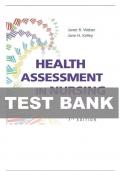
Public Finance in Canada
6th Canadian Edition
by Harvey S. Rosen
Complete Chapter Solutions Manual
are included (Ch 1 to 21)
** Immediate Download
** Swift Response
** All Chapters included
** ABA Teaching Notes
, Suggested Answers to Exercises
Chapter 1
1. Canada’s system of government is decentralized in several ways. Most notably, especially
relative to other federal countries, is the high share of subnational government expenditures
as a share of total general government expenditures. In addition, responsibility over core
areas of public services — including healthcare, education, social services, and so on — are
the jurisdiction of provincial governments. Finally, except for only certain taxation sources
(such as customs import duties), provincial governments have access to all the major sources
of taxation, including income and consumption taxes. The historical reason for this
decentralized system was the compromised required during early Confederation negotiations
between British North American colonies. Leaving areas that were of local concern remained
with provincial governments allowed diverse regions to adopt different policies.
2.
a. This will increase the impact of government on the economy, as such a regulation
will affect business spending decisions, labour force participation decisions, and
more. It will not affect standard measures of the size of government since the
expenditures will be done by private employers rather than the government.
b. This will increase the impact of government on the economy, for reasons detailed in
part a. But, unlike a requirement for private employers to provide daycare services,
this will increase standard measures of the size of government. Such daycare
subsidies will increase measured government expenditures.
c. This will increase the impact of government on the economy, also for reasons
detailed in part a. In addition, directly running daycare centres will also increase
standard measures of the size of government since purchases of goods and services
required to run these centres will count as government expenditures.
d. This may or may not affect the impact of government on the economy since it is an
intergovernmental grant and therefore doesn’t mechanically affect total general
government revenue or expenditures. It will affect standard measures of the size of
government by shrinking the federal government’s expenditures. Depending on the
measure, it will also shrink provincial government revenues (though not own-source
revenues, unless provinces respond by raising taxes).
3. Government provided loans do not initially affect overall expenditures, since they increase
government liabilities and are therefore a balance sheet transaction. But debt service costs for
government, which is borrowing on behalf of such individuals or businesses, will be an
expense. In addition, such loans are not risk free, and covering losses will be a government
expenditure. In addition, depending on the interest rate charged on such loans, there may be
increased government debt services costs due to government borrowing may not be offset by
payments by the individual or business receiving the loan.
4.
a. Real per capita spending has increased from less than $21,000 to over $30,000 over
this period. Even excluding the COVID-related increase in spending in 2020, real per
capita spending was over $25,000 in 2019. This indicates that total expenditures have
increased at a faster rate than population growth plus inflation.
, b. The size of government has increased in terms of its real per capita size. The size of
government relative to the overall economy—the fiscal burden of government, one
could say — decreased from over 47 percent in 1990 to just over 40 percent in 2019.
The increase to over 52 percent of GDP in 2020 is accounted for largely due to
COVID-related emergency measures. Excluding that year, the share of overall
economic activity accounted for by government has declined.
5. Reductions in tariffs rates will decrease customs import duty revenues of the federal
government. Provincial, local, and Indigenous governments do not levy tariffs on
international trade transactions, which are a strictly federal jurisdiction. But most provincial
and some Indigenous governments levy taxes on consumption goods, of which imports are a
part. Trade agreements may increase the total amount of taxable consumption spending and
therefore may increase revenues of these governments.
6. Higher payroll taxes will likely increase government revenues and decrease provincial
government deficits. Such taxes need not affect the size of provincial expenditures, however,
so whether they increase the size of budgets in general depends on the measure one has in
mind. These taxes affect the government’s role in the economy because they will change the
cost of hiring labour or the returns to individuals for working. Whether this materially affects
hours worked or employment is an empirical question.
7. Provincial governments have access to nearly all the major sources of taxation revenues.
They cannot levy tariffs on imports or levy property taxes on federally owned property, but
otherwise can levy taxes on income, consumption, property, and so on. Approximately half of
overall provincial revenue comes from taxation sources. Local governments have very
limited access to taxation and can normally only levy taxes on property within their
municipal boundaries. Indigenous governments vary in terms of their access to taxation
revenues. Some have access to taxation revenues including on income, on consumption
through the First Nations Goods and Services Tax, or on property within reserve lands.
8.
Government Expenditures before and after Intergovernmental Grants (millions of dollars)
Provincial
Federal Government Local Governments Total
Governments
Including Excluding Including Excluding Including Excluding Excluding
Grants Grants Grants Grants Grants Grants Grants
2019 350,327 242,759 514,047 444,465 176,732 176,446 851,470
Source: Statistics Canada data table 36-10-0450-01.
An increase in federal grants to provincial governments will increase federal expenditures
including grants but have no effect on expenditures excluding grants. Provincial government
revenues will increase, but not necessarily lead to an increase in expenditures either including
grants or not. The additional federal grants in 2020 could increase provincial expenditures
excluding grants if they are made conditional on provincial governments increasing their
activity in certain areas, and if provincial governments do not lower their expenditures in
other areas by an offsetting amount. If federal grants to provincial governments are
earmarked for local governments (say, public transit support) then they will increase
6th Canadian Edition
by Harvey S. Rosen
Complete Chapter Solutions Manual
are included (Ch 1 to 21)
** Immediate Download
** Swift Response
** All Chapters included
** ABA Teaching Notes
, Suggested Answers to Exercises
Chapter 1
1. Canada’s system of government is decentralized in several ways. Most notably, especially
relative to other federal countries, is the high share of subnational government expenditures
as a share of total general government expenditures. In addition, responsibility over core
areas of public services — including healthcare, education, social services, and so on — are
the jurisdiction of provincial governments. Finally, except for only certain taxation sources
(such as customs import duties), provincial governments have access to all the major sources
of taxation, including income and consumption taxes. The historical reason for this
decentralized system was the compromised required during early Confederation negotiations
between British North American colonies. Leaving areas that were of local concern remained
with provincial governments allowed diverse regions to adopt different policies.
2.
a. This will increase the impact of government on the economy, as such a regulation
will affect business spending decisions, labour force participation decisions, and
more. It will not affect standard measures of the size of government since the
expenditures will be done by private employers rather than the government.
b. This will increase the impact of government on the economy, for reasons detailed in
part a. But, unlike a requirement for private employers to provide daycare services,
this will increase standard measures of the size of government. Such daycare
subsidies will increase measured government expenditures.
c. This will increase the impact of government on the economy, also for reasons
detailed in part a. In addition, directly running daycare centres will also increase
standard measures of the size of government since purchases of goods and services
required to run these centres will count as government expenditures.
d. This may or may not affect the impact of government on the economy since it is an
intergovernmental grant and therefore doesn’t mechanically affect total general
government revenue or expenditures. It will affect standard measures of the size of
government by shrinking the federal government’s expenditures. Depending on the
measure, it will also shrink provincial government revenues (though not own-source
revenues, unless provinces respond by raising taxes).
3. Government provided loans do not initially affect overall expenditures, since they increase
government liabilities and are therefore a balance sheet transaction. But debt service costs for
government, which is borrowing on behalf of such individuals or businesses, will be an
expense. In addition, such loans are not risk free, and covering losses will be a government
expenditure. In addition, depending on the interest rate charged on such loans, there may be
increased government debt services costs due to government borrowing may not be offset by
payments by the individual or business receiving the loan.
4.
a. Real per capita spending has increased from less than $21,000 to over $30,000 over
this period. Even excluding the COVID-related increase in spending in 2020, real per
capita spending was over $25,000 in 2019. This indicates that total expenditures have
increased at a faster rate than population growth plus inflation.
, b. The size of government has increased in terms of its real per capita size. The size of
government relative to the overall economy—the fiscal burden of government, one
could say — decreased from over 47 percent in 1990 to just over 40 percent in 2019.
The increase to over 52 percent of GDP in 2020 is accounted for largely due to
COVID-related emergency measures. Excluding that year, the share of overall
economic activity accounted for by government has declined.
5. Reductions in tariffs rates will decrease customs import duty revenues of the federal
government. Provincial, local, and Indigenous governments do not levy tariffs on
international trade transactions, which are a strictly federal jurisdiction. But most provincial
and some Indigenous governments levy taxes on consumption goods, of which imports are a
part. Trade agreements may increase the total amount of taxable consumption spending and
therefore may increase revenues of these governments.
6. Higher payroll taxes will likely increase government revenues and decrease provincial
government deficits. Such taxes need not affect the size of provincial expenditures, however,
so whether they increase the size of budgets in general depends on the measure one has in
mind. These taxes affect the government’s role in the economy because they will change the
cost of hiring labour or the returns to individuals for working. Whether this materially affects
hours worked or employment is an empirical question.
7. Provincial governments have access to nearly all the major sources of taxation revenues.
They cannot levy tariffs on imports or levy property taxes on federally owned property, but
otherwise can levy taxes on income, consumption, property, and so on. Approximately half of
overall provincial revenue comes from taxation sources. Local governments have very
limited access to taxation and can normally only levy taxes on property within their
municipal boundaries. Indigenous governments vary in terms of their access to taxation
revenues. Some have access to taxation revenues including on income, on consumption
through the First Nations Goods and Services Tax, or on property within reserve lands.
8.
Government Expenditures before and after Intergovernmental Grants (millions of dollars)
Provincial
Federal Government Local Governments Total
Governments
Including Excluding Including Excluding Including Excluding Excluding
Grants Grants Grants Grants Grants Grants Grants
2019 350,327 242,759 514,047 444,465 176,732 176,446 851,470
Source: Statistics Canada data table 36-10-0450-01.
An increase in federal grants to provincial governments will increase federal expenditures
including grants but have no effect on expenditures excluding grants. Provincial government
revenues will increase, but not necessarily lead to an increase in expenditures either including
grants or not. The additional federal grants in 2020 could increase provincial expenditures
excluding grants if they are made conditional on provincial governments increasing their
activity in certain areas, and if provincial governments do not lower their expenditures in
other areas by an offsetting amount. If federal grants to provincial governments are
earmarked for local governments (say, public transit support) then they will increase