ATI Nutrition Exam
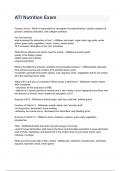
Function of iron - ANSit is responsible for hemoglobin formation/function, cellular oxidation of
glucose, antibody production, and collagen synthesis
Iron food sources
what increased the absorption of iron? - ANSlean red meats, organ meat, egg yolks, whole
grains, green leafy vegetables, beans, raisins, peanut butter
Vit C increases absorption of iron (OJ, tomatoes)
What factors influence the body's need for protein - ANStissue growth needs
quality of the dietary protein
added needs due to illness
pregnancy/lactation
What is the difference between complete and incomplete proteins? - ANScomplete: generally
from animals sources and contains all 9 essential amino acids
incomplete: generally from plants (grains, nuts, legumes, fruits, vegetables) and do not contain
all of the essential amino acids
What is B12 and why is it important? What causes a deficiency? - ANSwater soluble vitamin
AKA Cobalamin
- necessary for the production of RBC
- deficiency is causes pernicious anemia and is seen mosly in strict vegetarians and those with
the absence of intrinsic factor needed for absorption of b12
Sources of B12 - ANSfood of animal origin: beef liver, shell fish, fortified grains
Function of Vitamin C - ANSwater soluble vitamin aka "ascorbic acid"
iron absportion, antioxidant, tissue building
-deficiency can cause scurvy, decreased iron absorption, and bleeding gums
Sources of Vitamin C - ANScitrus fruits, tomatoes, peppers, green leafy vegetables,
strawberries,
Fiber - ANScarbohydrate that does not yield energy to the body
-impt for bowel elimination; adds bulk to the feces and stimulates peristalsis to ease elimination
-part of fruits, vegetables, and grains that is not broken down by your body: pectin, gum,
cellulose, mucilage
What are some foods high in fiber content - ANSprunes, rasberries, blackberrries, artichokes,
legumes, high fiber cereal, whole grains
, Fat soluble vitamins - ANSA,D,E,K - have potential for toxicity due to ability to be stored in body
for long periods of time
-stored in the liver and fatty tissues, and are eliminated much more slowly than water-soluble
vitamins
A: vision
D: bone development
E: protects cells from oxidation
K: normal blood clotting
Water soluble vitamins - ANSVitamin C and B-complex
-your body metabolizes what it can and flushes out the excess through pee
C: iron absorption, antioxidant, tissue building
B: cell metabolism, energy, neurological function
(Thiamin, Riboflavin, Niacin, Pantothenic acid, Pyridoxine, Folate, Cobalamin)
Vitamin D - ANSfunction: maintain serum calcium and phosphorus, aid in bone development
sources: fish, fortified dairy products, SUNLIGHT
deficiency: low serun calcium, fragile bones, rickets
B1 - ANSwater soluble vitamin aka "thamin"
function: muscle energy, GI support, CV support
sources: meats, grains, legumes
deficiency: Beriberi, altered digestion, CNS and CV problems
CHO - ANScarbohydrate: organic compounds composed of carbon, hydrogen, and oxygen
types: monosaccharides (glucose, fructose, galactose), disaccharides (sucrose, lactose,
maltose), polysaccharides (starches, fiber)
fuction: to provide ENERGY for the body
*130 g/day needed to fuel the brain
Low cholesterol diet - ANSavoid saturated and trans fats (red meat, full fat dairy)
-limit saturated fat to 10% of calories and cholesterol to 300 mg/day
-increase monounsaturated fats and soluble fiber
include: oatmeal, oat bran (High fiber foods), fish and omega-3 fatty acids,
walnuts/almonds/other nuts, olive oil, plant sterols
clear liquid diet - ANSFoods that are clear and liquid at room temperature
-water, tea, coffee, fat-free broth, carbonated beverages, clear juices, ginger ale, gelatin
full liquid diet - ANSFoods that are liquid at room temperature
-all foods on CL diet, all forms of milk, soups, strained fruits and vegetables, vegetable and fruit
juices, egg nog, plain icecream and sherbert, refined or strained cereals, and puddings
Function of iron - ANSit is responsible for hemoglobin formation/function, cellular oxidation of
glucose, antibody production, and collagen synthesis
Iron food sources
what increased the absorption of iron? - ANSlean red meats, organ meat, egg yolks, whole
grains, green leafy vegetables, beans, raisins, peanut butter
Vit C increases absorption of iron (OJ, tomatoes)
What factors influence the body's need for protein - ANStissue growth needs
quality of the dietary protein
added needs due to illness
pregnancy/lactation
What is the difference between complete and incomplete proteins? - ANScomplete: generally
from animals sources and contains all 9 essential amino acids
incomplete: generally from plants (grains, nuts, legumes, fruits, vegetables) and do not contain
all of the essential amino acids
What is B12 and why is it important? What causes a deficiency? - ANSwater soluble vitamin
AKA Cobalamin
- necessary for the production of RBC
- deficiency is causes pernicious anemia and is seen mosly in strict vegetarians and those with
the absence of intrinsic factor needed for absorption of b12
Sources of B12 - ANSfood of animal origin: beef liver, shell fish, fortified grains
Function of Vitamin C - ANSwater soluble vitamin aka "ascorbic acid"
iron absportion, antioxidant, tissue building
-deficiency can cause scurvy, decreased iron absorption, and bleeding gums
Sources of Vitamin C - ANScitrus fruits, tomatoes, peppers, green leafy vegetables,
strawberries,
Fiber - ANScarbohydrate that does not yield energy to the body
-impt for bowel elimination; adds bulk to the feces and stimulates peristalsis to ease elimination
-part of fruits, vegetables, and grains that is not broken down by your body: pectin, gum,
cellulose, mucilage
What are some foods high in fiber content - ANSprunes, rasberries, blackberrries, artichokes,
legumes, high fiber cereal, whole grains
, Fat soluble vitamins - ANSA,D,E,K - have potential for toxicity due to ability to be stored in body
for long periods of time
-stored in the liver and fatty tissues, and are eliminated much more slowly than water-soluble
vitamins
A: vision
D: bone development
E: protects cells from oxidation
K: normal blood clotting
Water soluble vitamins - ANSVitamin C and B-complex
-your body metabolizes what it can and flushes out the excess through pee
C: iron absorption, antioxidant, tissue building
B: cell metabolism, energy, neurological function
(Thiamin, Riboflavin, Niacin, Pantothenic acid, Pyridoxine, Folate, Cobalamin)
Vitamin D - ANSfunction: maintain serum calcium and phosphorus, aid in bone development
sources: fish, fortified dairy products, SUNLIGHT
deficiency: low serun calcium, fragile bones, rickets
B1 - ANSwater soluble vitamin aka "thamin"
function: muscle energy, GI support, CV support
sources: meats, grains, legumes
deficiency: Beriberi, altered digestion, CNS and CV problems
CHO - ANScarbohydrate: organic compounds composed of carbon, hydrogen, and oxygen
types: monosaccharides (glucose, fructose, galactose), disaccharides (sucrose, lactose,
maltose), polysaccharides (starches, fiber)
fuction: to provide ENERGY for the body
*130 g/day needed to fuel the brain
Low cholesterol diet - ANSavoid saturated and trans fats (red meat, full fat dairy)
-limit saturated fat to 10% of calories and cholesterol to 300 mg/day
-increase monounsaturated fats and soluble fiber
include: oatmeal, oat bran (High fiber foods), fish and omega-3 fatty acids,
walnuts/almonds/other nuts, olive oil, plant sterols
clear liquid diet - ANSFoods that are clear and liquid at room temperature
-water, tea, coffee, fat-free broth, carbonated beverages, clear juices, ginger ale, gelatin
full liquid diet - ANSFoods that are liquid at room temperature
-all foods on CL diet, all forms of milk, soups, strained fruits and vegetables, vegetable and fruit
juices, egg nog, plain icecream and sherbert, refined or strained cereals, and puddings