1.4
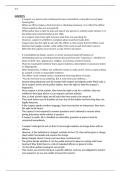
SUSPECTS
- A suspect is a person who is believed to have committed a crime But not yet been
found guilty.
- When an officer makes a formal arrest or detaining someone, it is critical the officer
states suspicion they are accused off.
- While police have a right to stop and search any person or vehicle under Section 1 of
the Police And criminal Evidence Act 1984.
- As a suspect, they have right to know what they are searching for.
- However, suspect is entitled to complain about searches made after.
- Suspect also has the right to ask who the officer is, this means that the officer must
disclose their badge number, what station they work at and what their name is.
- After this the suspect must receive a copy of the C12 report.
- It is prohibited to detain, search, or arrest someone based off opinion or
stereotyping such as arresting someone because they look “suspicious”, whether be
down to their race, appearance, religion, or previous criminal records.
- Must be reasonable evidence that suspect matches a description or possesses stolen
or illegal goods.
- After detainment, if officer has sufficient means to make arrest, due to suspect about
to commit a crime or reasonable evidence.
- The officer must verbally recite a statement informing them of arrest.
- “You do not have to say anything. But it may harm your defence….”
- Anyone being detained must be treated with respect and dignity under PACE code C.
- Once suspect arrives at the police station, have the right to take the suspect’s
fingerprint.
- Once suspect is at the station, they have the right to ask for a solicitor, they are
entitled to free legal advice or can request a private solicitor.
- Also, to look at their rights and all rules they may want to be aware of.
- They must inform you of duration of your stay at the station and how long they can
legally keep you.
- If the suspect speaks another language, they must receive an interpreter, they have
the right to be heard.
- The suspect is not required to answer questions and is allowed to remain silent
during interviews while solicitor is present.
- If suspect is under 18 or classified as vulnerable, guardian or parent must be
contacted immediately.
- A suspect could get let out on bail, if not enough evidence to charge them with an
offence.
- However, if the individual is charged, similarly to the C12, they will be given a charge
sheet which has details and reasons for charge.
- Being charged, doesn’t mean you have been sentenced yet.
- The police decide whether it’s in the public interest to keep in custody until court
hearing if they think there is a risk of repeated offence or general crime.
- Or the other option is being let out on bail.
- This means you must be living at a specific address, and you are obligated to hand in
your passport, so you are unable to leave the country.
SUSPECTS
- A suspect is a person who is believed to have committed a crime But not yet been
found guilty.
- When an officer makes a formal arrest or detaining someone, it is critical the officer
states suspicion they are accused off.
- While police have a right to stop and search any person or vehicle under Section 1 of
the Police And criminal Evidence Act 1984.
- As a suspect, they have right to know what they are searching for.
- However, suspect is entitled to complain about searches made after.
- Suspect also has the right to ask who the officer is, this means that the officer must
disclose their badge number, what station they work at and what their name is.
- After this the suspect must receive a copy of the C12 report.
- It is prohibited to detain, search, or arrest someone based off opinion or
stereotyping such as arresting someone because they look “suspicious”, whether be
down to their race, appearance, religion, or previous criminal records.
- Must be reasonable evidence that suspect matches a description or possesses stolen
or illegal goods.
- After detainment, if officer has sufficient means to make arrest, due to suspect about
to commit a crime or reasonable evidence.
- The officer must verbally recite a statement informing them of arrest.
- “You do not have to say anything. But it may harm your defence….”
- Anyone being detained must be treated with respect and dignity under PACE code C.
- Once suspect arrives at the police station, have the right to take the suspect’s
fingerprint.
- Once suspect is at the station, they have the right to ask for a solicitor, they are
entitled to free legal advice or can request a private solicitor.
- Also, to look at their rights and all rules they may want to be aware of.
- They must inform you of duration of your stay at the station and how long they can
legally keep you.
- If the suspect speaks another language, they must receive an interpreter, they have
the right to be heard.
- The suspect is not required to answer questions and is allowed to remain silent
during interviews while solicitor is present.
- If suspect is under 18 or classified as vulnerable, guardian or parent must be
contacted immediately.
- A suspect could get let out on bail, if not enough evidence to charge them with an
offence.
- However, if the individual is charged, similarly to the C12, they will be given a charge
sheet which has details and reasons for charge.
- Being charged, doesn’t mean you have been sentenced yet.
- The police decide whether it’s in the public interest to keep in custody until court
hearing if they think there is a risk of repeated offence or general crime.
- Or the other option is being let out on bail.
- This means you must be living at a specific address, and you are obligated to hand in
your passport, so you are unable to leave the country.