NSG EXAM MARKING SCHEME
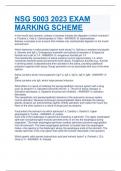
NSG EXAM MARKING SCHEME In the mouth and stomach, salivary α-amylase initiates the digestion of which nutrients? a. Proteins c. Fats b. Carbohydrates d. Fiber - ANSWER- B: cabohydrates Salivary α-amylase is an enzyme that initiates only carbohydrate digestion in the mouth and stomach Which elements in saliva protect against tooth decay? a. Salivary α-amylase and ptyalin b. Secretin and IgA c. Endogenous enamelin and salivary β-amylase d. Exogenous fluoride and a pH of 7.4 - ANSWER- D: exogenous fluoride pH 7.4 The bicarbonate concentration of saliva sustains a pH of approximately 7.4, which neutralizes bacterial acids and prevents tooth decay. Exogenous fluoride (e.g., fluoride in drinking water) is absorbed and then secreted in the saliva, providing additional protection against tooth decay. Decay prevention is not associated with any of the other options. Saliva contains which immunoglobulin (Ig)? a. IgA c. IgG b. IgE d. IgM - ANSWER- A: IgA Saliva contains only IgA, which helps prevent infection. What effect is a result of inhibiting the parasympathetic nervous system with a drug such as atropine? a. Salivation becomes thinner. c. The pH of saliva changes. b. Salivation decreases. d. Digestive enzymes are inhibited. - ANSWER- b: salivation decreases The sympathetic and parasympathetic divisions of the autonomic nervous system control salivation. Because cholinergic parasympathetic fibers stimulate the salivary glands, atropine (an anticholinergic agent) inhibits salivation and makes the mouth dry. None of the other options is a result of drugs such as atropine.
Written for
- Institution
- NSG 5003
- Course
- NSG 5003
Document information
- Uploaded on
- October 24, 2023
- Number of pages
- 7
- Written in
- 2023/2024
- Type
- Exam (elaborations)
- Contains
- Questions & answers
Subjects

Also available in package deal