C792 Task 1B FINAL work Flow Analysis
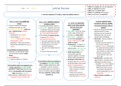
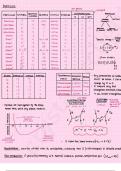
C792 Task 1B FINAL work Flow Analysis B. Flowchart Aspects The goal of workflow redesign is to improve overall quality, care delivery and patient safety by identifying areas for improvement and eliminating waste (McBride & Tietze, 2018). To identify the current workflow process in the Emergency Department (ED), a cross-functional (flow chart) diagram was used so that the team members who are closest to the actual process provide the workflow dynamics from an operational perspective. This flow chart demonstrates the level of individual responsibility for the tasks and roles in the mapped process. In the ED process, the functional roles of patient, receptionist (clerk), triage nurse, emergency room provider, ED nurse, laboratory technician, and radiologist were identified and labeled using vertical columns or often called swim lanes. Each lane represents the individual staff member’s touch point in the process. With any process, identifying timelines are essential as workflow redesign strives to improve quality, decrease cost/resources utilized, and minimize or eliminate waste. In this flow map, the number of patients were delineated as N and mean time as M; with all time is measured in minutes. Flowchart symbols (shapes) are also used to represent different steps in a process; with lines and arrows delineating the flow or sequence of events as they occur. The oval shape is a terminator used to show the starting or ending point. A rectangular shape is used to an action or step in the process; whereas a diamond reflects a decision must be made. A half rectangle/half oval shape means the process has a delay or idle time. Finally, in this diagram, the document or page shape (rectangle with s-curve) indicates a document is accessed, produced, or evaluated (such as the radiology/lab reports and medical chart). This study source was downloaded by from CourseH on :22:07 GMT -05:00 Downloaded by: clause | Distribution of this document is illegal Want to earn $1.236 extra per year? S - The Marketplace to Buy and Sell your Study Material 3 This scenario consists of mapping the process of five patients seen in the emergency department with an emergency severity index (ESI) of 3, determined by the triage nurse assessing both patient acuity (presentation) and predicted resource utilization (Gilroy et al., 2011). Five patients were triaged with one patient discharged home post provider assessment without diagnostic study and four going through the entire process. Of the four patients, one was admitted and three discharged home. As common measures in the emergency department, it is noted that the average arrival (door) to discharge was 527 minutes for the patient admitted; 295 minutes for three patients who experienced the entire ED process; and 171 minutes for the arrival to diagnostic tests.
Escuela, estudio y materia
- Institución
- NURC792
- Grado
- NURC792
Información del documento
- Subido en
- 11 de octubre de 2023
- Número de páginas
- 8
- Escrito en
- 2023/2024
- Tipo
- Examen
- Contiene
- Preguntas y respuestas
Temas
-
c792 task 1b final work flow analysis