Renée Raaijmakers, s4061357 LAS Course, Radboudumc, 2-13 October 2017
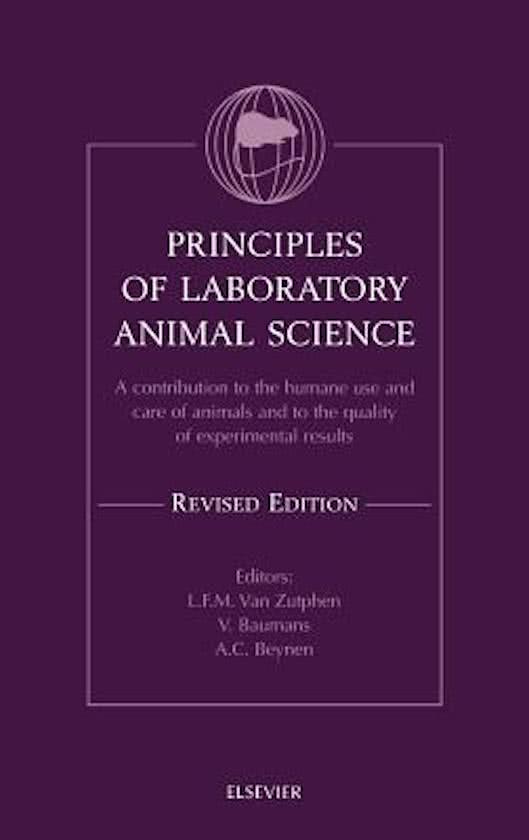
Principles of Laboratory Animal Science
A contribution to the humane use and care of animals and to the quality of
experimental results
Contents
Chapter 1. Introduction ........................................................................................................................... 6
1. Laboratory animal science........................................................................................................... 6
2. History of animal use ................................................................................................................... 6
3. Animal use: species and purposes............................................................................................... 7
4. Laboratory animal science associations ...................................................................................... 7
5. Laboratory animal science and internet...................................................................................... 7
6. Russell and Burch: The Three R’s................................................................................................. 7
7. Education and training ................................................................................................................ 7
Chapter 2. Legislation and animal experimentation ............................................................................... 9
1. Introduction ................................................................................................................................. 9
2. The EC Directive........................................................................................................................... 9
3. Impact and limitations of legislation ......................................................................................... 11
Chapter 3. Biology and husbandry of laboratory animals ..................................................................... 12
1. Introduction ............................................................................................................................... 12
2. Mammals ................................................................................................................................... 12
Mice ............................................................................................................................................... 12
Rats ................................................................................................................................................ 14
Syrian hamsters ............................................................................................................................. 14
Gerbils............................................................................................................................................ 15
Guinea-pigs .................................................................................................................................... 16
Rabbits ........................................................................................................................................... 17
Monkeys ........................................................................................................................................ 18
Dogs ............................................................................................................................................... 18
Cats ................................................................................................................................................ 19
Pigs................................................................................................................................................. 20
Sheep and goats ............................................................................................................................ 21
1
, Renée Raaijmakers, s4061357 LAS Course, Radboudumc, 2-13 October 2017
3. Birds ........................................................................................................................................... 21
Introduction ................................................................................................................................... 21
Chickens......................................................................................................................................... 22
Pigeons and doves ......................................................................................................................... 22
Quails ............................................................................................................................................. 23
4. Poikilothermic vertebrates ........................................................................................................ 23
Reptiles .......................................................................................................................................... 23
Amphibians .................................................................................................................................... 24
Fish................................................................................................................................................. 24
Chapter 4. Behaviour, stress and well-being......................................................................................... 26
1. Introduction ............................................................................................................................... 26
2. Basic mechanisms...................................................................................................................... 26
Homeostasis .................................................................................................................................. 26
Phylogeny ...................................................................................................................................... 26
Learning ......................................................................................................................................... 26
Ontogeny ....................................................................................................................................... 27
3. Interaction between the animal and its environment .............................................................. 27
Predictability and controllability ................................................................................................... 27
Conflict behaviour and behavioural pathology ............................................................................. 28
The ability to cope and individual differentiation ......................................................................... 28
4. Interaction between environment and physiology ................................................................... 28
The autonomic nervous system .................................................................................................... 29
The neuroendocrine system .......................................................................................................... 29
Body temperature ......................................................................................................................... 29
5. Functional significance of physiological stress response .......................................................... 29
6. Pathophysiology ........................................................................................................................ 30
7. Well-being ................................................................................................................................. 30
8. Concluding remarks ................................................................................................................... 30
Chapter 8. Microbiological standardization .......................................................................................... 32
1. Introduction ............................................................................................................................... 32
2. Reasons for microbiological quality assurance of laboratory animals ...................................... 32
Disease and mortality in Las .......................................................................................................... 32
Interference with results of experiments...................................................................................... 32
Zoonoses........................................................................................................................................ 32
2
Principles of Laboratory Animal Science
A contribution to the humane use and care of animals and to the quality of
experimental results
Contents
Chapter 1. Introduction ........................................................................................................................... 6
1. Laboratory animal science........................................................................................................... 6
2. History of animal use ................................................................................................................... 6
3. Animal use: species and purposes............................................................................................... 7
4. Laboratory animal science associations ...................................................................................... 7
5. Laboratory animal science and internet...................................................................................... 7
6. Russell and Burch: The Three R’s................................................................................................. 7
7. Education and training ................................................................................................................ 7
Chapter 2. Legislation and animal experimentation ............................................................................... 9
1. Introduction ................................................................................................................................. 9
2. The EC Directive........................................................................................................................... 9
3. Impact and limitations of legislation ......................................................................................... 11
Chapter 3. Biology and husbandry of laboratory animals ..................................................................... 12
1. Introduction ............................................................................................................................... 12
2. Mammals ................................................................................................................................... 12
Mice ............................................................................................................................................... 12
Rats ................................................................................................................................................ 14
Syrian hamsters ............................................................................................................................. 14
Gerbils............................................................................................................................................ 15
Guinea-pigs .................................................................................................................................... 16
Rabbits ........................................................................................................................................... 17
Monkeys ........................................................................................................................................ 18
Dogs ............................................................................................................................................... 18
Cats ................................................................................................................................................ 19
Pigs................................................................................................................................................. 20
Sheep and goats ............................................................................................................................ 21
1
, Renée Raaijmakers, s4061357 LAS Course, Radboudumc, 2-13 October 2017
3. Birds ........................................................................................................................................... 21
Introduction ................................................................................................................................... 21
Chickens......................................................................................................................................... 22
Pigeons and doves ......................................................................................................................... 22
Quails ............................................................................................................................................. 23
4. Poikilothermic vertebrates ........................................................................................................ 23
Reptiles .......................................................................................................................................... 23
Amphibians .................................................................................................................................... 24
Fish................................................................................................................................................. 24
Chapter 4. Behaviour, stress and well-being......................................................................................... 26
1. Introduction ............................................................................................................................... 26
2. Basic mechanisms...................................................................................................................... 26
Homeostasis .................................................................................................................................. 26
Phylogeny ...................................................................................................................................... 26
Learning ......................................................................................................................................... 26
Ontogeny ....................................................................................................................................... 27
3. Interaction between the animal and its environment .............................................................. 27
Predictability and controllability ................................................................................................... 27
Conflict behaviour and behavioural pathology ............................................................................. 28
The ability to cope and individual differentiation ......................................................................... 28
4. Interaction between environment and physiology ................................................................... 28
The autonomic nervous system .................................................................................................... 29
The neuroendocrine system .......................................................................................................... 29
Body temperature ......................................................................................................................... 29
5. Functional significance of physiological stress response .......................................................... 29
6. Pathophysiology ........................................................................................................................ 30
7. Well-being ................................................................................................................................. 30
8. Concluding remarks ................................................................................................................... 30
Chapter 8. Microbiological standardization .......................................................................................... 32
1. Introduction ............................................................................................................................... 32
2. Reasons for microbiological quality assurance of laboratory animals ...................................... 32
Disease and mortality in Las .......................................................................................................... 32
Interference with results of experiments...................................................................................... 32
Zoonoses........................................................................................................................................ 32
2