BCPS - Peds Practice Questions
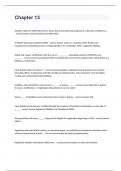
BCPS - Peds Practice Questions Peds 1 An infant born at 36 weeks' gestation develops respiratory distress, hypotension, and mottling at 5 hours of life. The child is transported to the neonatal intensive care unit, where he has a witnessed seizure, and cultures are obtained. Maternal vaginal cultures are positive for group B Streptococcus, and three doses of penicillin were given to the mother before delivery. Which is the best empiric antibiotic regimen? A. Vancomycin plus cefotaxime. B. Ampicillin plus cefotaxime. C. Ampicillin plus ceftriaxone. D. Ceftazidime plus gentamicin. - Answer: B Group B Streptococcus, Escherichia coli, Klebsiella spp., and Listeria spp. are the most likely pathogens of neonatal sepsis or meningitis. Ampicillin plus cefotaxime administered at meningitic doses would provide reasonable empiric coverage (Answer B is correct). Peds 2 Culture results for the patient in question 1 reveal gram-negative rods in the cerebrospinal fluid. Which recommendation regarding antibiotic prophylaxis is best? A. The patient's 5-month-old stepsister is at high risk because she is not fully immunized; therefore, the patient should receive rifampin. B. The patient should receive rifampin to eliminate nasal carriage of the pathogen. C. Antibiotic prophylaxis is not indicated in this case. D. All close contacts should receive rifampin for prophylaxis - Answer: C Given this patient's age and culture results, the most likely infecting organism is E. coli or Klebsiella spp. (gram-negative rods), for which antimicrobial prophylaxis is not indicated (Answer C is correct). Peds 3 A 6-year-old boy presents to the emergency department with a temperature of 104°F (40°C), altered mental status, and petechiae. There is no history of trauma. The results of a toxicology screen are negative. A complete blood cell count reveals 32 × 103 cells/mm3 with 20% bands. Culture results are pending. The patient has no known drug allergies. Which antibiotic regimen provides the best empiric coverage? A. Ampicillin plus gentamicin. B. Cefuroxime. C. Ceftriaxone plus vancomycin. D. Rifampin - Answer: C The most likely causative organisms of sepsis or meningitis in this age group are S. pneumoniae and N. meningitidis. Therefore, a regimen of ceftriaxone plus vancomycin would provide appropriate empiric coverage (Answer C is correct). Peds 4 You are screening infants during the current RSV season for risk factors associated with the development of severe RSV infection. Which patient is the best candidate for the use of palivizumab for RSV prophylaxis? A. An 18-month-old child, born at 26-weeks' gestation with a history of chronic lung disease who has not received oxygen or medications during the past 8 months. B. A 5-month-old infant, born at 28-weeks' gestation with a history of chronic lung disease who was discharged from the hospital without oxygen or medications. C. A 41-day-old infant, born at 31 weeks' gestation, without a history of chronic lung disease who will attend day care. D. A 10-month-old infant, born at 37 weeks' gestation, with a surgically repaired congenital heart defect. - Answer: B Palivizumab is the drug of choice for prophylaxis against RSV infection in high-risk patient populations, including those born before 29 weeks' gestation, regardless of risk factors, who are 12 months or younger during RSV season (Answer B is correct). Peds 5 An 18-month-old infant with a history of premature birth and chronic lung disease is admitted to the pediatric intensive care unit with fever, respiratory distress necessitating intubation, and a 3-day history of coldlike symptoms. The results of a nasal swab are positive for RSV. Which is the best intervention? A. Palivizumab.
Written for
- Institution
- BCPS
- Course
- BCPS
Document information
- Uploaded on
- October 7, 2023
- Number of pages
- 8
- Written in
- 2023/2024
- Type
- Exam (elaborations)
- Contains
- Questions & answers
Subjects
-
bcps peds practice questions