AGNP Board Exam – Gastroenterology Prescription
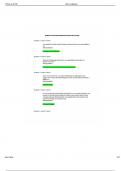
1. Question:
A 45-year-old woman has been taking oral omeprazole (Prilosec) 40 mg twice daily for
the treatment of gastroesophageal reflux. To discontinue the medication the nurse
practitioner would:
advise the patient to stop the medication.
reduce the dose by 50% every other day.
reduce the dose by 50% weekly. Correct
reduce dose by 50% every month.
Explanation:
For patients on a moderate to high dose of a PPI (e.g., omeprazole (Prilosec) 40 mg daily
or twice daily), reduce the dose by 50% every week until the patient is on the lowest
dose of the medication. For patients on twice daily dosing, the initial reduction can be
accomplished by decreasing the dosing to once in the morning before breakfast. Once
the patient has completed a week at the lowest dose, the medication can be
discontinued.
2. Question:
Patients receiving long-term proton pump inhibitors (PPIs) are at increased risk for
fractures and:
lower extremity edema.
extraesophageal symptoms.
myocardial infarction. Correct
muscle spasms.
Explanation:
Analysis of patients taking PPIs for long periods of time showed an increased risk of
myocardial infarctions. This is thought to be related to reduced nitric oxide in the blood
vessel walls. The FDA suggests that providers consider periodically obtaining
magnesium levels in patients while they are on a PPI. Increased risk of myocardial
infarction has not been associated with histamine receptor blockers.
3. Question:
Ondansetron (Zofran) dosage should be adjusted in patients:
with renal insufficiency.
who are pregnant.
who are > 65 years old.
, with hepatic impairment. Correct
Explanation:
Ondansetron (Zofran) is a 5-HT3 receptor antagonist used for the treatment of nausea
and vomiting. Dose limitations are recommended for patients with severe hepatic
impairment (Child-Pugh class C); use with caution in mild-moderate hepatic
impairment; clearance is decreased and half-life increased in hepatic impairment. No
dosage adjustment is recommended with renal insufficiency, pregnancy or in advanced
age.
4. Question:
The antiemetic that does NOT have potential to cause QT prolongation is:
promethazine (Phenergan). Correct
chlorpromazine (Thorazine).
ondansetron (Zofran).
prochlorperazine (Compazine).
Explanation:
Antihistamines such as promethazine and diphenhydramine do not cause QT
prolongation. Dopamine and serotonin antagonists are both associated with QT
prolongation. Chlorpromazine (Thorazine) and prochlorperazine (Compazine) are
dopamine antagonists. Ondansetron (Zofran) is a serotonin antagonist. If a patient has
suspected QT interval prolongation or is taking other medications with which the QT
interval prolongation could be additive, a 12-lead EKG is recommended before
treatment is initiated.
5. Question:
Promethazine (Phenergan), a 1st generation antihistamine, is contraindicated in the
presence of:
motion sickness.
sedation.
asthma. Correct
, seasonal allergic rhinitis.
Explanation:
Promethazine (Phenergan) is contraindicated in patients with hypersensitivity reaction
to promethazine, other phenothiazines, or any component of the formulation; coma;
lower respiratory tract symptoms, including asthma; children younger than 2 years of
age; intra-arterial or subcutaneous administration.
6. Question:
Oral metoclopramide is contraindicated in the patient diagnosed with:
migraines.
epilepsy. Correct
diabetes.
renal impairment.
Explanation:
Metoclopramide (Reglan) is contraindicated in situations when gastrointestinal (GI)
motility may be dangerous, including mechanical GI obstruction, perforation, or
hemorrhage; pheochromocytoma; history of seizure disorder (e.g., epilepsy); and
concomitant use with other agents likely to increase extrapyramidal reactions. Caution
is advised in patients with renal impairment; dosage adjustment may be needed.
7. Question:
Hyperosmotic agents and saline laxatives should be avoided or used with caution in
patients who have:
chronic constipation.
liver disease.
heart failure. Correct
hypothyroidism.
Explanation:
, Hyperosmotic agents and saline laxatives may seriously alter fluid and electrolyte
balance. This increases the risk for dehydration and electrolyte disturbances, especially
hypokalemia. Therefore, the risks versus the benefits should be considered prior to use
in patients with heart failure.
8. Question:
Corticosteroids, used in the treatment of ulcerative colitis, usually do NOT:
increase the rate of infection.
reduce the effectiveness of vaccines.
increase the effectiveness of antibiotics. Correct
increase the risk of developing osteoporosis.
Explanation:
Corticosteroids usually do NOT increase the effectiveness of antibiotics; they reduce
their effectiveness. Because they suppress the immune system, they increase the rate of
infection, reduce the effectiveness of vaccines and increase the risk of osteoporosis and
fractures due to loss of calcium with corticosteroids.
9. Question:
The plasma elimination half-life of esomeprazole (Nexium) is:
1-1.5 hours. Correct
2-3 hours.
3.5-5 hours.
6-8 hours.
Explanation:
The plasma elimination half-life of esomeprazole (Nexium) is approximately 1 to 1.5
hours. Less than 1% of the parent drug is excreted in the urine. Approximately 80% of
an oral dose of esomeprazole is excreted as inactive metabolites in the urine, and the
remainder is found as inactive metabolites in the feces.
10. Question:
1. Question:
A 45-year-old woman has been taking oral omeprazole (Prilosec) 40 mg twice daily for
the treatment of gastroesophageal reflux. To discontinue the medication the nurse
practitioner would:
advise the patient to stop the medication.
reduce the dose by 50% every other day.
reduce the dose by 50% weekly. Correct
reduce dose by 50% every month.
Explanation:
For patients on a moderate to high dose of a PPI (e.g., omeprazole (Prilosec) 40 mg daily
or twice daily), reduce the dose by 50% every week until the patient is on the lowest
dose of the medication. For patients on twice daily dosing, the initial reduction can be
accomplished by decreasing the dosing to once in the morning before breakfast. Once
the patient has completed a week at the lowest dose, the medication can be
discontinued.
2. Question:
Patients receiving long-term proton pump inhibitors (PPIs) are at increased risk for
fractures and:
lower extremity edema.
extraesophageal symptoms.
myocardial infarction. Correct
muscle spasms.
Explanation:
Analysis of patients taking PPIs for long periods of time showed an increased risk of
myocardial infarctions. This is thought to be related to reduced nitric oxide in the blood
vessel walls. The FDA suggests that providers consider periodically obtaining
magnesium levels in patients while they are on a PPI. Increased risk of myocardial
infarction has not been associated with histamine receptor blockers.
3. Question:
Ondansetron (Zofran) dosage should be adjusted in patients:
with renal insufficiency.
who are pregnant.
who are > 65 years old.
, with hepatic impairment. Correct
Explanation:
Ondansetron (Zofran) is a 5-HT3 receptor antagonist used for the treatment of nausea
and vomiting. Dose limitations are recommended for patients with severe hepatic
impairment (Child-Pugh class C); use with caution in mild-moderate hepatic
impairment; clearance is decreased and half-life increased in hepatic impairment. No
dosage adjustment is recommended with renal insufficiency, pregnancy or in advanced
age.
4. Question:
The antiemetic that does NOT have potential to cause QT prolongation is:
promethazine (Phenergan). Correct
chlorpromazine (Thorazine).
ondansetron (Zofran).
prochlorperazine (Compazine).
Explanation:
Antihistamines such as promethazine and diphenhydramine do not cause QT
prolongation. Dopamine and serotonin antagonists are both associated with QT
prolongation. Chlorpromazine (Thorazine) and prochlorperazine (Compazine) are
dopamine antagonists. Ondansetron (Zofran) is a serotonin antagonist. If a patient has
suspected QT interval prolongation or is taking other medications with which the QT
interval prolongation could be additive, a 12-lead EKG is recommended before
treatment is initiated.
5. Question:
Promethazine (Phenergan), a 1st generation antihistamine, is contraindicated in the
presence of:
motion sickness.
sedation.
asthma. Correct
, seasonal allergic rhinitis.
Explanation:
Promethazine (Phenergan) is contraindicated in patients with hypersensitivity reaction
to promethazine, other phenothiazines, or any component of the formulation; coma;
lower respiratory tract symptoms, including asthma; children younger than 2 years of
age; intra-arterial or subcutaneous administration.
6. Question:
Oral metoclopramide is contraindicated in the patient diagnosed with:
migraines.
epilepsy. Correct
diabetes.
renal impairment.
Explanation:
Metoclopramide (Reglan) is contraindicated in situations when gastrointestinal (GI)
motility may be dangerous, including mechanical GI obstruction, perforation, or
hemorrhage; pheochromocytoma; history of seizure disorder (e.g., epilepsy); and
concomitant use with other agents likely to increase extrapyramidal reactions. Caution
is advised in patients with renal impairment; dosage adjustment may be needed.
7. Question:
Hyperosmotic agents and saline laxatives should be avoided or used with caution in
patients who have:
chronic constipation.
liver disease.
heart failure. Correct
hypothyroidism.
Explanation:
, Hyperosmotic agents and saline laxatives may seriously alter fluid and electrolyte
balance. This increases the risk for dehydration and electrolyte disturbances, especially
hypokalemia. Therefore, the risks versus the benefits should be considered prior to use
in patients with heart failure.
8. Question:
Corticosteroids, used in the treatment of ulcerative colitis, usually do NOT:
increase the rate of infection.
reduce the effectiveness of vaccines.
increase the effectiveness of antibiotics. Correct
increase the risk of developing osteoporosis.
Explanation:
Corticosteroids usually do NOT increase the effectiveness of antibiotics; they reduce
their effectiveness. Because they suppress the immune system, they increase the rate of
infection, reduce the effectiveness of vaccines and increase the risk of osteoporosis and
fractures due to loss of calcium with corticosteroids.
9. Question:
The plasma elimination half-life of esomeprazole (Nexium) is:
1-1.5 hours. Correct
2-3 hours.
3.5-5 hours.
6-8 hours.
Explanation:
The plasma elimination half-life of esomeprazole (Nexium) is approximately 1 to 1.5
hours. Less than 1% of the parent drug is excreted in the urine. Approximately 80% of
an oral dose of esomeprazole is excreted as inactive metabolites in the urine, and the
remainder is found as inactive metabolites in the feces.
10. Question: