Health Science II Human Growth and Development |71 questions with verified solutions.
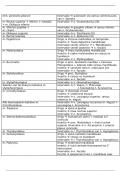
measurable physical changes that occur throughout a person's life growth changes in intellectual, mental and emotional skills that occur over time development infancy birth to 1 year early childhood 1-6 years late childhood 6-12 years adolescence 12-18 years early adulthood 19-40 years middle adulthood 40-65 years late adulthood 65 years and older body growth that includes height and weight changes physical intellectual development and problem soving mental feelings and dealing with love, hate, joy, fear or excitement emotional interactions and relationships with others social a psychoanalyst who identified 8 stages of psychosocial development. He believes that as people move through the stages, they overcome a conflict Erik Erikson infancy physical development - the most dramatic and rapid changes occur during the first year of life - typically weigh 6 lb and weigh 18-22 inches infancy mental development - infants make their needs known by crying - they cannot speak, but are able to understand some words by 6 months - by 1 year they understand many words and use single words in their vocabulary infancy emotional development - infants show excitement early - by 4-6 months they can display distress, delight, and anger - emotions during the 1st year can have a strong influence on development infancy social development - gradually progress to self-concept to recognition of others - by age 4 months they recognize caregivers and siblings - by 6 months they can become possessive -by 12 months they may shy away from strangers but socialize freely with familiar people - they can mimic gestures, expressions, and vocal sounds infancy basic conflict trust vs mistrust infancy major life event feeding early childhood physical development - by age 6 the average weight is 45 lbs and average height is 46 inches - muscle coordination allows the child to run, climb, and move freely - children learn how to write, draw and use a fork and knife - by 2-4 years most children learn bowel and bladder control early childhood mental development - develop rapidly - vocabulary grows from using several words at age 1 to 1500 to 2500 words by age 6 - most children want to learn how to read and write early childhood emotional development - "terrible twos" is used for children becoming frustrated when they cannot perform as desired - they can become stubborn early childhood social development - require food, rest, shelter, love and security - they must learn to be responsible and to follow rules - children should have reasonable demands based on their ability early childhood basic conflict autonomy vs shame for age 1-3 initiative vs guilt for age 3-6 early childhood major life event toilet training (1-3) INDEPENDENCE (3-6) late childhood physical development - known as preadolescence - most baby teeth are lost and permanent teeth erupt - during ages 10-12 secondary sexual characteristics may begin to develop late childhood mental development mental development is rapid because children are in school late childhood emotional development - fears surrounding starting school are brought under control - by age 10-12 sexual maturation and body changes can lead to periods of depression followed by periods of joy late childhood social devlopment peer acceptance is important late childhood basic conflict industry vs inferiority late childhood major life event school adolescence physical devlopment - most dramatic in early stage - growth spurts occur than can affect coordination - puberty occurs where secondary sexual characteristics and sexual organs mature adolescence mental devlopment - growth involves increase in knowledge and sharpening skills - conflict occurs when adolescents are treated both as children and adults or told to "grow up" while reminded that they are still children adolescence emotional development - often stormy and in conflict - trying to establish independence and identities adolescence social development - spending more time with friends than family is important - seek security in groups of people their own age adolescence basic conflict identity vs role confusion adolescence major life event peer relations early adulthood physical development - usually the most productive life stage - physical development is basically complete - this is the prime time for child bearing early adulthood mental development - formal education continues - young adults my choose to marry and start families early adulthood emotional development - may experience stress related to careers, marriage, and family early adulthood social development - frequently involves moving away from peers to association with coworkers and mates - young adults do not necessarily accept traditional sex roles and adopt nontraditional roles early adulthood basic conflict intimacy vs isolation early adulthood major life event love relationships middle adulthood physical development - changes begin to occur - hair begins to gray and thin - skin begins to wrinkle, hearing loss starts, vision declines and weight gain occurs middle adulthood mental devlopment - mental ability can continue to increase - this is the period when individuals understand life and have learned to cope with many of its stresses middle adulthood emotional development - can be a period of contentment or crisis - emotional status varied depending on life changes revolving around children growing up and leaving home, job satisfaction, financial success and good health middle adulthood social development - social adjustment can occur - retirement can lead to a loss of self-esteem especially if word is associated with identity - some limit their social relationships and death of a spouse and friends moving can effect relationships - senior centers and churches help provide the opportunity for new social roles middle adulthood basic conflict generativity vs stagnation middle adulthood major life event parenting late adult physical development - on the decline - all body system are affected - skin becomes more likely to break - muscle loses tone, nervous system can cause intolerance to temperature changes late adulthood mental development - mental abilities vary - some elderly continue to learn others have mental declines that can affect short term memory late adulthood emotional development - varies depending on the individual's ability to cope - some remain happy and enjoy life, while others may become lonely, frustrated, depressed and withdrawn late adulthood social development -the elderly need a sense of belonging, self-esteem, financial security, social acceptance and love late adulthood basic conflict ego integrity vs despair late adulthood major life event reflection on the acceptance of life maslow hierarchy of needs - physiological needs - safety needs - love and belonging - esteem needs - self actualization needs
Written for
- Institution
-
Cambridge College
- Course
-
Human Growth and Development
Document information
- Uploaded on
- October 5, 2023
- Number of pages
- 9
- Written in
- 2023/2024
- Type
- Exam (elaborations)
- Contains
- Questions & answers
Subjects
-
health science ii human growth and development