Political Science 144
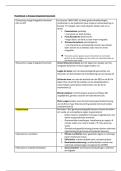
Chapter 6: Theories of International Relations: Realism
Theories: simplified, explain change and motivation
- Can be criticised
- Emphasises some terms, criticises others
Origin of Realism
- Theory emerged from aftermath of WW1
- Focused on understanding of the cause of the war to find a remedy for its existence
- Criticised Idealists as they ignored the role of power, overestimated the degree to which
nation states shared a set of common interests and were overly optimistic that
humankind could overcome the scourge of war
- Outbreak of WW2 confirmed the inadequacies of the idealist approach when studying
international politics
- Realism replaced discredited idealist approach
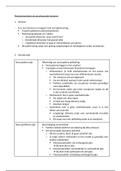
REALISM
- Emphasis on state, self-help
- Focus on interests rather than an ideology, to seek peace through strength and to
recognised that great powers can coexist even if they have antithetical values and beliefs
- Realism offers a ‘manual’ for maximising interests of a state in a hostile environment
thus remains the dominant tradition in study of world politics
- Thucydides, Machiavelli, Thomas Hobbes & Jean Jacques Rousseau ancient realism
political theorists
- Elements statism (the legitimate representative of the collective will of the people),
self-help and survival
- Criticised for not emphasising role of multinational corporations
- Realism shares with conservatism (ideological godfather)
- Been dominant theory since beginning of academic International Relations
Friedrich Meinecke historian
- ‘raison d’état’ (reason of state) is the fundamental principle of international conduct
- state is identified as key actor in international politics
- must pursue power
- duty of statesperson to rationally calculate most appropriate steps to take as to
perpetuate the life of the state in a hostile and threatening environment
- survival of state not guaranteed
- Essential core of realism assumption that state is key actor, coupled with the view that
the environment that states inhabit is a perilous place
- Issue: role of moral and ethics occupying international politics
1
Chapter 6: Theories of International Relations: Realism
Theories: simplified, explain change and motivation
- Can be criticised
- Emphasises some terms, criticises others
Origin of Realism
- Theory emerged from aftermath of WW1
- Focused on understanding of the cause of the war to find a remedy for its existence
- Criticised Idealists as they ignored the role of power, overestimated the degree to which
nation states shared a set of common interests and were overly optimistic that
humankind could overcome the scourge of war
- Outbreak of WW2 confirmed the inadequacies of the idealist approach when studying
international politics
- Realism replaced discredited idealist approach
REALISM
- Emphasis on state, self-help
- Focus on interests rather than an ideology, to seek peace through strength and to
recognised that great powers can coexist even if they have antithetical values and beliefs
- Realism offers a ‘manual’ for maximising interests of a state in a hostile environment
thus remains the dominant tradition in study of world politics
- Thucydides, Machiavelli, Thomas Hobbes & Jean Jacques Rousseau ancient realism
political theorists
- Elements statism (the legitimate representative of the collective will of the people),
self-help and survival
- Criticised for not emphasising role of multinational corporations
- Realism shares with conservatism (ideological godfather)
- Been dominant theory since beginning of academic International Relations
Friedrich Meinecke historian
- ‘raison d’état’ (reason of state) is the fundamental principle of international conduct
- state is identified as key actor in international politics
- must pursue power
- duty of statesperson to rationally calculate most appropriate steps to take as to
perpetuate the life of the state in a hostile and threatening environment
- survival of state not guaranteed
- Essential core of realism assumption that state is key actor, coupled with the view that
the environment that states inhabit is a perilous place
- Issue: role of moral and ethics occupying international politics
1