CMSRN 3 questions with 100% correct answers 2023
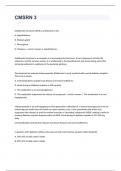
CMSRN 3Antidiuretic hormone (ADH) is synthesized in the: A. Hypothalamus B. Pituitary gland C. Pineal gland D. Thalamus - correct answer A. Hypothalamus Antidiuretic hormone is an example of a neuroendocrine hormone; it has components of both the endocrine and the nervous system. It is synthesized in the hypothalamus and travels along axons that terminate adjacent to capillaries in the posterior pituitary. The physician has ordered chlorpropamide (Diabinese) to treat a patient with central diabetes insipidus. The nurse is aware: A. Contraindications include heart disease and renal insufficiency B. Usual dosing in diabetes insipidus is 100 mg daily C. This medication is an oral hypoglycemic D. This medication suppresses the release of vasopressin - correct answer C. This medication is an oral hypoglycemic Chlorpropamide is an oral hypoglycemic (first generation sulfonylurea). It lowers blood glucose levels by enhancing pancreatic beta-cell insulin secretion (primary use). It also potentiates the action (not suppresses the release) of small or residual amounts of circulating vasopressin (ADH), making it useful in treating diabetes insipidus (hyposecretion of ADH). Usual dosing in diabetes insipidus is 125-500 mg daily. Contraindications include liver disease (not heart disease) and renal insufficiency. In patients with diabetes mellitus who have normal renal function, protein intake should be: A. 30%-35% of daily caloric intake B. 20%-25% of daily caloric intake
Written for
- Institution
- CMSRN
- Course
- CMSRN
Document information
- Uploaded on
- September 18, 2023
- Number of pages
- 9
- Written in
- 2023/2024
- Type
- Exam (elaborations)
- Contains
- Questions & answers
Subjects

Also available in package deal